The Trump administration has achieved its goal in Venezuela, securing partial control over 17 oil fields with proven reserves of upwards of 65 billion barrels, a staggering amount that would more than double its current reserves. The deal is the culmination of a months-long campaign against the country’s former leader, Nicolás Maduro, who was accused of drug trafficking, sanctioned, threatened, and eventually kidnapped by the U.S. military. The remnants of the Chavista state, including Interim President Delcy Rodríguez, remain under the threat of further U.S. action and appear to have chosen to play along, dismantling what remained of what once was the region’s most exciting revolutionary project.
To manage its bounty, the Trump administration is entering into a partnership with North American Blue Energy Partners (NABEP), Venezuela’s second-largest operator, headed by the oil tycoon Alejandro Betancourt. The U.S. also retains veto power over the board members of the joint enterprise, is guaranteed 20 percent of any oil produced at production cost, and has been offered the right of first refusal to purchase the remaining 80 percent of output.
There is much about the deal that is unusual. For one, the Pentagon is directly involved in the transaction through the Office of Strategic Capital, an entity created by President Joe Biden to help invest in defense production that has expanded massively under Trump. The Pentagon was the leading U.S. entity forming the partnership with Betancourt, whose role itself drew the attention of critics, who were quick to note that he had only recently been under investigation in the United States for laundering more than $1 billion of funds stolen from Venezuela’s state-owned oil company, PDVSA.
On Saturday, Rodríguez delivered a brief television address in which she spoke of the deal’s “endless benefits.” She touched on the need to attract foreign investment, claimed the leases were actually 25-year contracts, vowed that the country would soon become an “energy powerhouse,” and promised that her country “retains sovereignty over its resources." This stance was echoed by the official remnants of the Chavista state, including the Socialist Party, which saluted the deal.
Given the centrality of oil nationalism in the country—after its nationalization in the 1970s, these principles were enshrined in the constitution under Chávez and came to form a key pillar of his socialist project—the backlash was swift, leading both the left-wing and far-right opposition to denounce a betrayal of Venezuelan sovereignty. On the left, former high-ranking officials have denounced the deal and scattered street protests have begun. While the right-wing opposition has picked up this line of argument too—critiquing the deal as an unconstitutional landgrab—it is clear that a large part of their indignation has come from not being able to lead the reforms themselves.
These resources are indeed being stolen, though the interim leader has attempted to cast the move as a sovereign decision. From the beginning of its renewed war on Venezuela, the Trump administration has been almost refreshingly candid about the fact that it was motivated entirely by the desire for access to its oil resources, casting aside any pretense of fighting to “defend democracy.” Indeed, the country’s entire oil industry is basically in U.S. control at the moment, with revenue deposited directly in the U.S. treasury. Nevertheless, in the wake of the deal’s announcement, much of the mainstream U.S. media stuck to its long-running script, critiquing the Trump administration for having reached the deal without demanding a “democratic transition,” rather than the fact that it was stealing resources from a sovereign nation.
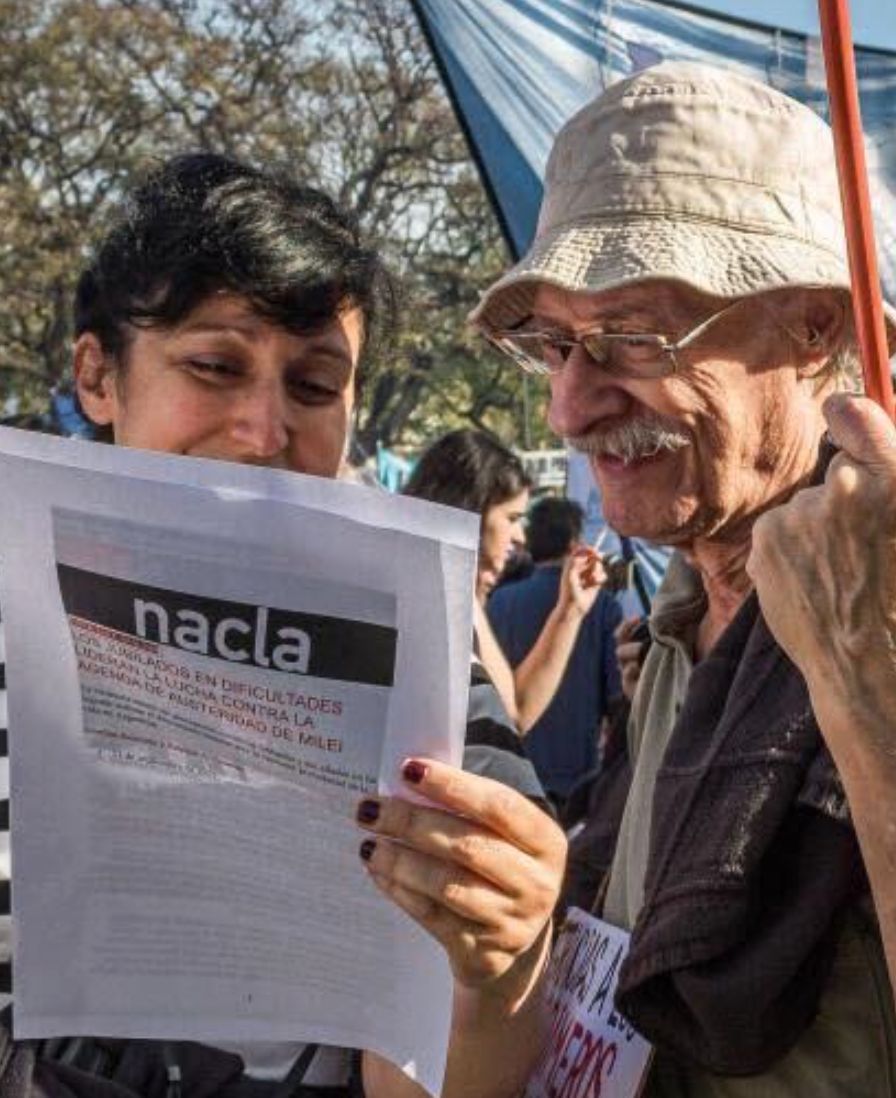
Thank you to all who took the time to share your feedback in our Audience Survey! The NACLA team has already been brainstorming ways to apply what we’ve learned:
You trust us, for deep, critical investigation into the issues you care about in the region that is nearest and dearest to you.
Most respondents have been reading NACLA for over 15 years, and many since the start, nearly 60 years.
Our readers want more content en español, more explainers and issue overviews, and video.
Many readers are willing to make small monthly contributions to keep NACLA alive.
Working with journalists, activists, and experts to provide you with the coverage you depend on is made possible by a tiny dedicated team of editors. NACLA is operating on a budget that’s tighter than ever after cuts to funding this year. Will you support NACLA with a monthly donation today?
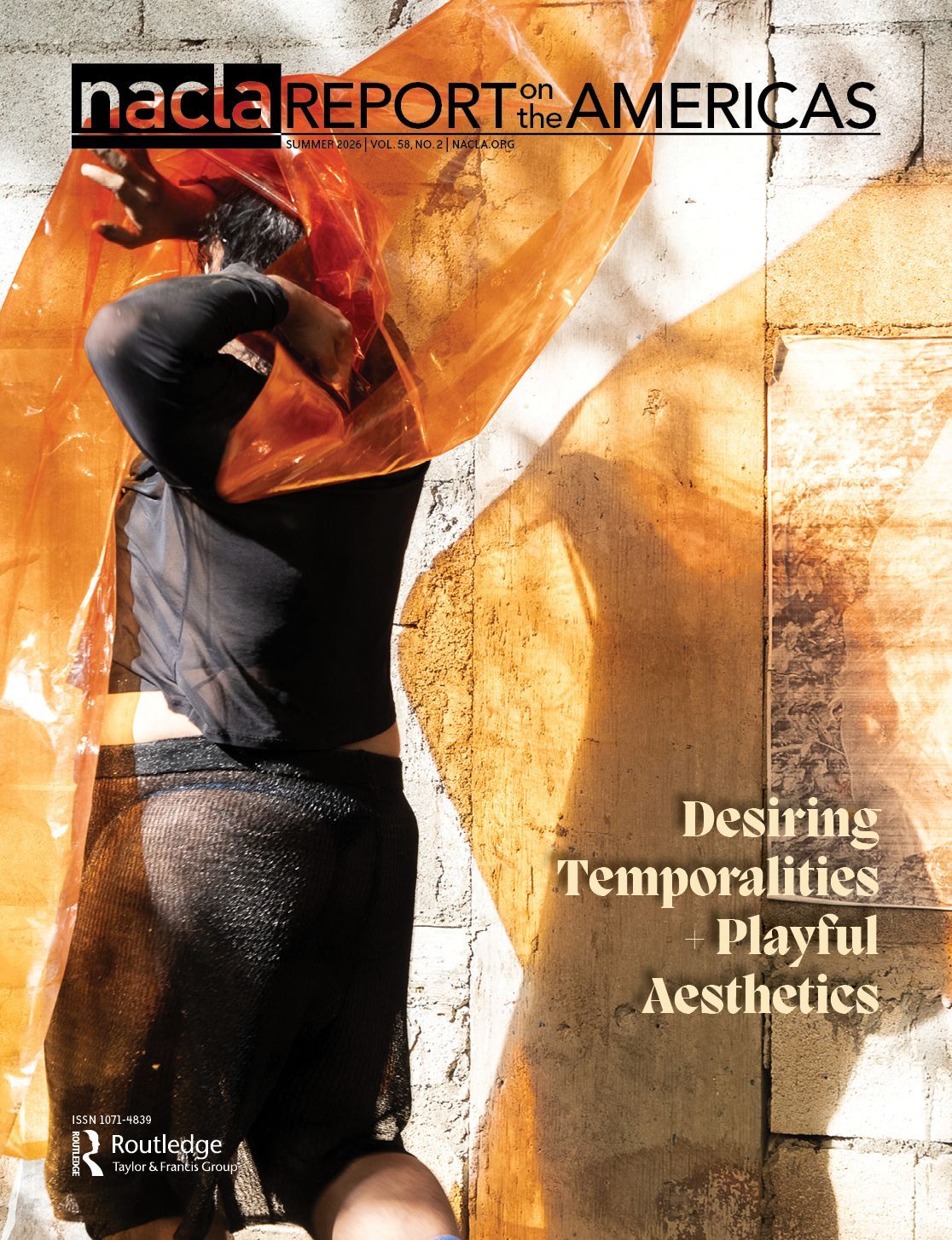
The Summer 2026 issue of the NACLA Report explores artistic and research practices that activate memory, engage the archive, and expand the possibilities of collective life amid ongoing forms of dispossession, militarization, and war. From Puerto Rico and Palestine to Colombia, Ecuador, Mexico, and the diaspora, contributors examine how artists, writers, performers, and organizers are creating new ways of inhabiting history, preserving memory, and imagining futures that exceed the limits imposed by colonialism, racial capitalism, and state violence.
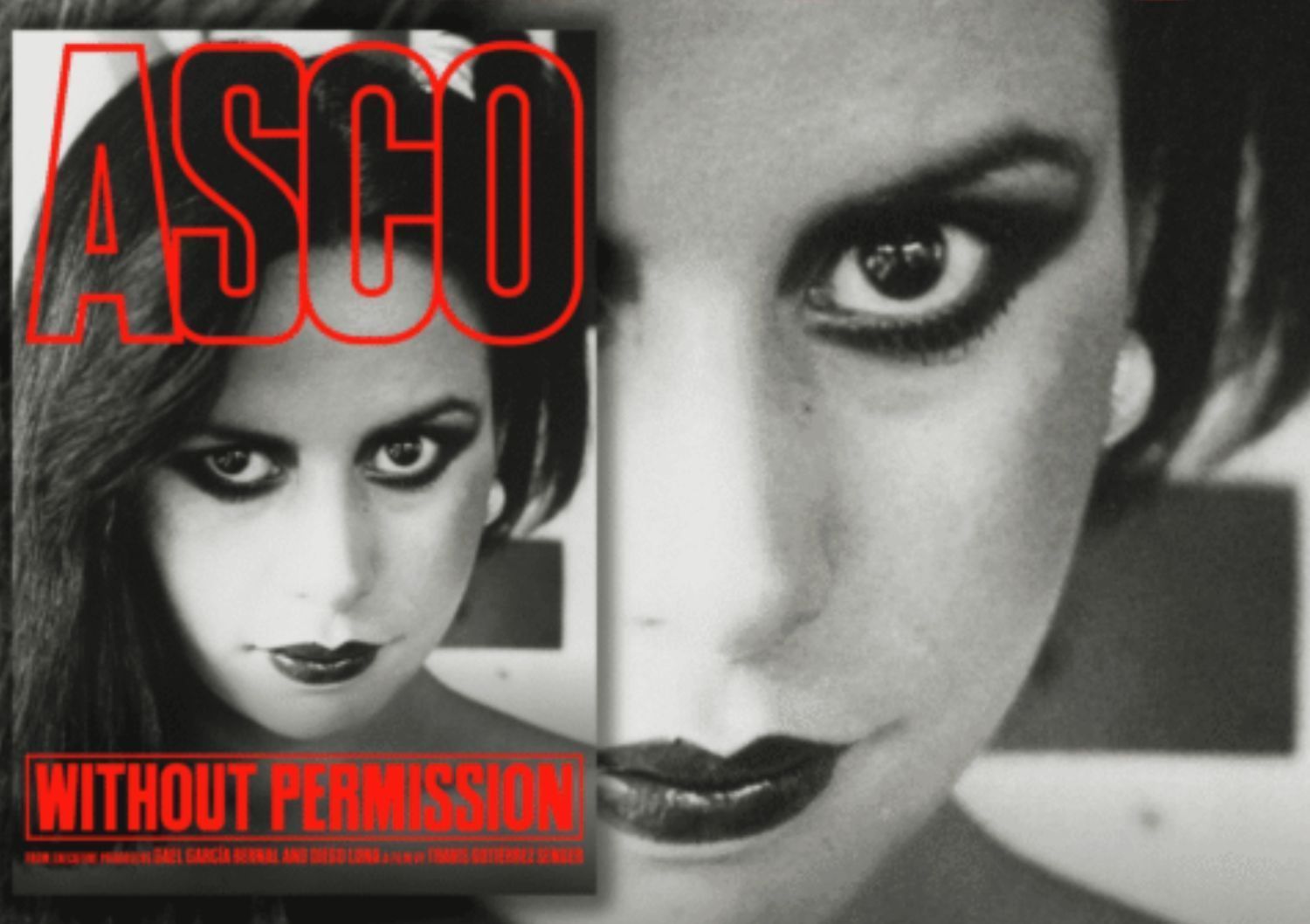
Mexican American filmmaker Travis Gutiérrez Senger follows the evolution of the Los Angeles-based art collective Asco, and their lasting impact on Chicano art.
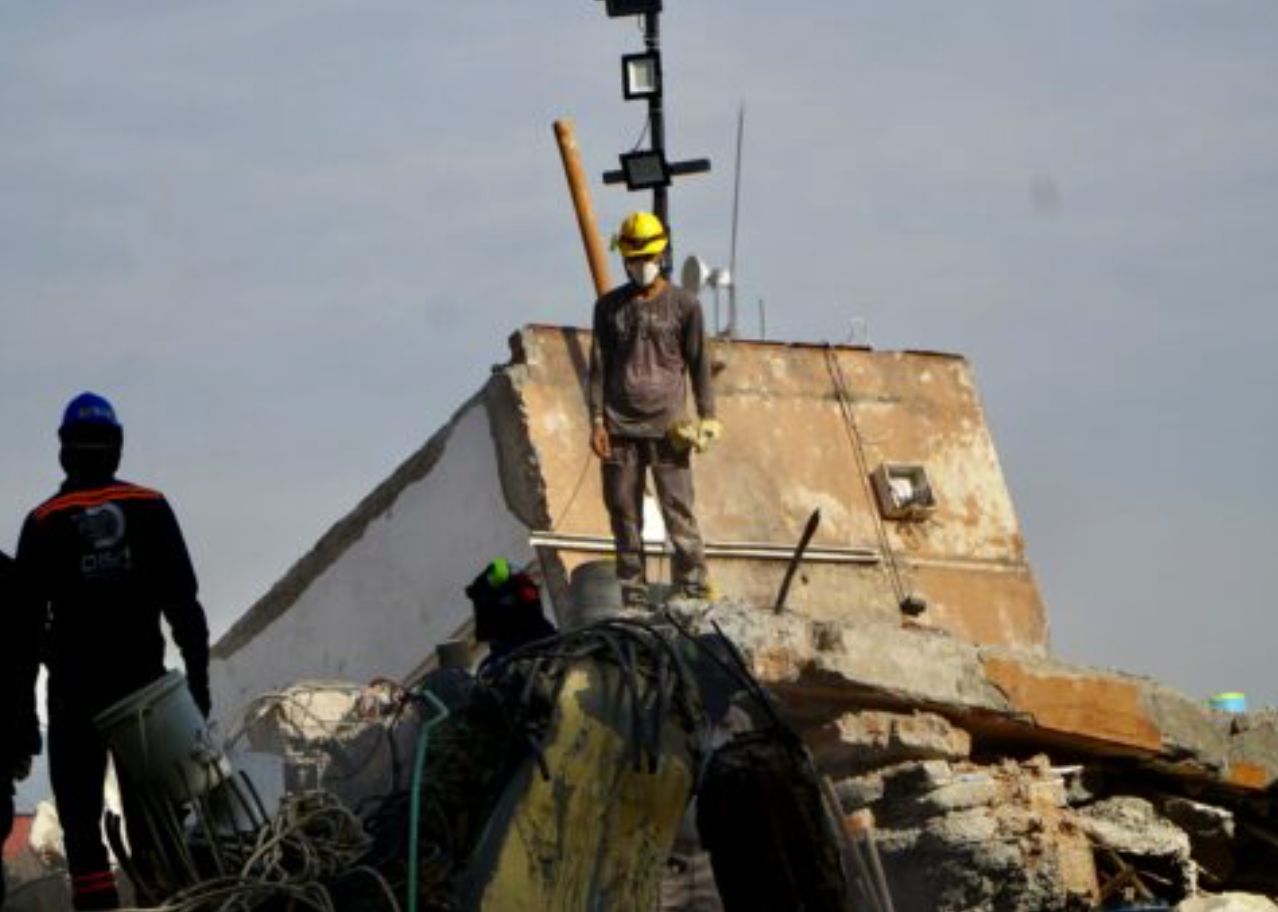
In the aftermath of a massive earthquake, local communities in the city of Cali have taken on a large share of the rescue efforts, driven by solidarity.
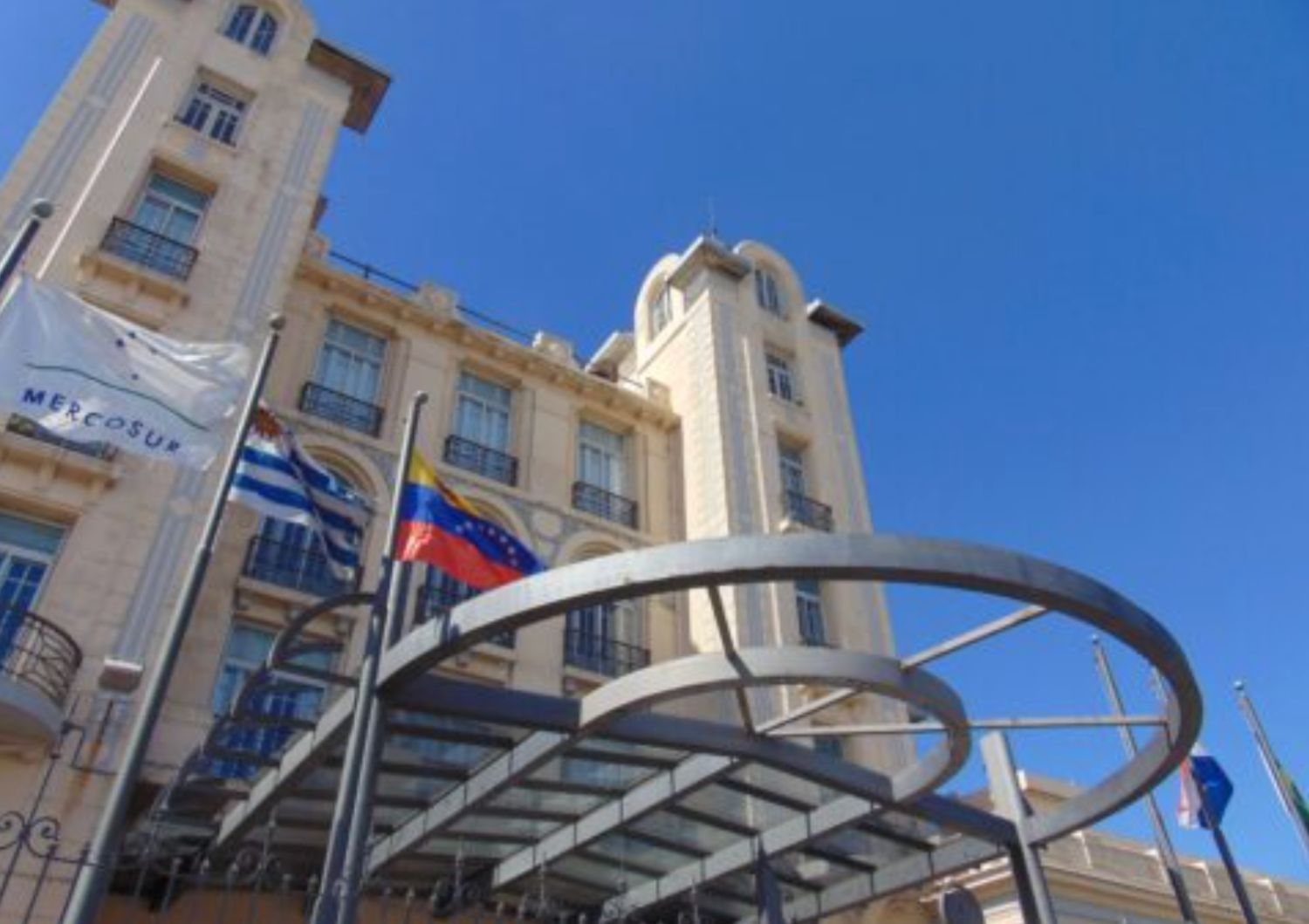
As the Americas shift to the right, the region’s progressive forces met in Uruguay to chart a path forward.
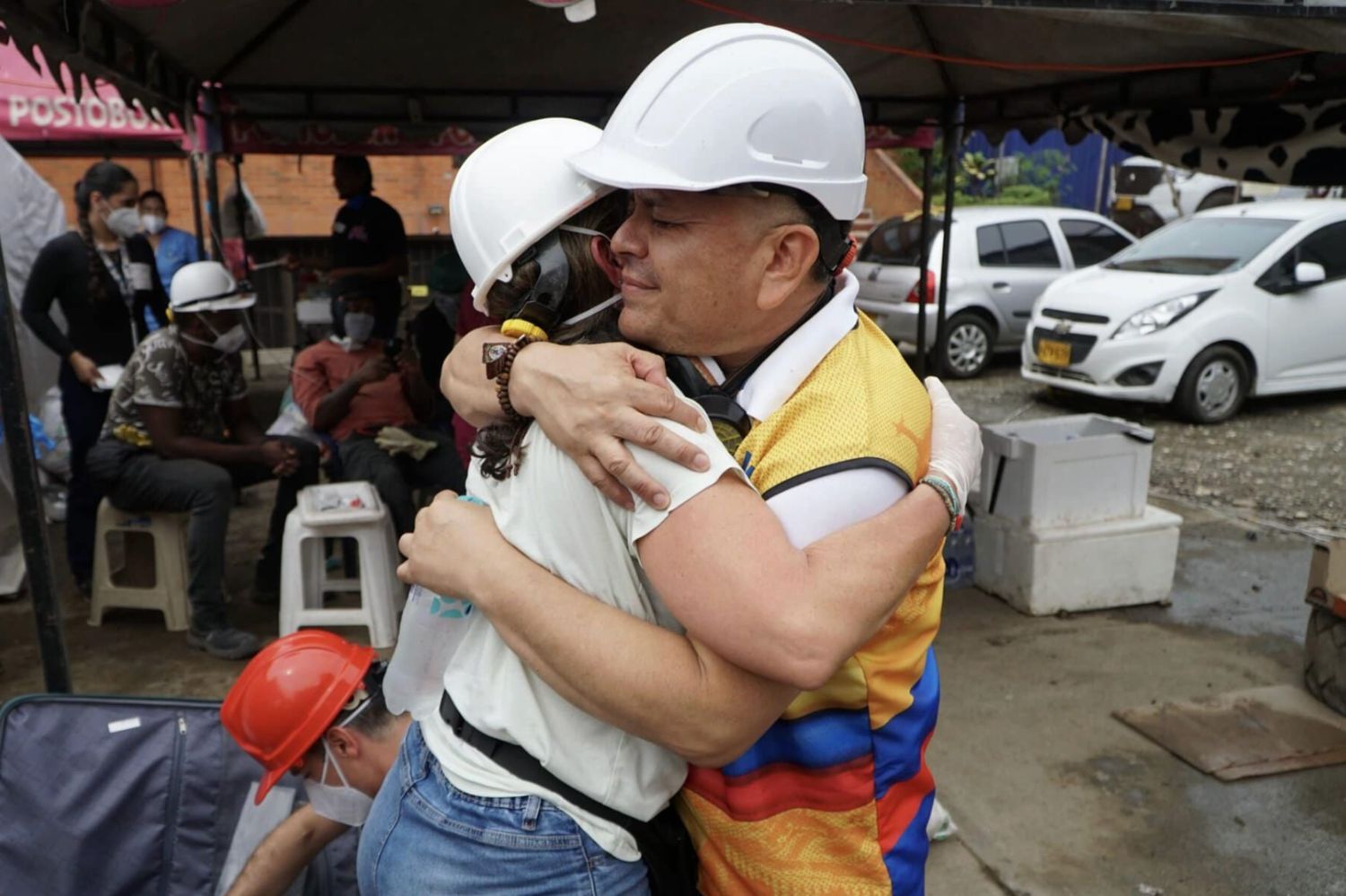
IMAGE OF THE WEEK
A comforting embrace for Juliana, who lost her father in the earthquake. Read more about the reconstruction efforts in the Colombian city of Cali in in an article written this week for NACLA by Tony Zhou (Kirby). (Photo Credit: Tony Zhou)
AROUND THE REGION
CHARGES DROPPED AGAINST “JOH” IN HONDURAS—On Tuesday, a court in Honduras dropped fraud and money laundering charges against former President Juan Orlando Hernández. The ruling marked the latest in a string of stunning legal victories for Hernández, who led the country from 2014 to 2022 before being extradited to the United States and convicted on drug trafficking charges. In the lead-up to the country’s presidential elections in November 2025, Trump pardoned Hernández as part of a direct ploy to interfere with the elections, a vote that culminated in the ascension to power of Nasry Asfura, an ally of Hernández. After he was freed from U.S custody and his arrest warrant was suspended, Hernández returned to Honduras in July to face corruption charges stemming from his first presidential campaign. The judge ruled that JOH had not increased his assets nor laundered any money. Hernández was greeted by large crowds in the capital, who cheered the ruling, though many others protested; he claimed that his "political persecution” had finally come to an end.
NICARAGUAN ELECTORAL REFORMS—A controversial constitutional reform proposed by Nicaragua’s co-presidents, Daniel Ortega and Rosario Murillo, passed the country’s Congress on Tuesday, setting it on the path to become law. The reform seeks to ban opposition parties from participating in elections and extends the presidential term to seven years. Constitutional amendments must be approved in two separate legislative votes, a hurdle the proposal is expected to easily clear in mid-January. Ortega announced changes to the country’s electoral system a month ago during a speech commemorating the 47th anniversary of the triumph of the Sandinista revolutionaries, though it appears that his words were taken out of context and spun to suggest that he was cancelling elections writ large. Even still, the ban on opposition figures takes the country further into authoritarian territory as the definition of “traitors to the homeland” can be murky. Critics of the government also risk being “linked to foreign coup attempts and foreign financing,” new grounds for disqualifying political parties that have been weaponized against NGOs and religious organizations in recent years. The risk of foreign interference is real in Nicaragua, as is the concern with coup-plotting opposition parties; nevertheless, the authoritarian slide in the country is worrying, a reality denounced even by progressive leaders in the region.
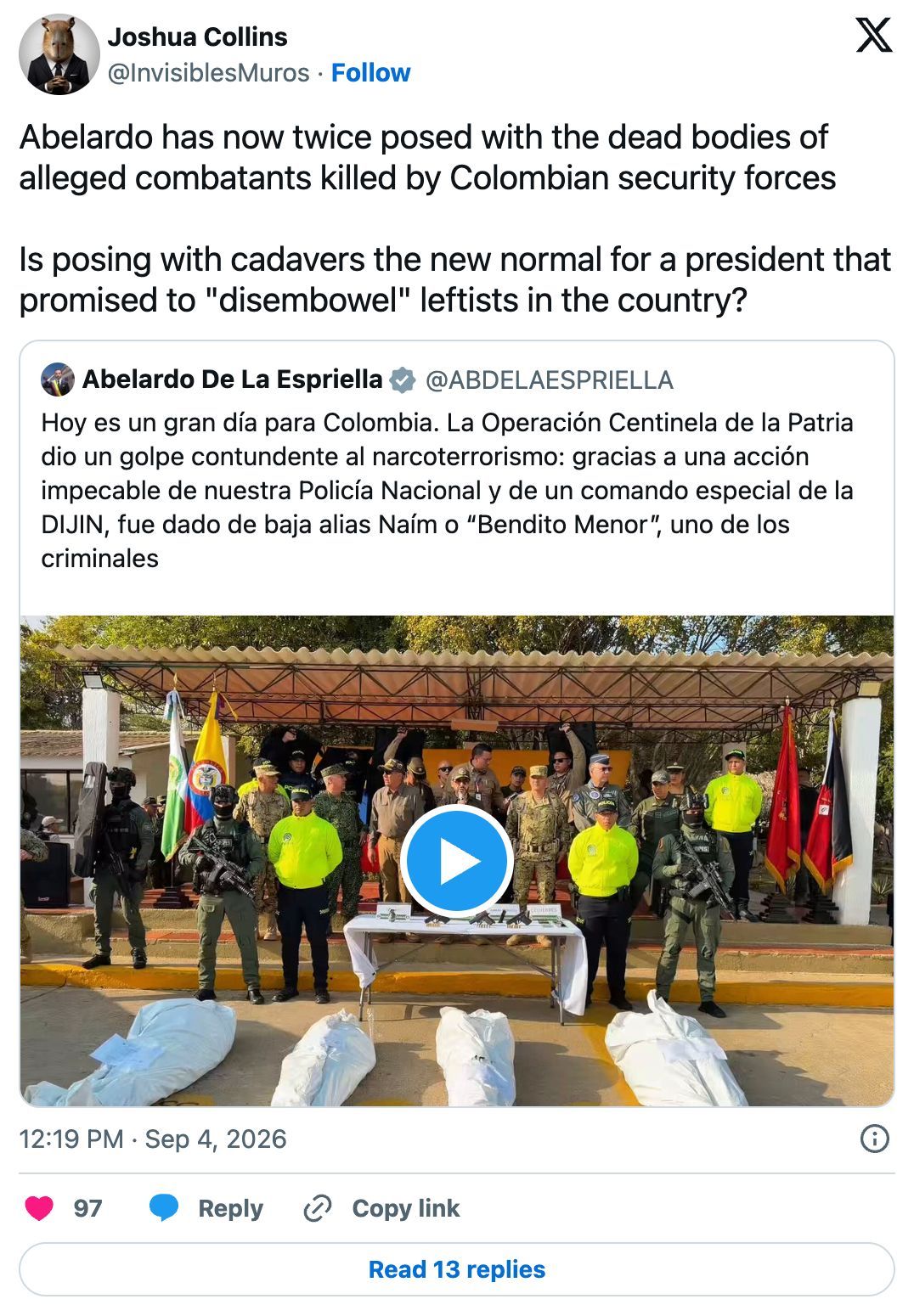
COLOMBIA-US MILITARY TIES—The Trump administration is deepening its military ties to Colombia's new government, led by far-right President Abelardo de la Espriella. Last week, head of U.S. Southern Command (SOUTHCOM) Gen. Francis L. Donavan—one of the highest ranking U.S. military officers—visited the country to meet with defense officials. Donavan vowed to help rehabilitate Colombia's air fleet, and travelled to southwestern regions that are havens for drug traffickers and armed and criminal groups. He also crossed into an Ecuadorian border town and attended a meeting between Colombian and Ecuadorian defense officials, who reportedly discussed the creation of a binational military base along the border. The visit came two weeks after de la Espriella’s government announced that it would take part in the “Shield of the Americas,” the U.S.-led anti-narcotics coalition that, alongside drone strikes on fishing boats, has largely failed to stop the flow of drugs. Days after Donavan’s visit, SOUTHCOM announced that it had participated in a Colombian-led, multinational “air-interdiction mission” that resulted in the seizure of 4.5 tons of cocaine and the detention of eight people.
FORO MADRID—On Thursday, Argentine President Javier Milei gave a scathing address during the opening proceedings of the Madrid Forum, an organization of far-right intellectuals, activists, and politicians that are gathering for a two-day conference in Santiago de Chile. Milei cast progressivism as an “existential threat” and spoke fondly of Chile’s time under the dictatorship of Augusto Pinochet. It is no surprise that Chile is hosting the conference. Its current far-right President, José Antonio Kast, was one of the original signatories of the “Madrid Charter” in 2020, which eventually birthed the organization. The date, too, held significance, as the proceedings marked four years since Chileans rejected a new constitution in a vote that came to be known as the “rechazo.” Kast’s appearance at the far-right conference has divided the Chilean right, many of whom fear he will ramp up his inflammatory rhetoric. The conference takes place at a time when the region's right-wing leaders, like Milei, Kast, and Bolivian President Rodrigo Paz, have been damaged by their ties to Fernando Cerimedo, a far-right media strategist who was recently arrested in Bolivia for allegedly hiring hitmen to murder his ex-girlfriend, Nadia Beller. Since surviving the attempt on her life, Beller has provided information on a wide range of corruption scandals that have reverberated across the region.