Luiz Inácio “Lula” da Silva pulled off a stunning upset on Sunday in Brazil’s presidential elections, coming back from a first-round deficit to beat his right-wing opponent, Flávio Bolsonaro. The 81-year-old left-wing incumbent’s victory was historic and monumental; it is no exaggeration to say that Brazilian sovereignty and democracy have been saved. Shortly after, Flávio, who was ordered to turn in his passports as part of investigations into various corruption schemes, fled to the United States and declared himself leader, rejecting the call from the country’s dominant right-wing bloc to lead the opposition.
After a disappointing first-round showing in which he trailed Flávio by more than 2 million votes, Lula and his allies campaigned hard over the course of three weeks and more than made up the difference. Lula ended up winning by nearly 4.5 million votes. The comeback was staggering: Lula gained roughly 10.3 million votes between rounds compared to Flávio’s additional 3.7 million, though Flávio picked up a handful of right-wing endorsements; the incumbent’s campaign overcame significant obstacles, including massive interference from the Trump administration and U.S. tech companies; and the victory defied a regional wave of right-wing victories.
During his victory speech, Lula hammered home the key themes of his campaign, many of which may provide a blueprint for how progressives in the region can confront rising right-wing forces. Throughout his campaign, as Andre Pagliarini noted in his article for NACLA, Lula took the issue of “security” seriously; he often promised “for the worker, we will provide protection; for the criminal, prison,” a line he repeated during his victory speech. He also vowed greater public participation in his government, mostly by focusing on digital communication that will more adequately reach Brazilians on the platforms they use. As a testament to this vision, he thanked André Janones by name, a leftist congressman from a small city in Minas Gerais who played a crucial role in mobilizing voters through a WhatsApp group, called “Lula’s Army,” that eventually reached more than 10 million people. He also denounced that his campaign was forced to overcome interference by the U.S. and its tech companies, vowing further regulation.
His constant focus on big tech’s corrosive influence continues to put Brazil at the frontline of tech regulation, especially regarding misinformation. Lula, as well as the Supreme Court, has spent the last few years railing against the detrimental impact of big tech on democracy, which set him up well to force Meta to change its behavior once it came out that it was actively favoring Bolsonaro’s campaign. Another lesson from the victory was the potency of sovereignty as a mantle to be taken up by the left. Amidst rising U.S. interference, Lula effectively cast himself as a defender of Brazil, frequently calling for a stronger army and railing against U.S. imperialism. In his victory speech, he returned to a refrain that he has been forced to make repeatedly in recent months: “Brazil is nobody’s backyard.”
The Trump administration continued to intervene in the country’s affairs in the wake of the election, most notably by providing Flávio Bolsonaro with safe passage to the United States. Flávio left the country even though he had earlier promised Brazilian authorities that he had no plans to flee once they demanded he turn in his passports in connection to an investigation into his ties to a money laundering scheme. Instead, Flávio—who is also the subject of a separate investigation into his ties to a disgraced banker—disappeared for more than 24 hours. News outlets later reported that he had fled to Argentina by land, taken a plane to Ecuador—reportedly arranged by a White House official—then arrived in the United States on a canceled diplomatic passport. Upon arriving, he thanked the Trump administration, which plans to give him and his family visas; claimed that he was escaping political persecution; and repeated his false claim of election fraud and proclaimed himself the country’s leader. Members of his party have not backed his fraud claim, and Trump has seemingly walked back his previous claim that the election was “rigged.” Leading Brazilian newspapers have accusedFlávio of “coup-mongering.”
(For more on Lula’s win, as well as the rocky road ahead given right-wing control of Congress, read Andre Pagliariani’s article, “Brazil’s Lula Pulls Off A Surprising Win.”)
We’re over halfway through our four-week fundraising campaign and less than halfway to $25,000. We still need to raise $14,000. We’re grateful to everyone who has contributed, shared our appeal, and encouraged others to support our work.
Every gift helps. A contribution of $50, $100, or $250 can make a meaningful difference. If you have the capacity to give more, we are deeply grateful for your support at this critical moment.
PURCHASE THE FALL ISSUE AND CHECK OUT WEB COLLECTION
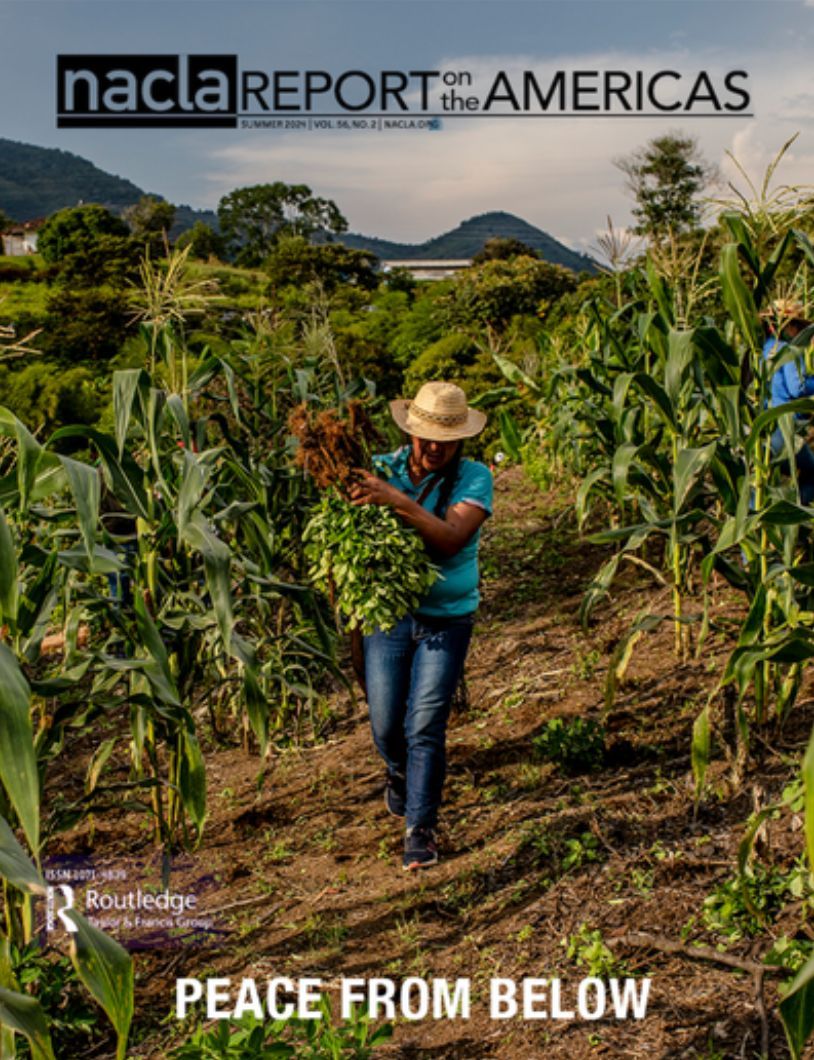
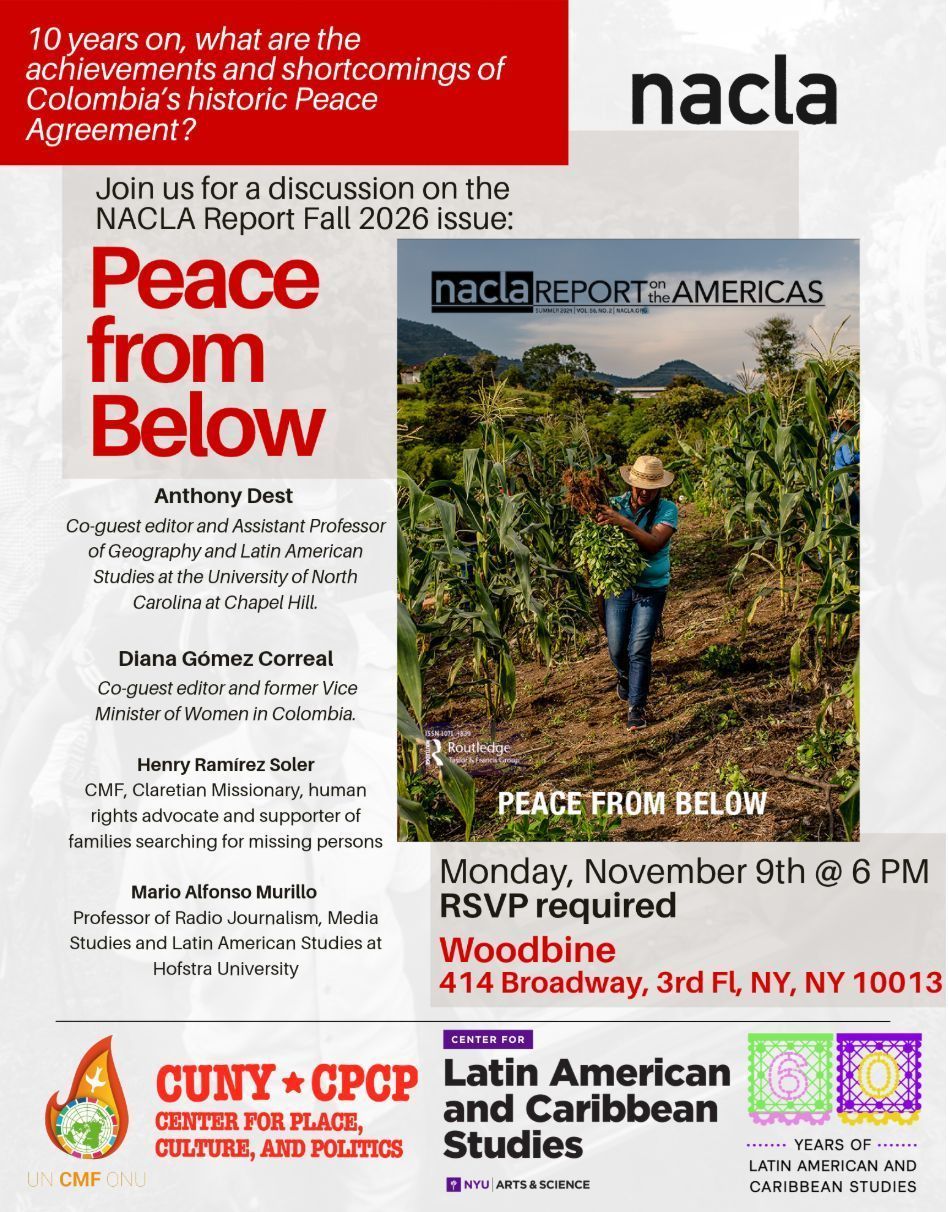
The Fall 2026 issue of the NACLA Report, “Peace from Below,” guest edited by Anthony Dest and Diana Gómez Correal, reflects on the promises, achievements, and shortcomings of Colombia's 2016 Peace Agreement, by foregrounding the people and communities most affected by the armed conflict. Bringing together voices from across Colombia—including Peace Agreement signatories, victims’ organizations, campesinxs, Indigenous and Afro-descendant communities, and women’s and LGBTIQ+ organizations—the issue examines how communities continue to organize amid enduring violence and uncertainty. At a critical political juncture, their experiences illuminate both the limits of institutional peacebuilding and the possibilities of building peace from below.
November 24, 2026, marks 10 years since the Colombian government and the Revolutionary Armed Forces of Colombia–People’s Army (FARC-EP) signed a historic agreement intended to end more than half a century of armed conflict. A decade later, the promise of peace remains unfulfilled.
This issue of the NACLA Report, “Peace from Below,” reflects on the promises, achievements, and shortcomings of the Peace Agreement by foregrounding the people and communities most affected by the armed conflict. Bringing together voices from across Colombia—including Peace Agreement signatories, victims’ organizations, campesinxs, Indigenous and Afro-descendant communities, and women’s and LGBTIQ+ organizations—the issue examines how communities continue to organize amid enduring violence and uncertainty.
Join us for a discussion with guest editors Anthony Dest and Diana Gómez Correal, where we will reflect on a decade since the Peace Agreement and the communities that have helped shape the country’s post-agreement landscape.
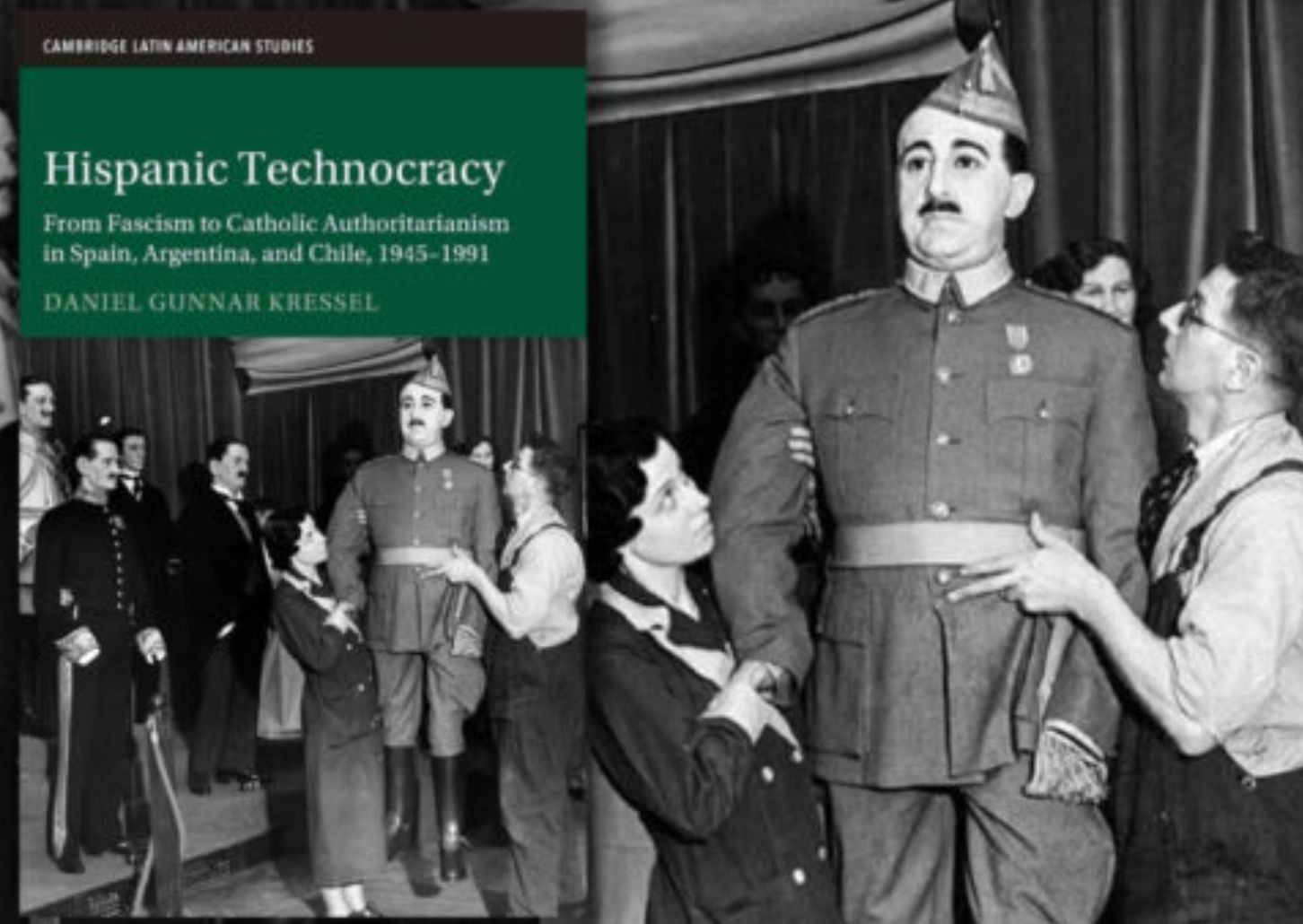
A new history traces how Catholic technocrats in Franco’s Spain, Onganía’s Argentina, and Pinochet’s Chile sold dictatorship as apolitical modernization, and how their heirs still shape the Chilean right.
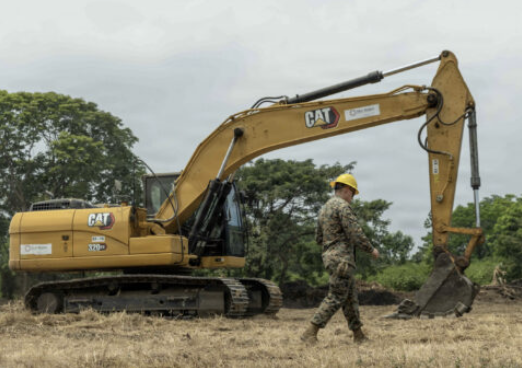
Contratos estadounidenses, fotografías del Pentágono y un memorándum de un comandante ecuatoriano revelan lo que Estados Unidos ha comprado, construido y transportado por vía aérea en Taura.
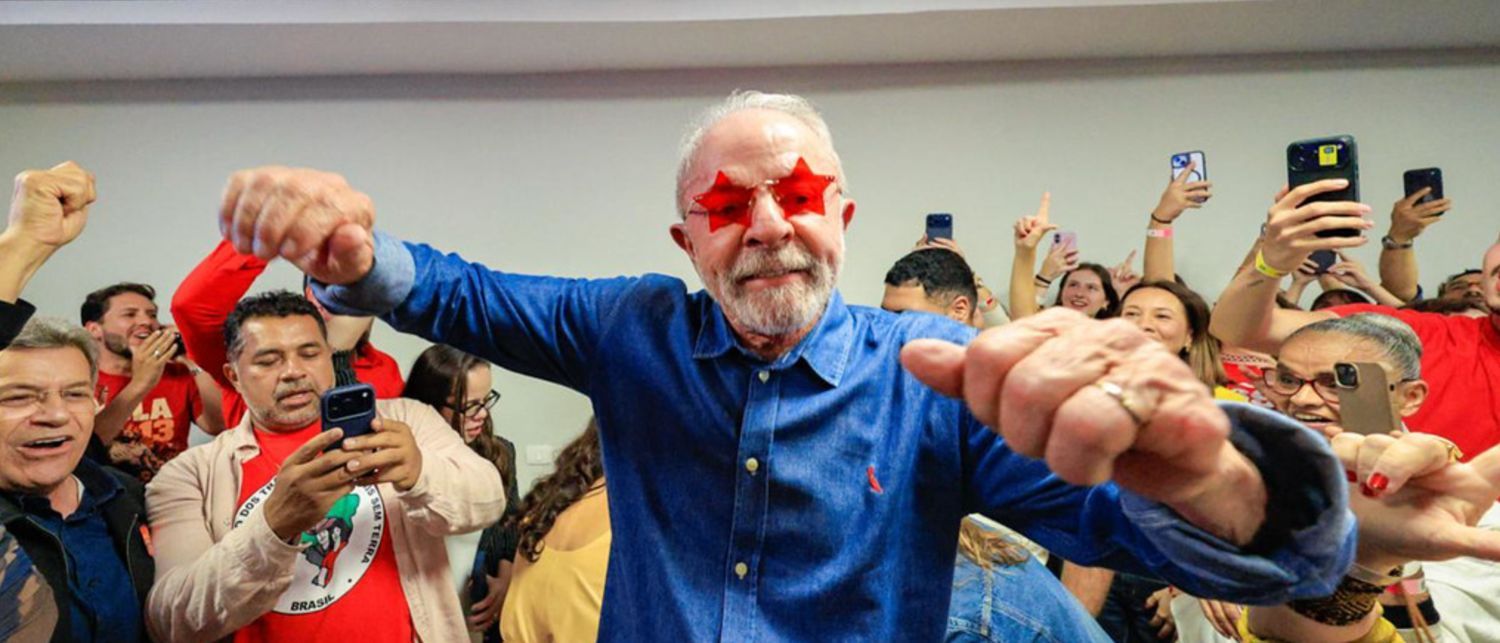
Despite trailing far-right candidate Flávio Bolsonaro in the first round of voting, Luiz Inácio Lula da Silva defied the odds and secured a fourth presidential term, but the road ahead will not be an easy one.
IMAGE OF THE WEEK
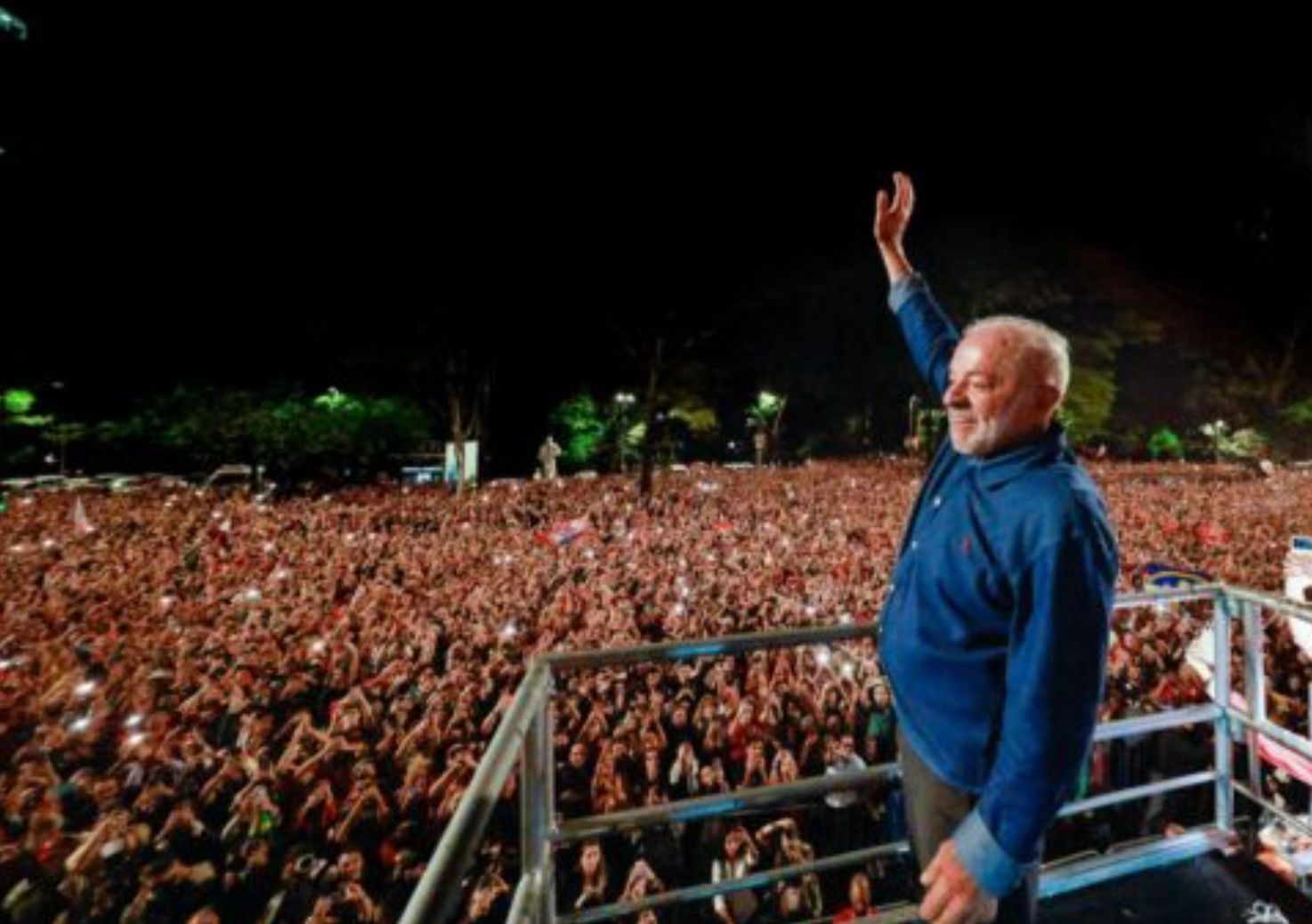
Luiz Inácio Lula da Silva during his reelection speech in São Paulo. Read more about Lula's stunning victory in Andre Pagliariani’s article, “Brazil’s Lula Pulls Off A Surprising Win.” (Photo: Ricardo Stuckert / CC BY-SA 4.0)
AROUND THE REGION
MACHADO RETURNS—Venezuelan opposition leader and Nobel laureate, María Corina Machado, returned to her country on Sunday after numerous failed attempts. Her return complicates the Trump administration’s plan to continue ruling Venezuela through interim president Delcy Rodríguez, who came to power after the U.S. kidnapping of former leader Nicolás Maduro. Since Maduro’s fall, the Venezuelan government has passed a series of U.S. and market-friendly reforms, including a massive neocolonial oil deal and a dramatic reorientation of its foreign policy, all under the threat of further military action or indictments. Benefitting from the current arrangement and arguing that the country is not ready for new elections, the Trump administration reportedly played a role in blocking Machado from returning and excluding her from ongoing dialogues between the government and the opposition, though they have since rejected these reports and claimed to play an active role in her return. On Thursday, Machado gave a public address in which she thanked the Trump administration for opening the “floodgate to freedom” by kidnapping Maduro, criticized the recent U.S. oil deal, and called for elections to be held in 2027; early polling indicates she would be a heavy favorite in any upcoming elections.
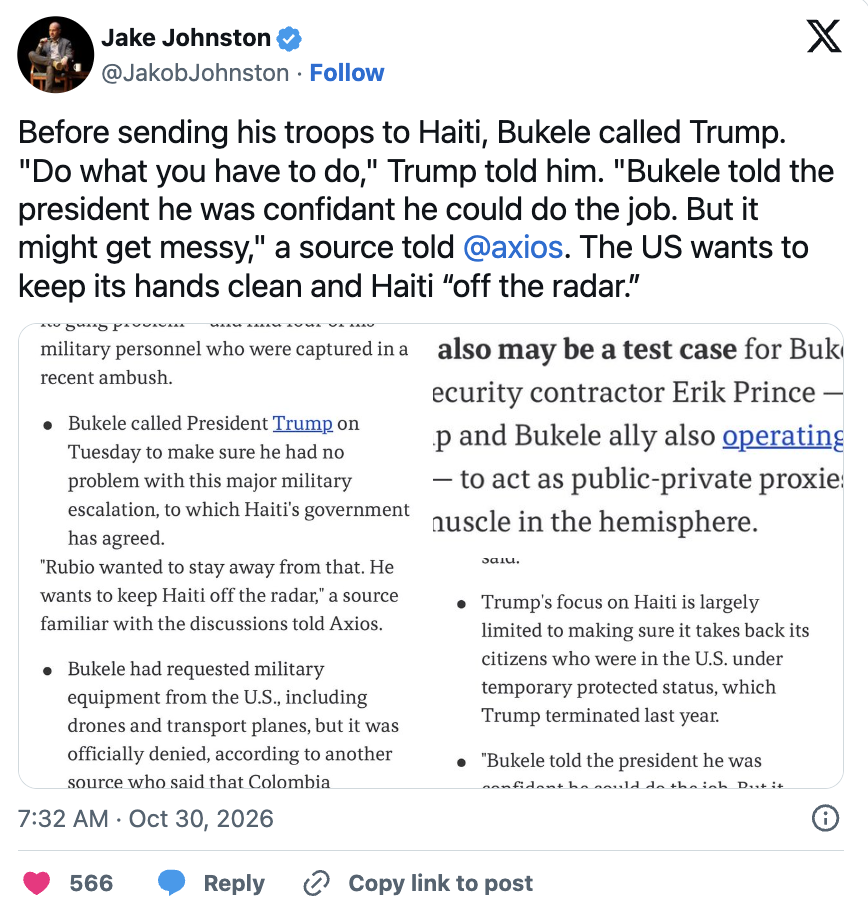
SALVADORAN TROOPS IN HAITI— El Salvador has now reportedly sent at least 1,000 soldiers to Haiti as part of a mission to rescue four Salvadoran members of the Gang Suppression Force (GSF) who went missing on October 18 after being ambushed by gangs. Days after the attack, El Salvador’s strongman President Nayib Bukele posted a message to social media in Haitian Creole, demanding their release and announcing an initial military operation; he also threatened the gangs with further action, vowing that “today’s attack is nothing compared to what is coming” if the hostages are not released alive. The fate of the hostages remains unclear. After the ambush, a local gang leader claimed that the soldiers were killed by “error” and over the weekend, the New York Times reported that the remains of the four soldiers had been handed over to Salvadoran forces. Bukele rejected the report on social media, claiming “they are not our men” and noting that the remains included ID cards and military uniforms of men from other countries. El Salvador is one of the countries providing soldiers for the beleaguered GSF, alongside Jamaica, Chad, Mongolia, Sri Lanka, and Guatemala.
U.S. TROOPS IN COLOMBIA—More than 300 U.S. troops reportedly arrived in Colombia earlier this week to take part in a set of joint military operations known as “Southern Vanguard.” The exercises, which will last until November 11, will focus on tackling drug trafficking, illegal mining, and drones, as well as providing first aid. The operations, which will in large part be carried out at the Tolemaida airbase, have stirred up controversy in the country given the wider possibility that U.S. troops could soon conduct joint strikes on Colombian soil after the new right-wing government agreed to such an arrangement. The left-wing opposition has argued that the presence of foreign troops needs congressional approval. Former Presidential candidate Iván Cepeda sued the government in September after a U.S. helicopter flew over the southeastern municipality of Tumaco in August. On Wednesday, the right-wing head of the Senate, Honorio Henríquez, asked that the Minister of Defense explain to legislators on what grounds U.S. troops were arriving. The issue of U.S. troops in Tolemaida is particularly sensitive given past abuses by U.S. soldiers in the vicinity of the airbase; between 2003 and 2007, U.S. soldiers and military contractors sexually abused more than 54 children but were unpunished due to bilateral immunity agreements.
FIERY UN VOTE ON CUBA—The United Nations voted overwhelmingly to end the decades-long U.S. embargo on Cuba on Wednesday, a non-binding resolution that has been adopted yearly for more than three decades. While the vote has long been purely political theater—only the U.S. Congress can lift the embargo—it has become a barometer for the success of the Trump administration’s attempts to bully its allies into supporting Cuba's isolation. The results of this week’s vote represented unprecedented success on that front; whereas last year the resolution passed with 165 votes in favor, 7 against, and 12 abstentions, on Wednesday, 17 voted against, and 25 countries abstained, including western allies like Italy, Latvia, and Germany, who abstained for the first time in years. In the lead-up to the vote, Cuban officials accused the Trump administration of threatening countries with tariffs and visa revocations if they did not vote in line with the United States. The day before the vote, U.S. Ambassador to the UN Mike Waltz threw a temper tantrum after the Cuban delegation intervened during his speech in which he denounced their country’s leadership as thugs and denied the blockade; when the Cuban representatives called for a point of order and approached the stage, Waltz screamed “you cannot silence me” and demanded they move back. Waltz later announced that a diplomat he alleged “attacked” one of his staffers and was trying to “assault” him would soon be deported.