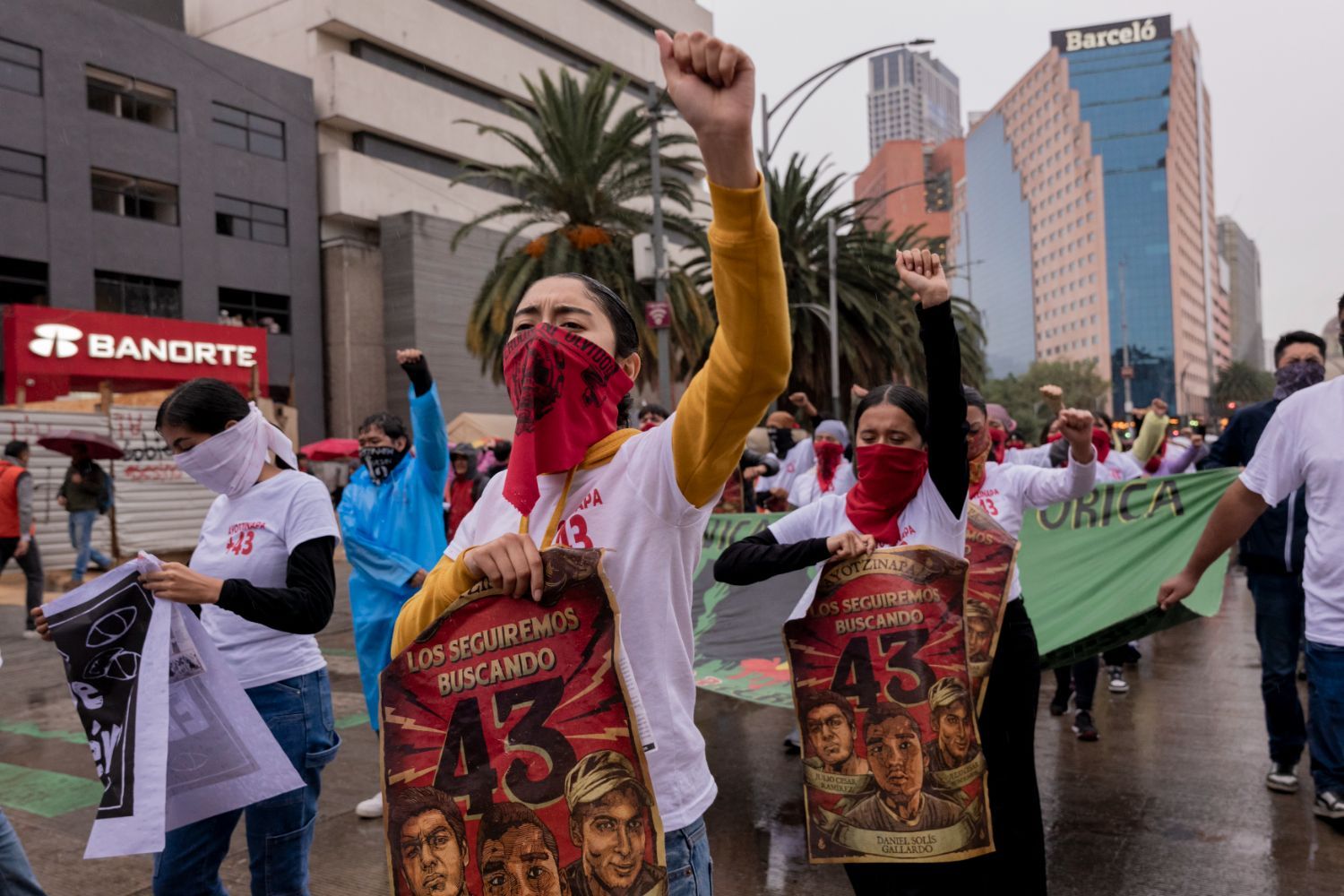
| |  | | Claudia Sheinbaum was sworn in on Tuesday as Mexico’s first woman president and the first woman president in North America. Elected on June 2 with more than 60 percent of the vote, she assumes the presidency as the leader with the largest electoral mandate in Mexico’s history. She is also the country’s first Jewish president. Sheinbaum took the oath of office in the Chamber of Deputies as legislators chanted “Presidenta! Presidenta!” Standing before a row of women soldiers, she addressed the chamber after receiving the presidential sash: “On June 2, the Mexican people, democratically and peacefully, said loud and clear: it is a time for transformation, and it is a time for women.” La presidenta framed her inauguration as the culmination of struggle by generations of women over 500 years: “Arriving with me are the women who could raise their voices and those who could not, those who had to remain silent and those who shouted alone, the Indigenous women, the domestic workers who left their communities to help the rest of us, the great-grandmothers who did not learn to read and write because school was not for girls… they are all arriving, all of them who imagined a future for us where we are free and happy.” In the afternoon, Sheinbaum participated in an Indigenous ceremony in the Zócalo, Mexico City’s central plaza. After receiving the bastón de mando, or “staff of command,” a traditional symbol of authority, she outlined a 100-point priority plan for her administration, which includes an emphasis on infrastructure, the expansion of cash programs for women and children, renewable energy development, and the creation of a federal-level Department of Women’s Affairs. Cartel violence and public security figured lower on her list of stated priorities, according to AP, even though a survey published last month by Mexico’s national statistics agency showed that 60 percent of the adult population considers public safety to be the country’s most serious problem. Writing for Americas Quarterly, Sarah Zukerman Daly argues that Sheinbaum may take a somewhat different path to target security than her predecessor, Andrés Manuel López Obrador (AMLO). However, Sheinbaum has publicly endorsed AMLO’s recent reform placing the country’s 130,000-strong National Guard force under military control, and in her inaugural speech she doubled down on the ruling Morena party’s claim that Mexico is not being militarized, despite evidence to the contrary. On Thursday, Sheinbaum sent a package of reforms to Congress focused on women’s rights. The measures include a constitutional guarantee of equal pay for equal work, gender parity at all levels of government, and the right of all people to live a life free of violence. Feminist groups are observing Sheinbaum’s governance with caution. Over the past six years, AMLO applied deep cuts to programs addressing violence and sexual and reproductive health, and as mayor Sheinbaun sometimes clashed with feminist demonstrators. “Having a female president for the first time in the history of Mexico does not necessarily contribute to the emancipation of all women,” wrote feminist writer and activist Dahlia de la Cerda for El País in August. More than 70 percent of Mexican women over the age of 15 say they have been victims of some kind of violence, according to data from the National Institute of Statistics and Geography (Inegi). Last year, more than 3,000 women were murdered across the country, and of this total, only 25 percent of cases were investigated as probable femicides. Approximately 10 women are killed in Mexico every day and tens of thousands are missing. |
| |
|
|
|
| | | TEACH-IN ON DANIEL JADUE Daniel Jadue is a former activist mayor of Recoleta, the immigrant district of Santiago, Chile. During his term, he implemented many radical municipalist reforms including setting up a people’s university, libraries, and pharmacies that sold medication at cost. Sadly, he’s the victim of a rightwing attack on his people’s pharmacies and has been incarcerated since June 2024. He is currently under house arrest. The goals of this teach-in are to bring attention to the radical municipalist initiatives Jadue implemented in Recoleta during his term, to spotlight his unjust detention and incarceration, and to rally the global municipalist movement behind his case for freedom. Click here for more information and to RSVP. |
|
|
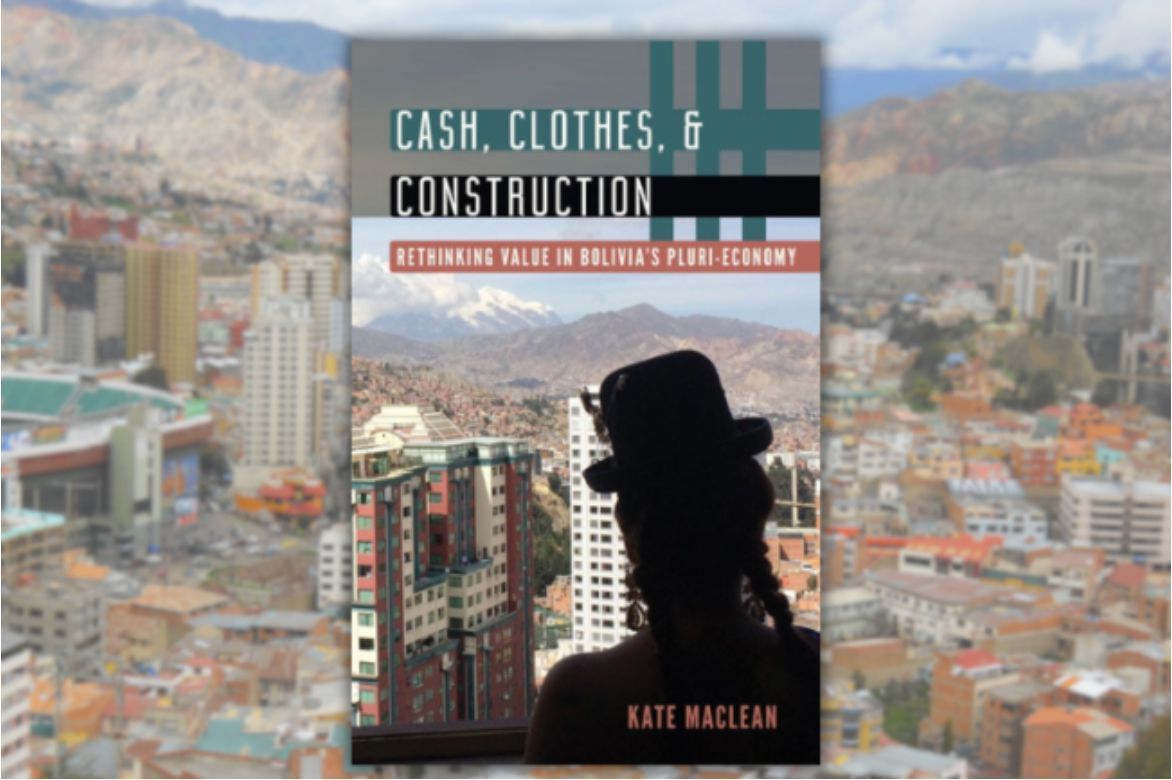
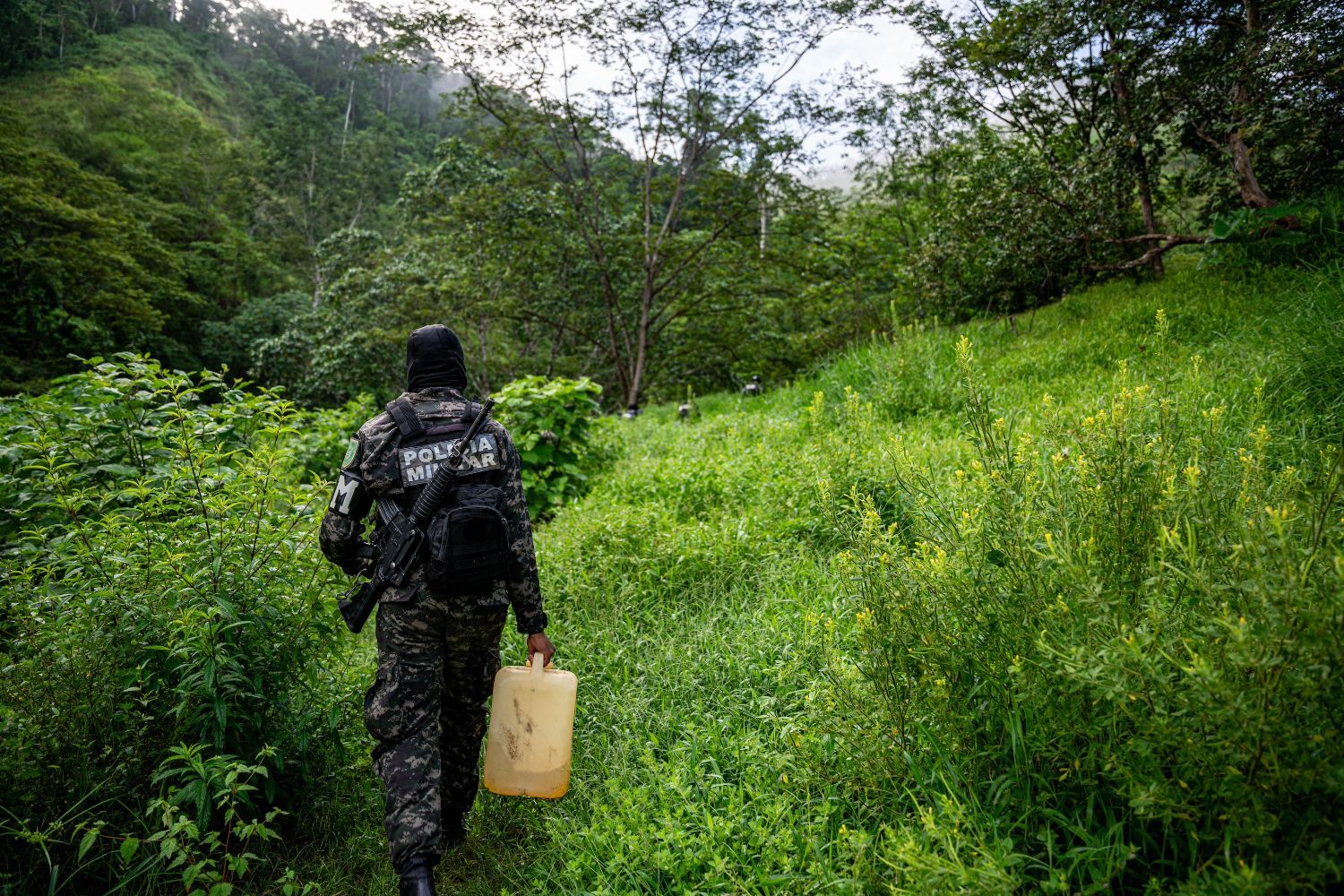
| | | Coca without Borders Fritz Pinnow | October 3, 2024 Long associated with the Andean region, coca cultivation is expanding rapidly in Central America. As eradication efforts intensify, local communities may be in the crossfire. |
|
|
| | | 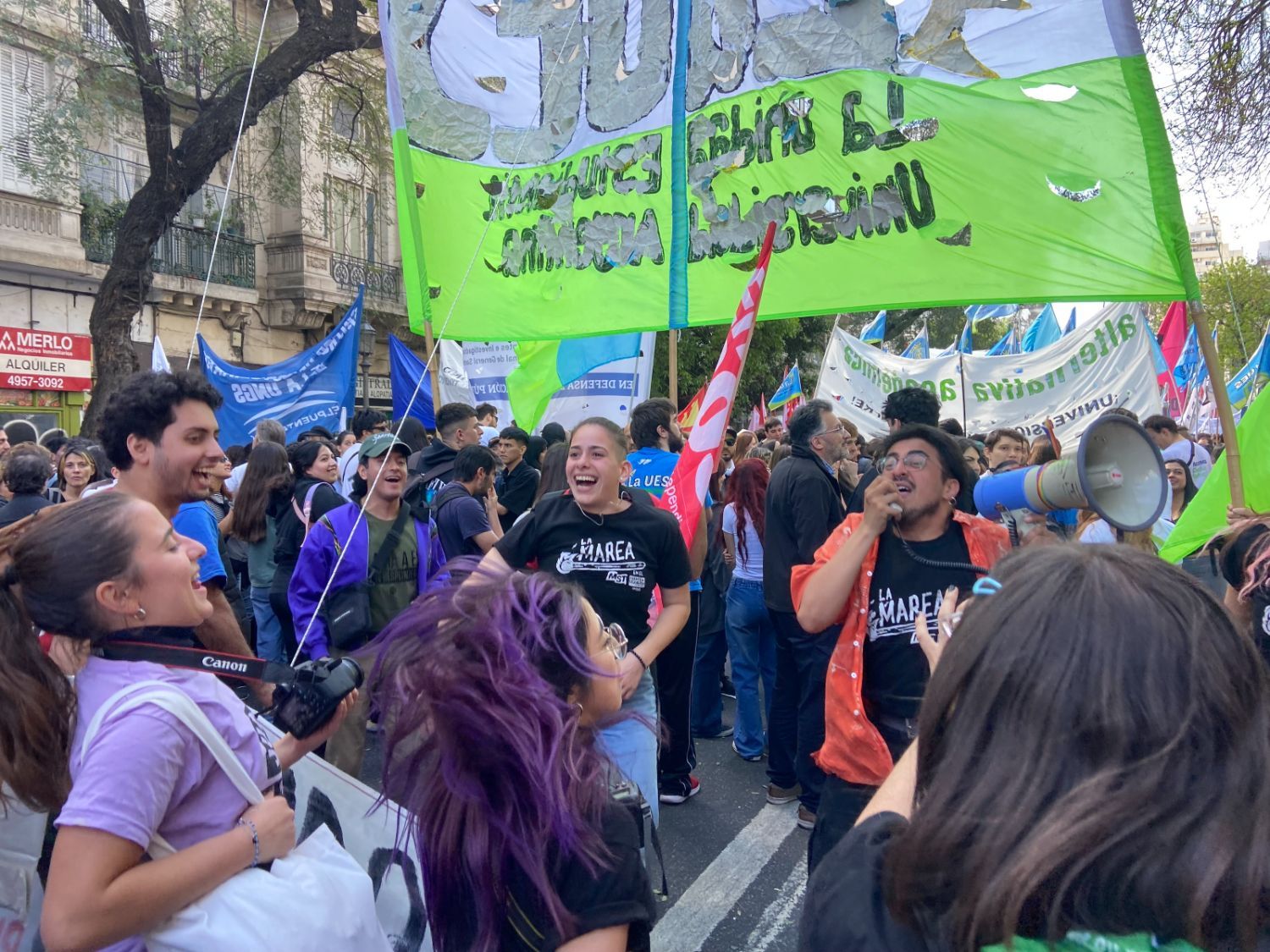 | NACLA intern Lucas Bricca attended the university protests in Buenos Aires on Wednesday denouncing budget cuts to public universities and took photos of the demonstration. Pictured here, students from the United Leftist Worker’s Front chant: “If there’s no budget, we’ll cut off the streets and take the faculty!” Image: Lucas Bricca |
| | | -
MIGRANTS KILLED BY MEXICAN TROOPS — Mexican soldiers opened fire on a truck carrying migrants near the border with Guatemala on Tuesday, killing six migrants from Egypt, El Salvador, and Peru. Seventeen other migrants were wounded in the shooting. Mexico’s Department of Defense initially said the soldiers heard “explosions” and opened fire, but that has not been confirmed. Upon approaching the vehicle, the troops found 33 migrants aboard the truck. Newly inaugurated President Claudia Sheinbaum said two soldiers had been turned over to prosecutors for questioning. A collective of migrant rights groups said in a statement that a woman and girl were among those killed. The attack marks the worst massacre of migrants by authorities in Mexico since police in the state of Tamaulipas killed 17 migrants in 2021 and burned the victims’ bodies in an attempt to conceal the crime. -
UNIVERSITY DEMONSTRATIONS ARGENTINA — More than a million people in Argentina took to the streets Wednesday to protest President Javier Milei’s assault on public universities. The administration had threatened to veto a law passed by Congress guaranteeing university funding at a time when inflation and austerity have reduced university budgets by up to 80 percent in real terms. "We will not allow them to steal our dreams. Our future does not belong to them," declared Piera Fernández de Piccoli, president of the Argentine University Federation, during a speech at the event. Despite the massive mobilization, Milei vetoed the spending bill just hours after the protest. The president’s office stated that the funding bill “clearly violated the current legal framework” and threatened Argentina’s fiscal sustainability. Opposition lawmakers are expected to call a special session to debate the veto, although Congress would need a two-thirds majority in both the Lower and Upper House to overturn it. Read a chronicle of the vibrant university demonstrations by journalists from Revista Anfibia. |
|
|
| -
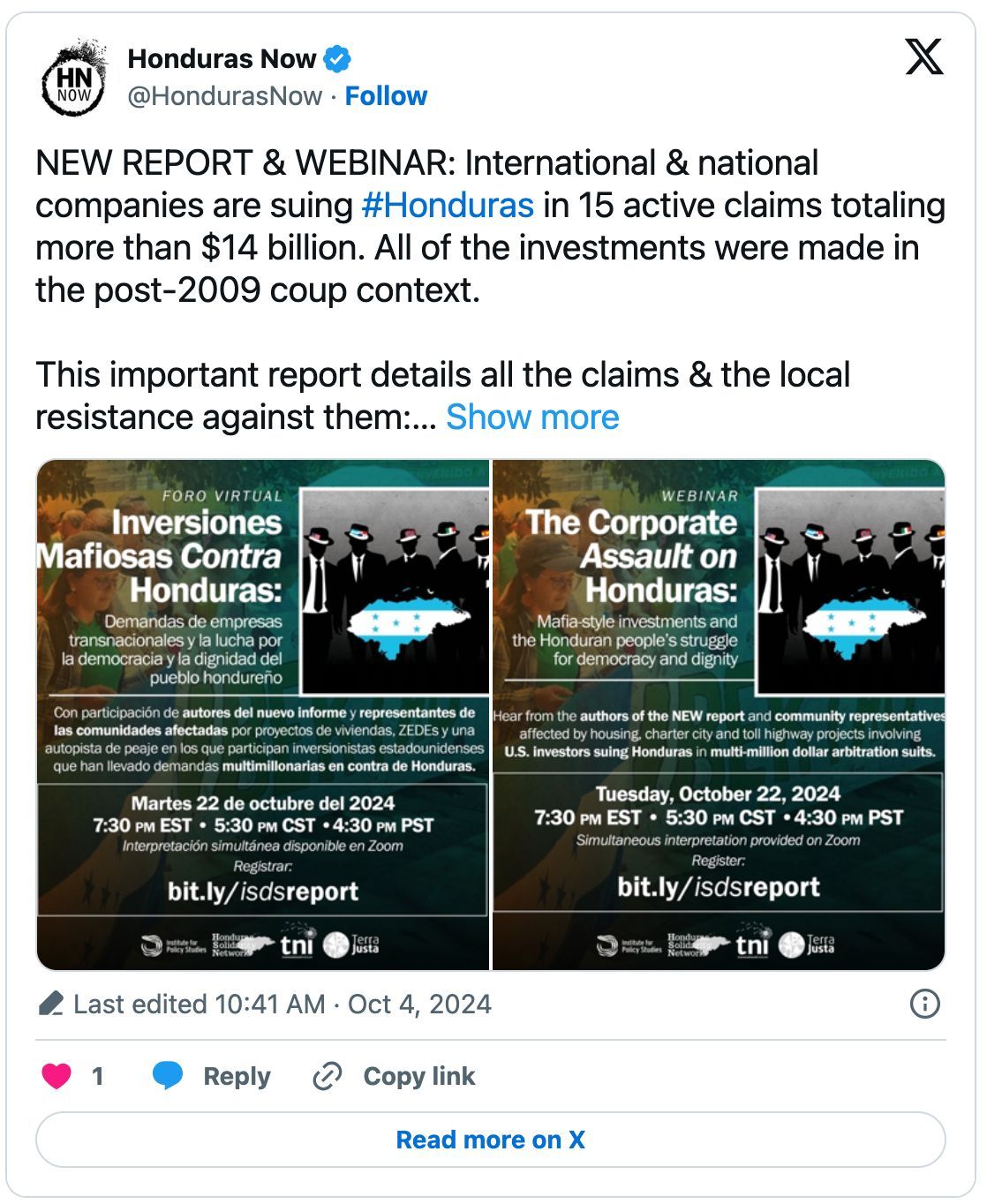
DR TO DEPORT HAITIANS — The Dominican Republic announced Wednesday that it will begin mass deportations of Haitians in the country, expelling up to 10,000 people a week. "This operation aims to reduce the excessive migrant populations detected in Dominican communities," presidential spokesman Homero Figueroa said in a statement, adding that the actions are a response to the “slowness” of the international community to restore stability in Haiti. Last week, Dominican President Luis Abinader announced at the UN General Assembly that he would take “drastic measures” if the UN-backed mission to establish peace and security in neighboring Haiti fails. Abinader has a record of discriminatory policies and human rights abuses against Haitains; in 2023 alone, his government expelled 250,000 Haitians. For more on anti-Haitianism in the United States, see Darlène Dubuisson and Mark Schuller’s article for NACLA on the need for a hemispheric approach to combat xenophobia and U.S. imperialism. - CORPORATE ASSAULT ON HONDURAS — A new report delves into how multinational and domestic companies have exploited investment and free trade agreements to make “mafia-style” demands on the Honduran state and people. A collaboration between the Institute for Policy Studies, the Transnational Institute, TerraJusta, and the Honduras Solidarity Network, the report details the onslaught of lawsuits corporations have filed against Xiomara Castro’s administration to claim lost profits as the government tries to reform damaging trade and investment policies implemented under the country’s neoliberal post-coup governments. In addition to the economic consequences, the punitive lawsuits signify “a blatant effort to undermine legislative reforms, stymie grassroots resistance, and create a ‘chilling effect’ against future regulation—all for the sake of private profits,” reads the report.
- LET MEXICO REFORM ITS JUDICIARY — Writing in The Progressive, NACLA editorial committee member Hilary Goodfriend and Alexander Main call meddling by U.S. media outlets and politicians around Mexico’s recent judicial reform troubling, inappropriate, and unwarranted. Attacks against the reform “appeared to have more to do with disciplining the incoming Sheinbaum administration and undermining the progressive elements of her party’s agenda than defending democracy and the rule of law,” write Goodfriend and Main. Notably, the reforms constitute a threat to financial interests that benefit from Mexico’s current (corrupt) judiciary, and market responses to the changes “send a disturbing message tantamount to blackmail to a fledgling administration with an ambitious agenda for a public sector-led sustainable energy transition.”
- MILEI CANCELS MAPUCHE LAND DEAL — Argentina’s ministry of justice has canceled an agreement that granted Mapuche communities access to land in Nahuel Huapi National Park on the basis that “Argentina doesn’t negotiate with terrorists.” The deal, created under former president Alberto Fernández, would have given Mapuche people 10-year control of two hectares (about 5 acres) of land in the southwest province of Neuquén and western province of Río Negro —a tiny fraction of Mapuche traditional territory. Indigenous groups in the Patagonia region have long sought reparations and the return of lands that were plundered during successive waves of colonization and dispossession.
|
|
|
|
|
|
|
| | | North American Congress on Latin America
53 Washington Sq South, Fl. 4W | New York, New York 10012
(212) 992-6965 | [email protected] |
| |
|
| |
|
|