More than 41 million Colombians are eligible to vote in Sunday's monumental first-round presidential election. The stakes are high: will one of the region’s last major progressive bastions extend its political project, or will it succumb to the right-wing surge that has recently taken power back from the left in Argentina, Chile, Honduras, and Bolivia? Early signs suggest the left’s candidate Senator Iván Cepeda is well-positioned to finish first, but it remains unclear whether he will clear the 50 percent threshold needed to avoid a runoff.
A senator, philosopher and human rights activist whose father was assassinated in 1994, Cepeda catapulted to the top of the left’s field in part because of his role in the case that led to the conviction of former right-wing President Álvaro Uribe on charges related to paramilitary ties last August. Confident that he will finish the day in first place, Cepeda has spent the waning days of his campaign focused on mobilizing enough voters to win outright in the first round. He closed his campaign in the coastal city of Barranquilla, where more than 80,000 supporters packed a rally that reflected the broad enthusiasm his campaign has generated across the country. In his closing address, Cepeda reiterated the key themes of his campaign, including his vow to crack down on corruption and continue much of the agenda of his predecessor, Gustavo Petro. He also returned to his vision of social change, asserting that his government’s “main commitment will be to the poor” and arguing that “when inequality is reduced, when historical injustice is repaired, and when the state protects those who were never protected, all of society is better and advances.”
Cepeda’s rally, staged in a popular barrio in which he laid out a progressive vision of society, contrasted starkly with that of his leading challenger, far-right lawyer Abelardo de la Espriella. Fittingly for a man whose policies are more spectacle than substance, de la Espriella closed his campaign with an over-the-top rally in Medellín. Encased in a bullet-proof box, he waved his fists around, vowed to “die” defending Colombia’s honor, and urged his supporters—whom he calls “defenders of the homeland”—to join him in doing so “by reason or by force.”
The rhetoric is consistent with a candidate who is seen by many as a Colombian “Bukele.” De la Espriella has promised to abandon peace talks and double down on military force to confront the country’s armed conflict. Like other leaders of the global far right, he has cast himself as an anti-establishment outsider. Yet nothing could be further from the truth: he has spent much of his career as a lawyer representing powerful political and business interests. His history of defending controversial figures, alleged ties to right-wing paramilitary groups, and hardline proposals have led critics to dub him a “narcolawyer.” The first-time candidate, who calls himself “The Tiger,” was living in Italy before launching his presidential bid.
Recent polling suggests that de la Espriella has overtaken Paloma Valencia, the candidate of the traditional right and a protegée of former President Uribe. After dominating the March primary of a coalition of right-wing parties, Valencia was widely expected to emerge as the strongest conservative contender. While some analysts still believe she could outperform expectations, Colombian voters appear to be tiring of the traditional right. Even so, her primary victory and a sizable pool of undecided voters make the outcome far from certain.
The left’s current strength cannot be separated from Petro’s successful presidency. Though Cepeda trails both de la Espriella and Valencia in hypothetical runoff scenarios, early polling for the 2026 election took a right-wing victory as a foregone conclusion. Petro’s recent surge in popularity has complicated that narrative. Despite governing amid immense constraints, Colombia’s first left-wing president has presided over historic gains for the country’s popular classes. While Colombia continues to grapple with serious challenges—not least an ongoing armed conflict that has been politically damaging for Cepeda—the left’s time in power has shown that improving the material conditions of the working classes is a popular project. Petro is set to leave office with an approval rating near 50 percent—more than double that of his last two predecessors.
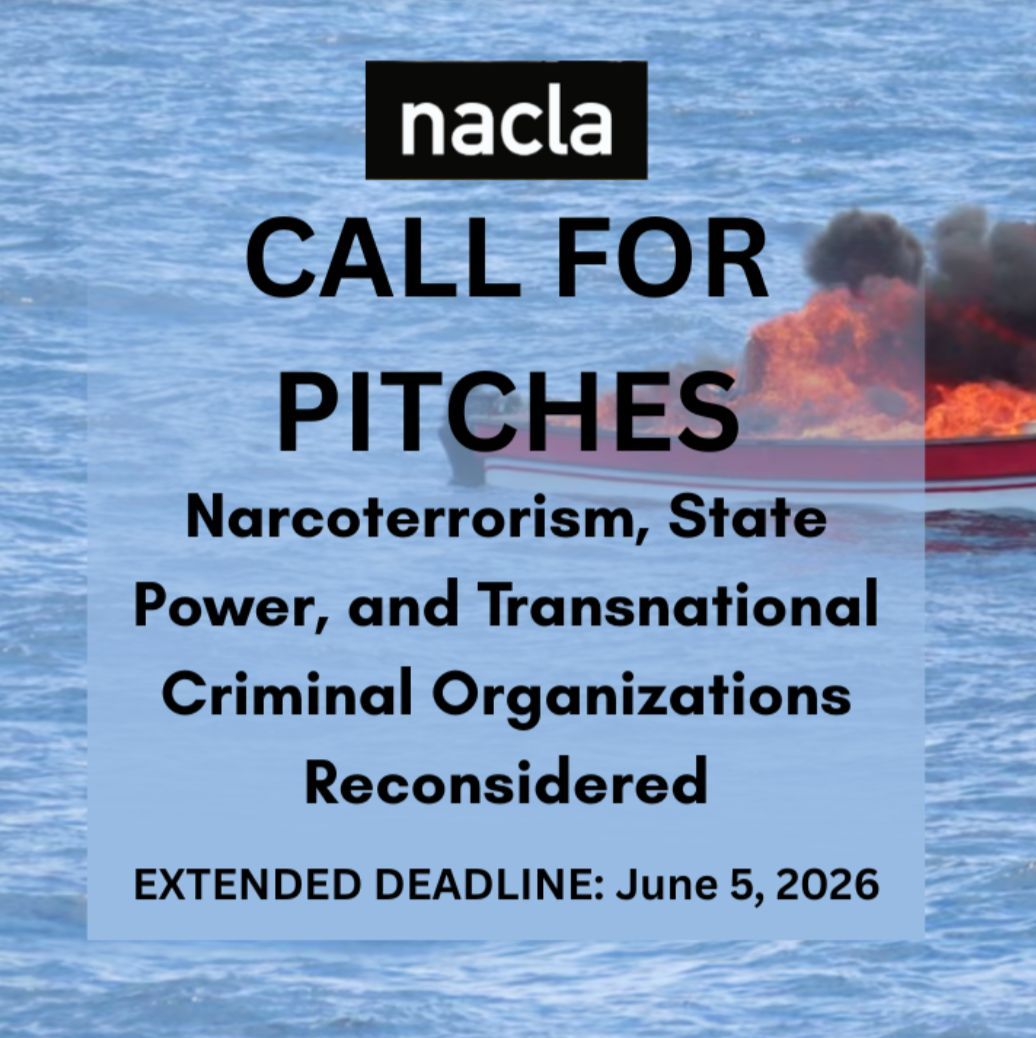
NACLA solicits original contributions on the topic of narcoterrorism, state power, and transnational criminal organizations—broadly defined—for our Winter 2026 issue. Guest edited by K. Sebastian León, Simon Granovksky-Larsen, and Anthony Fontes, this collection will explore critical perspectives that analyze the role of the state in (re)producing violence and insecurity, and which trouble popular understandings of “criminal groups.” Scholars, writers, journalists, and artists working at the nexus of state repression and formally targeted organizations (e.g., gangs, armed groups, transnational criminal organizations) are especially encouraged to share their work.
Please send a brief pitch (250 words) outlining the central argument, approach, and tone of your proposed contribution and why you are well positioned to write it by Friday, June 5 to managing editor Julianne Chandler at [email protected].
Since its founding in 1967, NACLA has worked to expose and oppose U.S. intervention in Latin America. In the face of lies and propaganda generated by the U.S. government, and a mainstream media often complicit in legitimizing U.S. actions, NACLA has sought to be a source of reliable information about the facts on the ground.
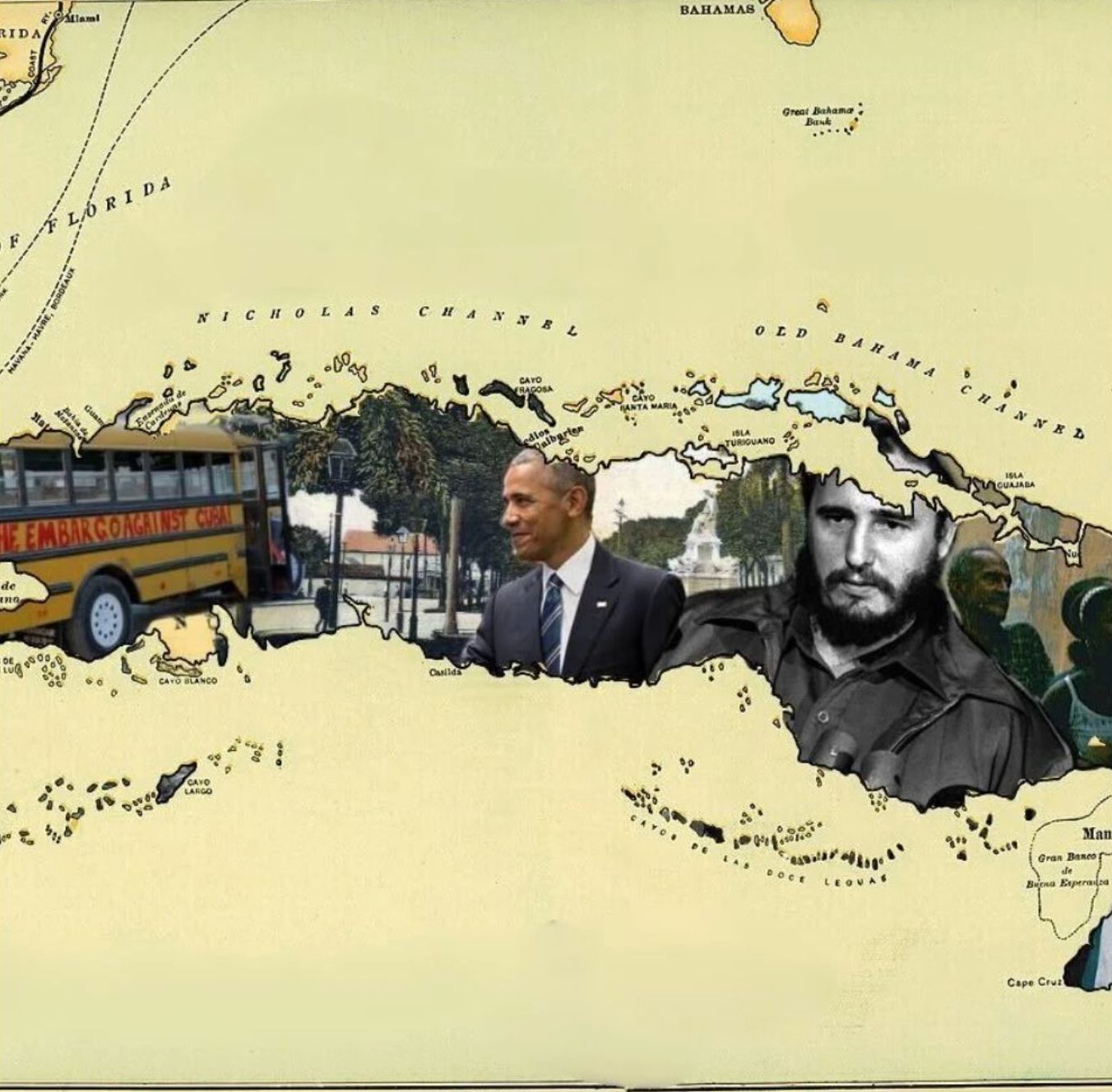
In this dossier of more than 30 articles, special print issues, and exclusive web series, NACLA's editors have curated a guide that touches on some of the most salient issues in recent Cuban history, including six decades of U.S.-led war, Cuba's role on the global stage, the Obama ‘thaw," the July 11 Protests, the role of the diaspora, and more.
NEW ISSUE COMING SOON!
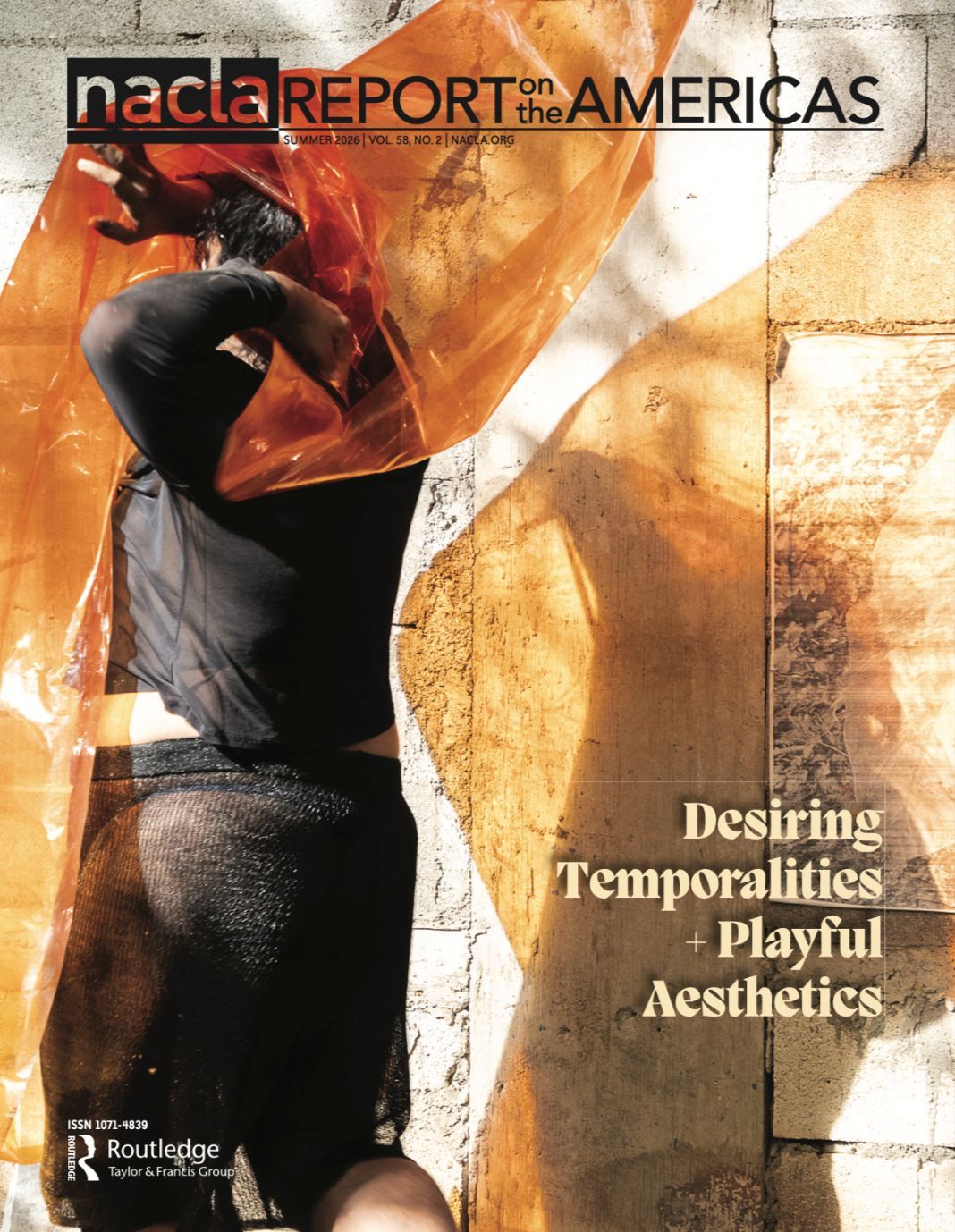
Subscribe NOW to get your copy of NACLA's Summer issue, "Desiring Temporalities + Playful Aesthetics."
Guest edited by Ángeles Donosy Macaya and Laura Juliana Torres Rodríguez, the summer issue explores artistic practices of creation and research that experiment with ways of inhabiting, (re)writing history, activating memory, engaging the archive, and stirring the senses in and from conditions of present dispossession.
If you haven't already, subscribe by June 5 to get your copy in the mail. And donate nowto support our work in the future.
PURCHASE OUR SPRING ISSUE!
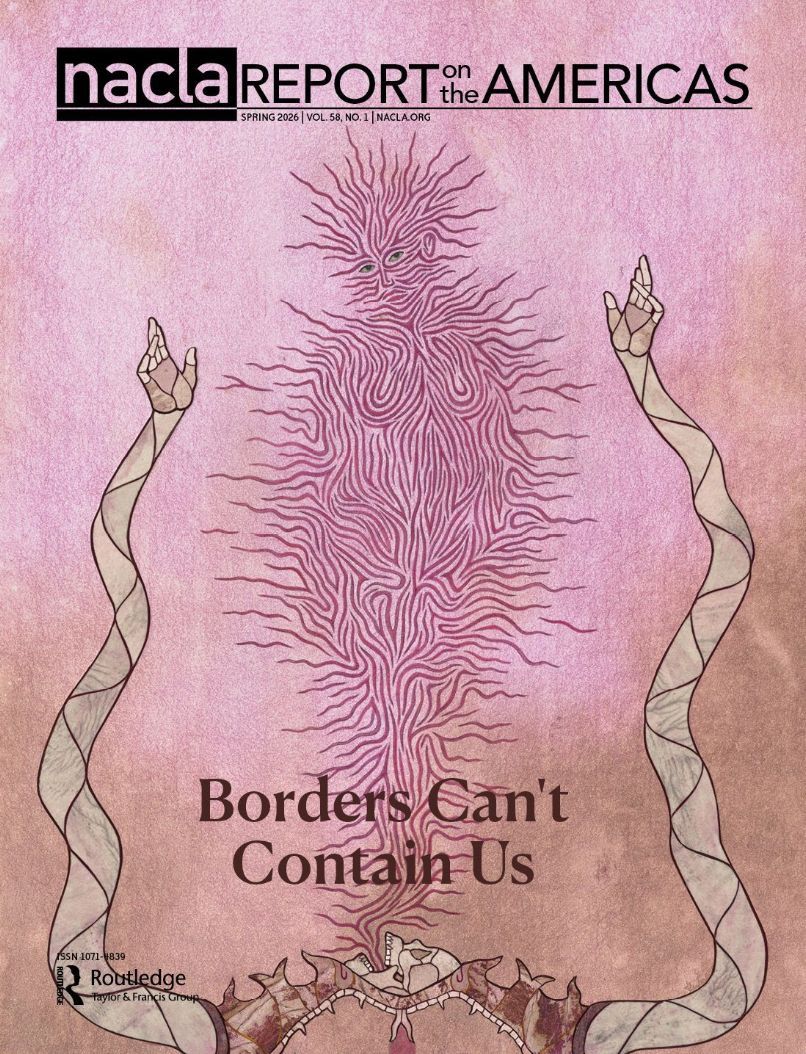
This issue of the NACLA Report examines the consolidation of a hemispheric bordering regime whose violence now extends far beyond any single boundary line. Across the Americas, border enforcement operates through infrastructure projects, detention systems, policing practices, and migration controls that reshape everyday life within and across national territories.
Take advantage of this special offer to purchase an individual issue of "Borders Can't Contain Us."
Offer valid for U.S.-based addresses only and while supplies last. Readers outside the United States may contact us at [email protected] to inquire about international shipping options.
NACLA offers a 5-10 hour/week internship opportunity for students who will receive course credit and/or funding from their educational institution for the internship as part of their studies. This opportunity is ideal for undergraduate students with an interest in alternative media, non-profit operation, and left politics and history in Latin America and the Caribbean.
To apply, please email [email protected] with a resume and a brief summary of why you are interested in working with NACLA.
Fuel shortages, inflation, and political exclusion have triggered a wave of fragmented unrest with no clear movement capable of channeling popular anger.
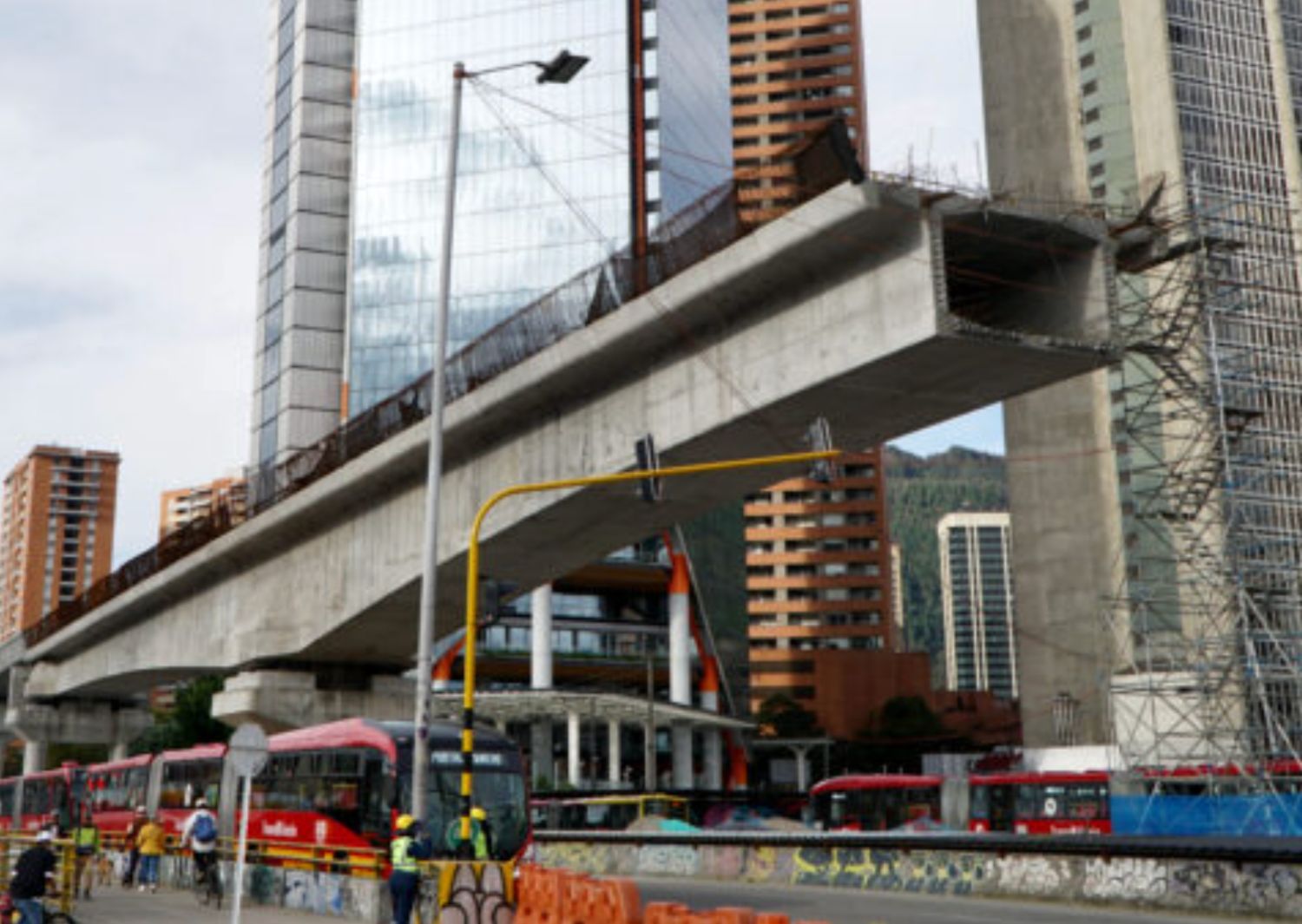
China’s presence in Colombia is no longer an abstract geopolitical discussion but rather a reality negotiated day by day through construction work, commercial exchange, language learning, and personal relationships.
IMAGE OF THE WEEK
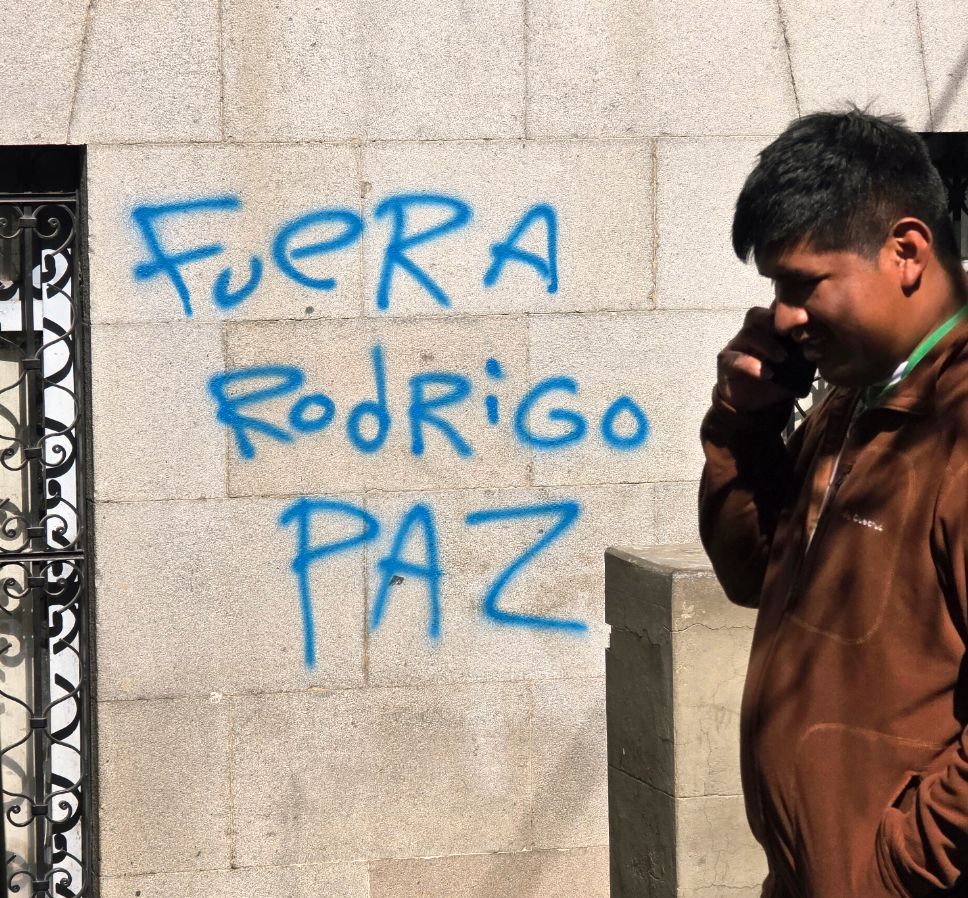
"Out with Rodrigo Paz." Anti-government graffiti in La Paz, Bolivia, May 19, 2026. Read more about the ongoing protests in the country in an article written by Angus McNelly, published this week. (William Wroblewski)
AROUND THE REGION
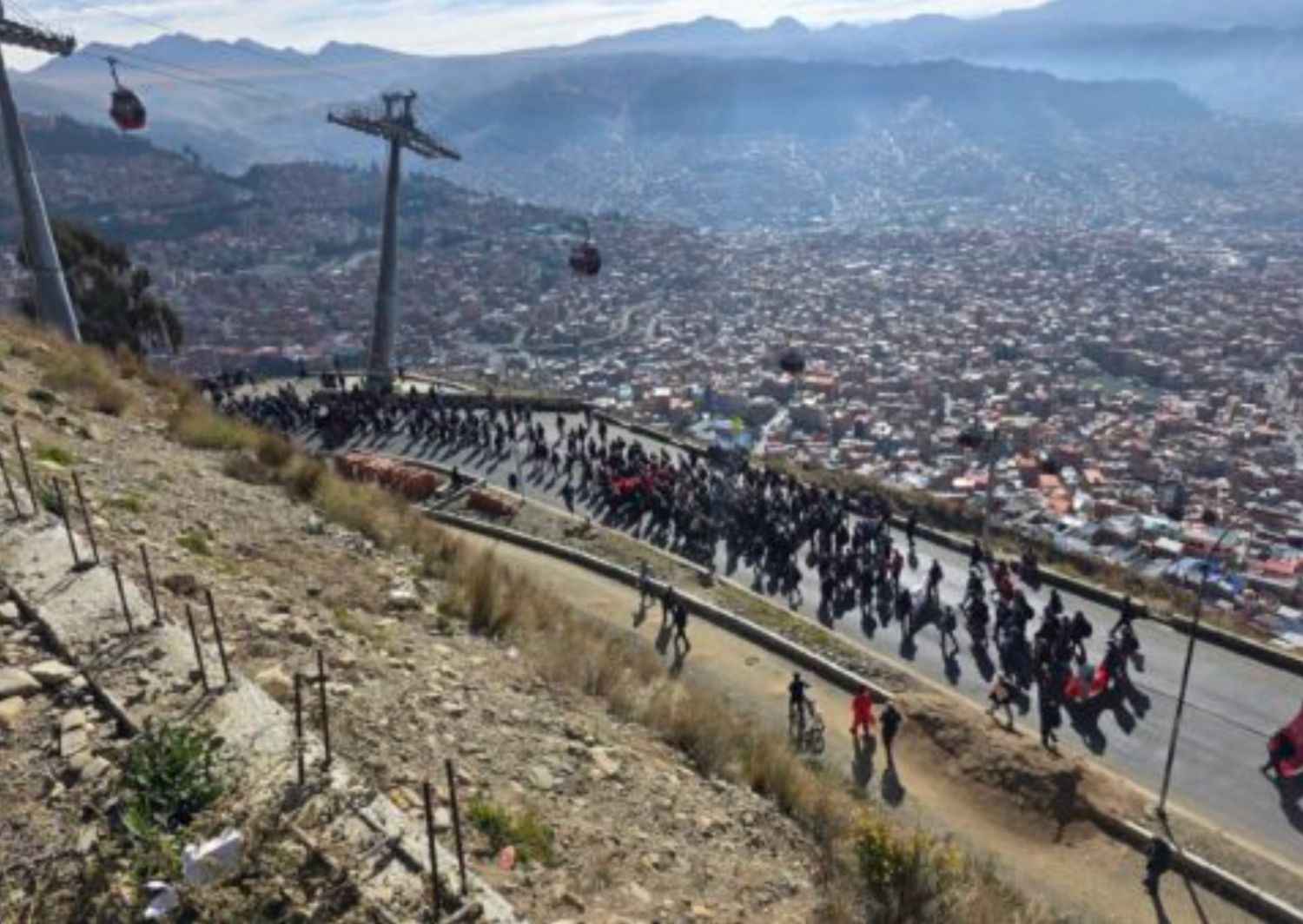
STATE OF SIEGE IN BOLIVIA?—Unable to contain Bolivia’s spiralling political, economic, and social crises, center-right President Rodrigo Paz has oscillated between symbolic conciliatory measures and threats of repression as the country entered its fourth week of mass popular unrest. On Monday, Paz announced that he and his cabinet would halve their salaries to demonstrate their “commitment to the country.” The next day, however, lawmakers approved Law 1731, legislation that could pave the way for Paz to declare a “state of emergency” and deploy soldiers into the streets. Signed into law by Paz on Wednesday, the law rolls back guardrails on the executive’s emergency powers that were instituted five years ago in response to the bloody crackdown carried out by transitional far-right President Jeanine Áñez, who came to power as part of an illegitimate coup regime. While Law 1731 does not itself declare a state of emergency, it places a powerful instrument of state repression back in the hands of the executive—one that Bolivia’s many military governments have historically used to persecute political opponents.
U.S.-GUATEMALA DEAL?—According to a report published Thursday by The New York Times, Guatemala’s center-left President Bernardo Arévalo has agreed to carry out joint military operations with the United States military against drug trafficking groups within its own territory. The news has not yet been publicly announced by either government, and Arévalo quickly pushed back against the report, insisting that his government had only requested security assistance and reiterating his desire to avoid U.S. boots on the ground. According to the article, Arévalo agreed to U.S. airstrikes and other military actions after speaking with Defense Secretary Pete Hegseth last week. If confirmed, Guatemala would become the second country in the region, after Ecuador, to allow joint U.S.-military action within its borders. While such a move would be unexpected from a nominally progressive government, Arévalo has collaborated with the Trump administration on issues of migration and regional politics. The Times also reported that Washington plans to pressure Honduras into accepting a similar deal, as part of a broader effort to convince Mexico to allow joint counter-narcotics operations in its territory.
BOLSONARO MEETS TRUMP—Flávio Bolsonaro, the Brazilian right’s leading candidate in upcoming presidential elections, turned to his relationship with Donald Trump to bolster a candidacy recently beset by scandal. Flávio, the son of former President Jair Bolsonaro, visited the White House on Tuesday to meet with Trump and project himself as an international leader. The meeting came just weeks after President Luiz Inácio “Lula” da Silva’s own visit to Washington. During the meeting Flávio asked Trump to designate Brazil’s leading gangs as terrorist organizations—a move resisted by Lula out of concern that it would invite direct U.S. military intervention. The following day, he met with Secretary of State Marco Rubio and Vice President J.D. Vance. The visit came weeks after revelations emerged about Flávio’s ties to a corrupt banker dealt a serious blow to his campaign. Since then, Lula, his main challenger, has since widened his lead in a hypothetical second-round matchup that many analysts expect to take place. While the White House visit represented a victory of sorts for a campaign looking to regain momentum, the Brazilian right’s embrace of Trumpism may ultimately benefit progressive forces. The U.S.-led tariff war sparked a nationalist backlash in Brazil that has bolstered support for Lula.
MEXICAN TEACHERS—Riot police in Mexico City used tear gas on Monday to stop striking teachers from occupying the Zócalo, the city’s main public square. The teachers, mostly from the Oaxaca branch of the National Coordinator of Education Workers (CNTE), were attempting to set up a protest camp at a site where the government is constructing a fan zone for the upcoming FIFA World Cup, set to begin in a few weeks. The CNTE, a union with a long history of militant protests, have threatened further disruption ahead of the World Cup. The teachers last protested in the capital in May, occupying the Zócalo and demanding the government fulfill its promises to repeal a 2019 education reform and a 2007 pension privatization package that they argue have made their lives more precarious. Though they were prevented from reaching the Zócalo and instead set up an encampment on neighboring streets, they may soon try again: more teachers are expected to arrive for a proposed national strike on June 1, organized around the same demands. Meanwhile, CNTE members who attempted to set up a roadblock in Oaxaca were reportedly fired upon by the local mayor, a member of President Claudia Sheinbaum’s Morena party; the teachers allege that some of their members remain in detention.