Abelardo de la Espriella, a 47-year-old far-right lawyer and political newcomer, was officially declared the winner of Colombia’s presidential election on Wednesday, bringing to an end days of uncertainty following Sunday’s razor-thin result. Leftist candidate Iván Cepeda, President Gustavo Petro, and their allies had initially refrained from conceding defeat until the official recount was complete. On Wednesday, Cepeda accepted the outcome while denouncing foreign intervention in the election and promising peaceful resistance to de la Espriella’s agenda. Petro has been more reluctant to officially recognize the result, though he has continued preparations for the transfer of power on August 7.
De la Espriella’s victory marks a milestone for Colombia’s far-right. While the country has long had a deeply conservative political establishment, his explicitly “populist” appeal —however phony it may be— represents a departure from the traditional Colombian right, even as it ultimately supported him. Perhaps seeking to consolidate that alliance, de la Espriella cast a more “moderate” tone in his acceptance speech, calling upon Colombians to “leave behind divisions” and promising to govern on behalf of “all Colombians” while respecting the constitutional rights of the opposition. Given his historically narrow mandate—he beat Cepeda by less than one percentage point—a play for moderation may prove politically necessary.
Yet his ongoing attacks on Petro, dark rhetoric about the state of the nation, and early policy moves signal that a more confrontational political climate lies ahead. He has repeatedly referred to Petro’s administration as a “regime” and accused the outgoing president of “degrading” the office of the presidency. He has also painted a dystopian picture of Colombia as a “battered nation” that will require “sacrifice, discipline, and work” to “save.” On the policy front, he has vowed to end all negotiations with the country’s armed groups, giving them one month to surrender, or else, and pledged to strengthen ties with Israel while joining the Trump administration’s “Shield of the Americas” coalition.
Given his own ties to organized crime, de la Espriella would fit well within the “Shield of the Americas,” a coalition ostensibly dedicated to combatting “narcoterrorism” but increasingly composed of regional leaders who themselves face serious allegations of corruption or criminality. Still, Colombia’s far-right turn differs in crucial ways from other recent defeats suffered by progressive governments in Chile, Honduras, Bolivia, and Argentina. Unlike many of his Pink Tide counterparts, Petro will leave office with relatively strong approval ratings. This result is even more striking given that his government was the first left-wing administration in Colombian history. While Sunday’s defeat cannot be sugar-coated, it should also be placed in historical context. As Lara Loaiza argued in her article for NACLA this week, “if anything, the result demonstrates that the Colombian left’s vision of society is far from a minority position.”
Cepeda’s tone in the aftermath of defeat has also positioned the left for the fight ahead. While he has continued to dispute certain aspects of the electoral process, especially the role of U.S. intervention, he has described accepting the result as “an act of democratic responsibility.” Having accepted the Senate position granted to the runner-up, Cepeda is expected to lead a left-wing opposition that, in terms of congressional representation, has never been stronger.
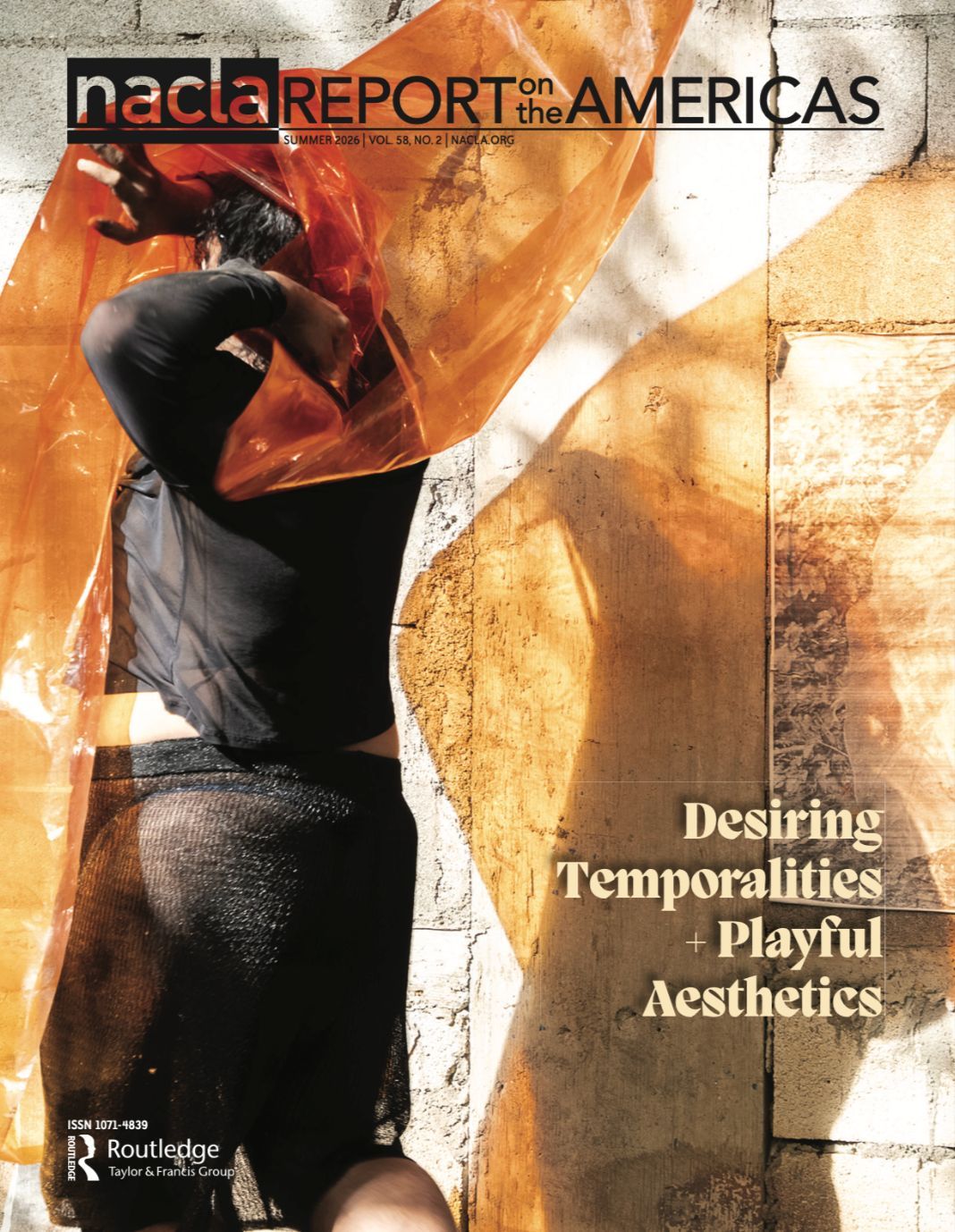
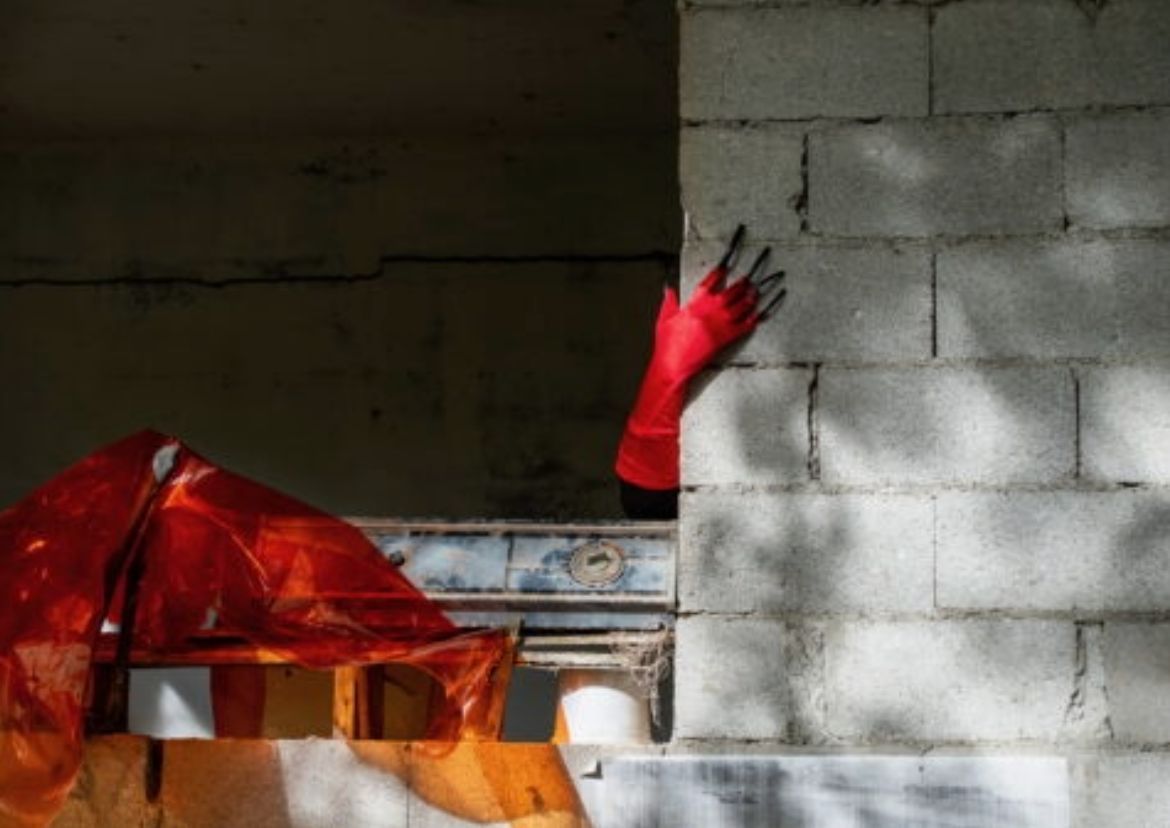
This issue of the NACLA Report explores artistic and research practices that activate memory, engage the archive, and expand the possibilities of collective life amid ongoing forms of dispossession, militarization, and war. From Puerto Rico and Palestine to Colombia, Ecuador, Mexico, and the diaspora, contributors examine how artists, writers, performers, and organizers are creating new ways of inhabiting history, preserving memory, and imagining futures that exceed the limits imposed by colonialism, racial capitalism, and state violence.
Guest edited by Ángeles Donoso Macaya and Laura Juliana Torres Rodríguez, the issue turns to “desiring temporalities”: creative methodologies oriented by desire that refuse to be defined solely by catastrophe or loss.
The Summer 2026 issue of the NACLA Report explores artistic and cultural practices that activate memory, engage the archive, and expand the possibilities of collective life.
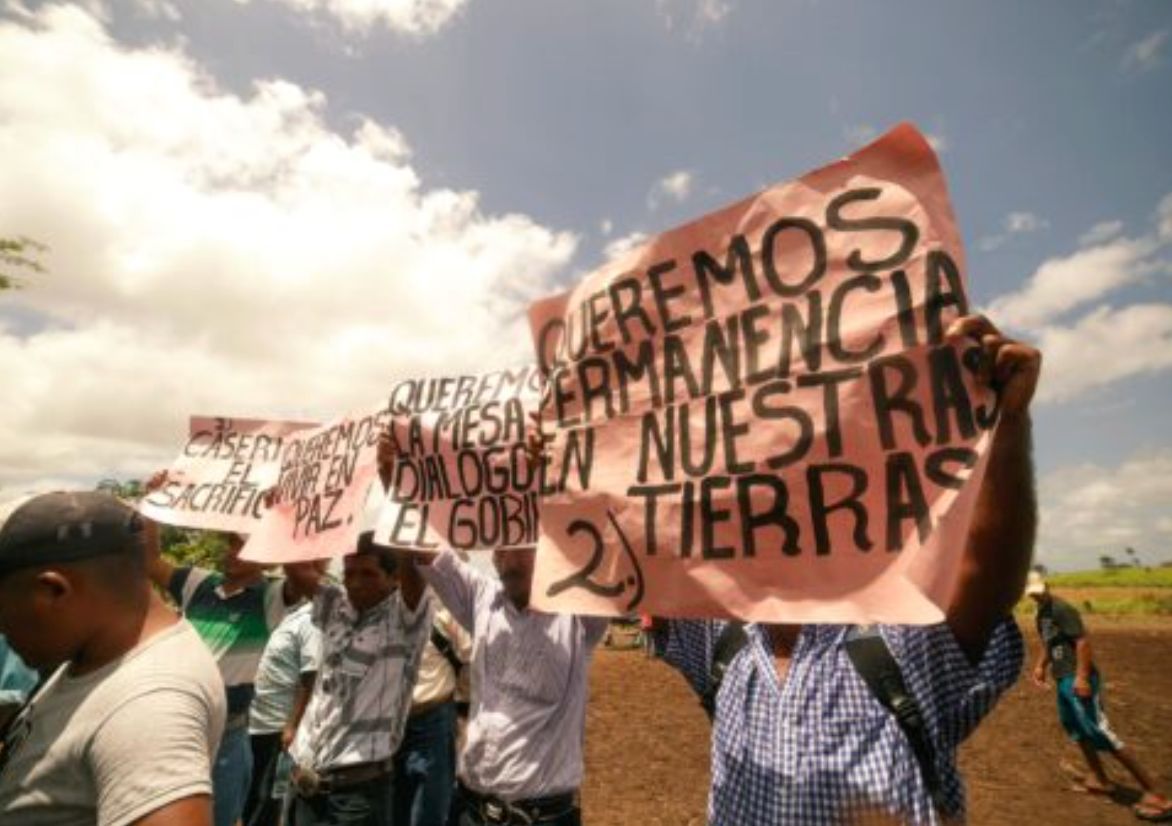
The unchecked power of multinational corporations, state-criminal networks, and legacies of genocide against Indigenous communities continue to fuel violence against public figures in the country.
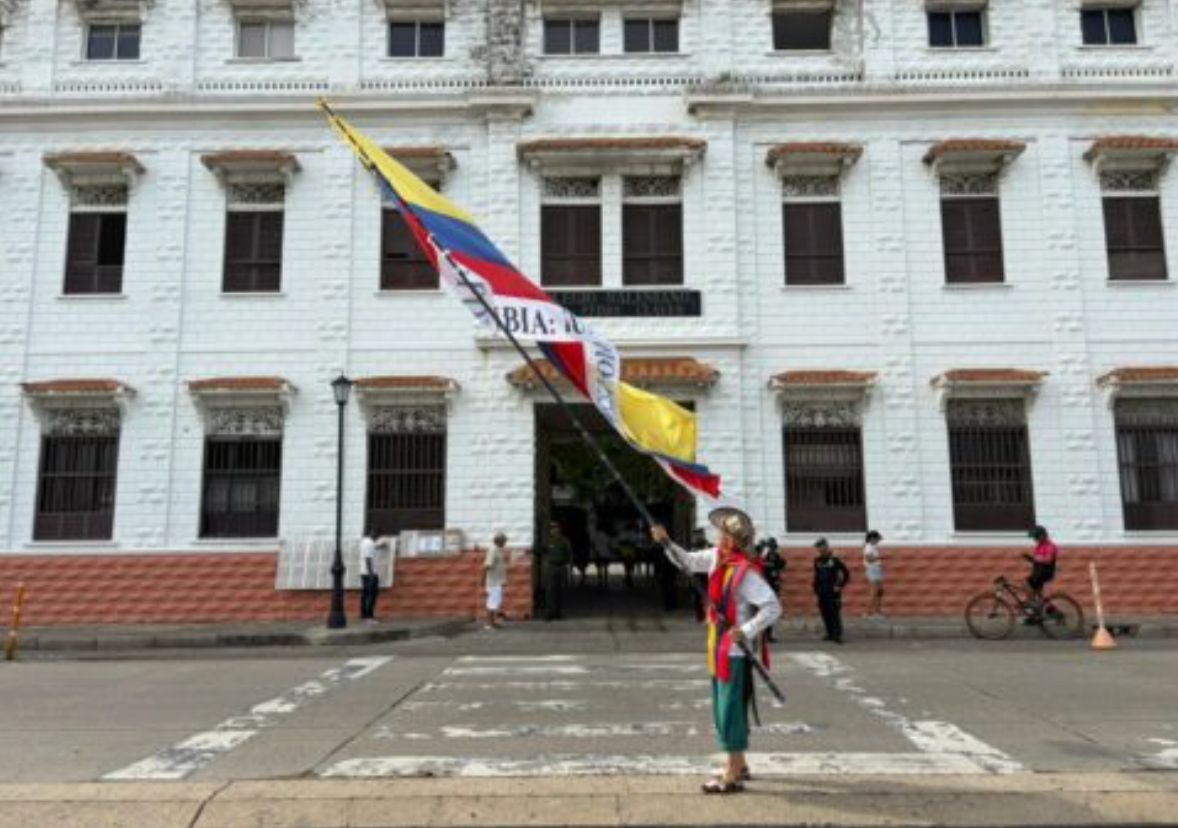
Abelardo de la Espriella, a far-right lawyer with ties to paramilitary groups, is set to win a historically close election, a result that threatens to repeat the mistakes of Colombia’s past.
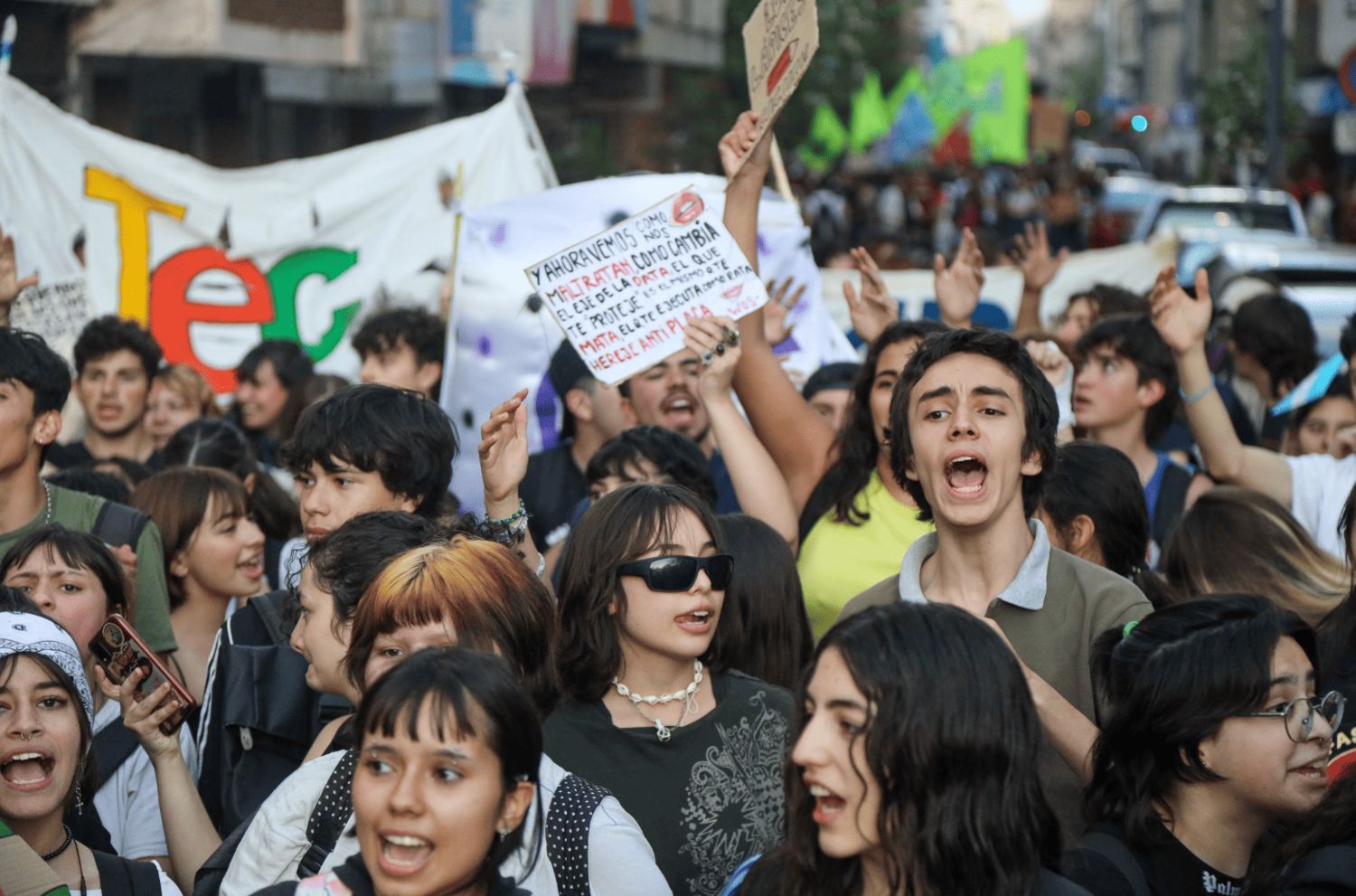
Students march in memory of the teenage victims of the U.S.-backed Argentine dictatorship, who were detained, tortured and executed in 1976, September 16, 2024, Córdoba, Argentina. Read Bret Gustafson's interview of Michael Fox from our recent print issue. (Photo credit: Michael Fox)
AROUND THE REGION
PERU’S ELECTION TURMOIL—Roberto Sánchez, Peru’s left-wing presidential candidate, formally denounced the country’s June 7 runoff election as “fraudulent” on Tuesday, escalating his challenge to an election in which he trails right-wing frontrunner Keiko Fujimori by merely 40,000 votes. The declaration marks a shift from last week, when Sánchez criticized the handling of overseas ballots but stopped short of questioning the legitimacy of the election itself. The accusation comes at a tense time in Peru—weeks have passed since the runoff vote and a formal winner has still not yet been declared. Fujimori appears headed to victory given that her lead exceeds the number of ballots still under review. Her campaign cleared another hurdle this week after Peru’s electoral tribunal rejected Sánchez’s attempt to annul overseas votes. Sánchez and his party argued that recent procedural changes—most notably the elimination of the requirement to digitally scan votes—made the process vulnerable to interference.The overseas vote was in large part responsible for erasing Sánchez’s early lead and propelled Fujimori ahead. On Tuesday, Sánchez called for nationwide protests over the weekend and vowed not to recognize a Fujimori government if she is sworn in on July 28.
BOLIVIA’S ONGOING CRISIS—After five weeks of nationwide blockades, Bolivia’s major highways have largely reopened following President Rodrigo Paz’s weekend declaration of a state of emergency. The decree, issued on Saturday and approved by the legislature the following day, prohibited the blocking of key transport routes and authorized the Armed Forces to aid the police in clearing roadblocks and restoring order. The protests were initially organized by a wide coalition of unions, miners, teachers, and Indigenous organizations demanding solutions to fuel shortages, surging prices, and land privatization.As the crisis deepened, those demands soon grew into calls for Paz’s resignation. For more than a month, protesters severely disrupted the delivery of food, fuel, and medicine, leaving shelves bare in cities including Cochabamba and La Paz. While the most acute phase of the mobilization has subsided for now, union leaders and allies of former President Evo Morales insist that the pause is merely temporary. At the same time, the government and its regional allies have sharply escalated their rhetoric. A joint statement issued this week by a coalition of governments, including the United States, warned that a “violent minority” constituted a “grave threat" to Bolivian democracy. Prominent critics of the protests, including former Bolivian defense officials and U.S. Secretary of State Marco Rubio, have also sought to link the movement to drug trafficking.
EARTHQUAKES HIT VENEZUELA—Two powerful earthquakes struck Venezuela on Wednesday evening, leaving hundreds dead and thousands wounded, with the death toll expected to rise sharply as rescue efforts continue. The first, measuring 7.2, was followed minutes later by a second devastating 7.5-magnitude quake that hit heavily-populated parts of the country, particularly the port city of La Guaira, which acting President Delcy Rodríguez described as a “disaster zone.” The day after the quake, survivors began to dig through the rubble in search of loved ones, with many lamenting what they saw as a slow and inadequate government response. The tremors also caused extensive damage in nearby Caracas, toppling buildings and forcing millions to spend the night in their cars. International assistance arrived quickly, with aid, financial support, and rescue teams beginning to reach the country on Thursday. The disaster comes at a moment of profound crisis for the Venezuelan government and its people, who are still reeling from the U.S. kidnapping of Nicolás Maduro in January, while continuing to face U.S. sanctions. Analysts have speculated that the Trump administration may use the promise of humanitarian assistance as leverage to deepen its influence over the country during the recovery.
U.S. MIGRATION—The Supreme Court ruled that the federal government can legally turn away asylum seekers at the U.S.-Mexico border by physically preventing them from entering the country, upholding a controversial policy known as “metering.” The 6-3 decision overturned a lower court ruling that found the policy unconstitutional and grants Customs and Border Protection officers broad discretion to deny access to migrants when they deem the border crossing too strained to handle additional asylum claims. Originally developed under the Obama administration, metering was expanded during Trump’s first term before being rescinded by Joe Biden, who instead relied upon other policies to severely restrict access to asylum. The decision hinges on a narrow interpretation of U.S. asylum law, which states that any migrant who “arrives” in the country can apply for asylum. While that has historically included migrants presenting themselves to immigration officials at the port of entry, the Court’s conservative majority argued that those physically prevented from reaching U.S. soil may not qualify. In a separate 6-3 ruling issued the same day, the Court also authorized the Trump administration to revoke Temporary Protected Status (TPS) for roughly 350,000 Haitians and 6,000 Syrians, meaning they could soon be subject to deportation.