Keiko Fujimori, the daughter of former dictator Alberto Fujimori, was officially sworn in as Peru’s president on Tuesday. The hard-right leader, who became the country’s first elected female head of state, defeated leftist candidate Roberto Sánchez by an extremely thin margin in June’s runoff, though her victory was confirmed only after nearly a month of protests, a delayed vote count, and ongoing allegations of fraud from the left. It was Fujimori’s fourth bid for the presidency.
After being officially sworn in as Peru’s ninth president in a decade, Fujimori used her inaugural speech before Congress to reaffirm the central themes of her campaign, chief among them a hardline response to the country's deepening security crisis. She reiterated plans to construct megaprisons modeled on El Salvador’s CECOT, expel undocumented migrants, make prisoners work for food, and expand the military’s role in public security. On Tuesday, she doubled down, declaring that “during states of emergency, the Armed Forces will temporarily take the lead in security operations."
Peru’s security crisis is real. The country’s homicide rate has nearly doubled in the past five years, extortion by criminal groups functions like a tax on small businesses, and illegal mining and drug trafficking ventures fuel violence and corruption. Years of political instability have only compounded these problems. Yet there is ample reason to doubt that Fujimori’s promised crackdown will address the structural roots of insecurity. Instead, it risks further eroding Peru's already fragile democratic institutions—a lesson rooted in the country’s own recent history. While the failures of the Salvadoran model have become increasingly apparent in places like Ecuador, Honduras, and, to a lesser extent, Costa Rica, Peru’s own experience under Alberto Fujimori offers the clearest warning. While the elder Fujimori defeated the left-wing guerrilla insurgency known as the Shining Path, his time in office (1990-2000) was marked by authoritarianism, grave human rights abuses, and rampant corruption. In 2009, he was sentenced to 25 years in prison for his role in two massacres that left 25 people dead.
That legacy was impossible to ignore in Tuesday's proceedings. Shortly after Keiko Fujimori received the presidential sash and prepared to address Congress, members of the left-wing opposition walked out in protest, holding pictures of Peruvians killed by state forces during the 2022-2023 demonstrations that followed the removal of left-wing president Pedro Castillo. Outside of Congress, Sánchez joined demonstrators that included victims of the Fujimori dictatorship, families demanding justice for those killed in the more recent protests, and Peruvians who oppose Keiko’s rise to power, some of whom continue to reject the legitimacy of her victory—a position echoed at times by Sánchez himself, despite ultimately accepting the results. On Tuesday, he had harsh words for the new president, saying he was willing to “meet with any devil if it means achieving justice for our people.”
Fujimori’s victory marks another gain for the Latin American right and for the Trump administration, with which her government has signalled an interest in deepening ties. Yet despite her long political career, governing may prove difficult. Although her Popular Force party is expected to hold the largest minority bloc in a fragmented Congress and her coalition secured the Senate presidency, Peru's newly restored bicameral legislature—and the country's broader political fragmentation—could complicate efforts to advance her agenda.
Given her political experience, Fujimori may be better positioned than her predecessors to complete a full presidential term, something no Peruvian president has done since Ollanta Humala (2011-2016). Even so, the country’s intense political crisis is likely to continue.
¡Queremos escuchar de ti! Tus respuestas a nuestra encuesta nos ayudarán a orientar el trabajo periodístico de NACLA y a garantizar que sigamos ofreciendo las noticias y los análisis en los que confías. ¿Podrías tomarte unos minutos para completar nuestra encuesta ahora?
TAKE OUR SURVEY!
Help us build a better NACLA!
We're launching a reader survey to better understand our community! We'd love to hear what you think! The survey takes just 5–10 minutes to complete, and you'll be entered to win a one-year digital subscription to the NACLA Report and some NACLA swag. 📗😎
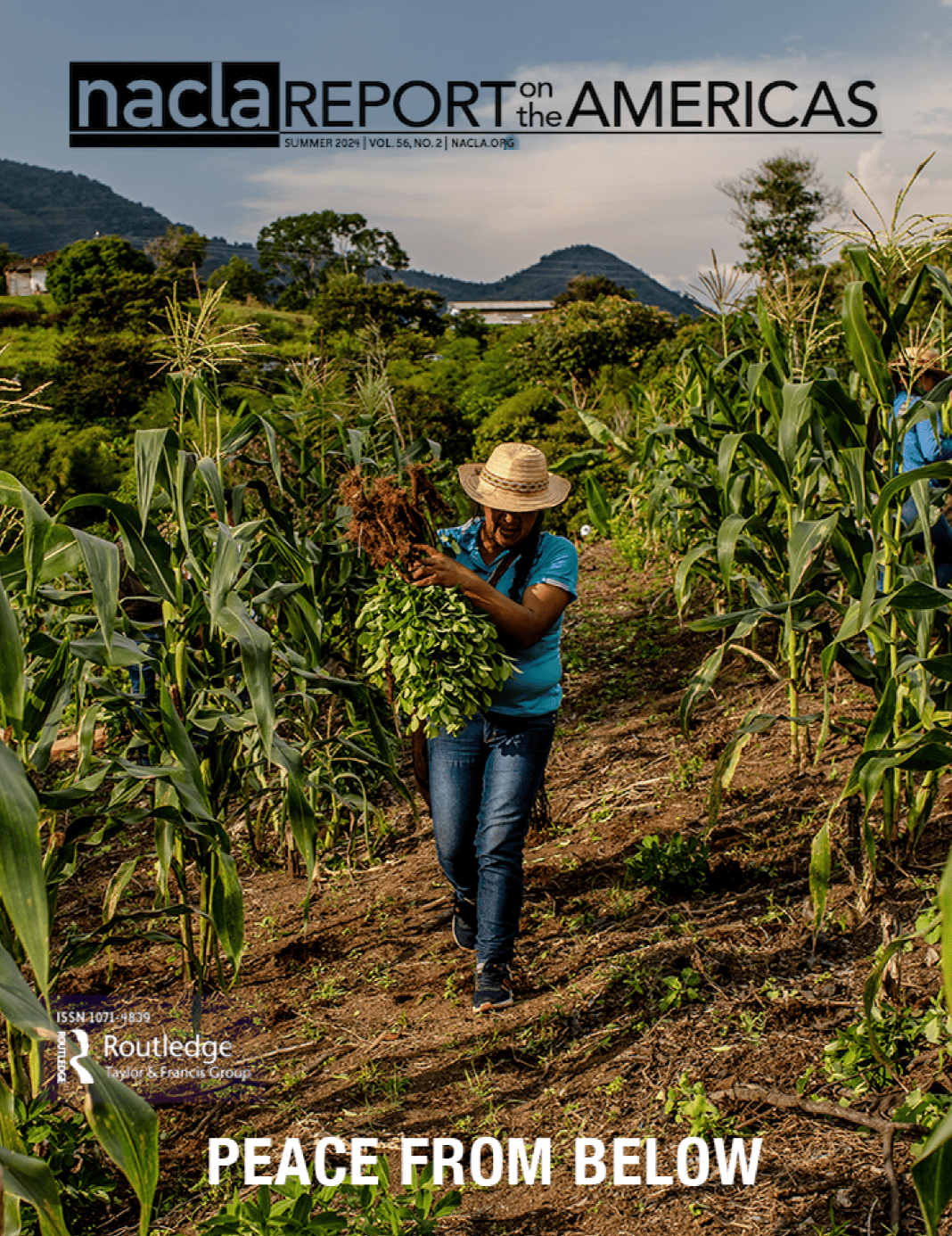
Subscribe now to receive NACLA’s fall 2026 issue, “Peace from Below,” examining the promises, achievements, and shortfalls of Colombia’s historic Peace Agreement signed a decade ago.
Guest edited by Anthony Dest and Diana Gómez Correal, the issue foregrounds the voices, analysis, and testimony of grassroots movements at the forefront of building peace, including former insurgents, buscadoras leading the search for the disappeared, victims of state violence, exiles displaced by the armed conflict, and campesino, Indigenous, and Afro-descendant communities that continue to confront multiple forms of violence at the hands of armed groups. At a critical moment, when an incoming far-right administration threatens to undo the hard-fought gains of the peace process, this collection centers the proposals, struggles, and demands of Colombians deeply committed to building peace from below.
If you haven’t done so already, SUBSCRIBE NOWto receive your issue in the mail. And, as always, please consider SUPPORTING THIS WORK.
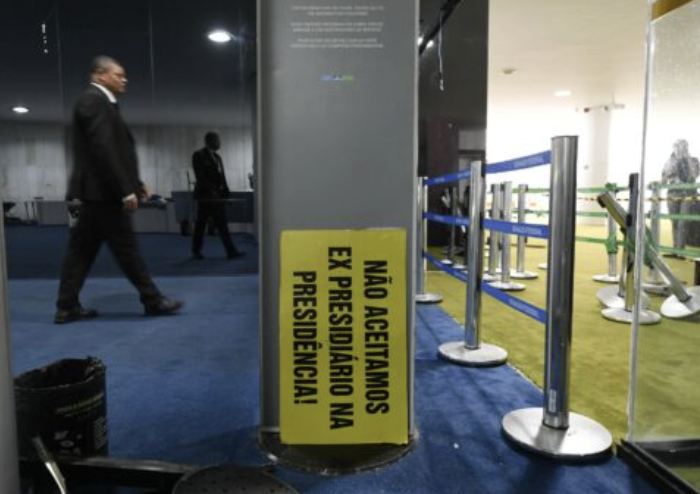
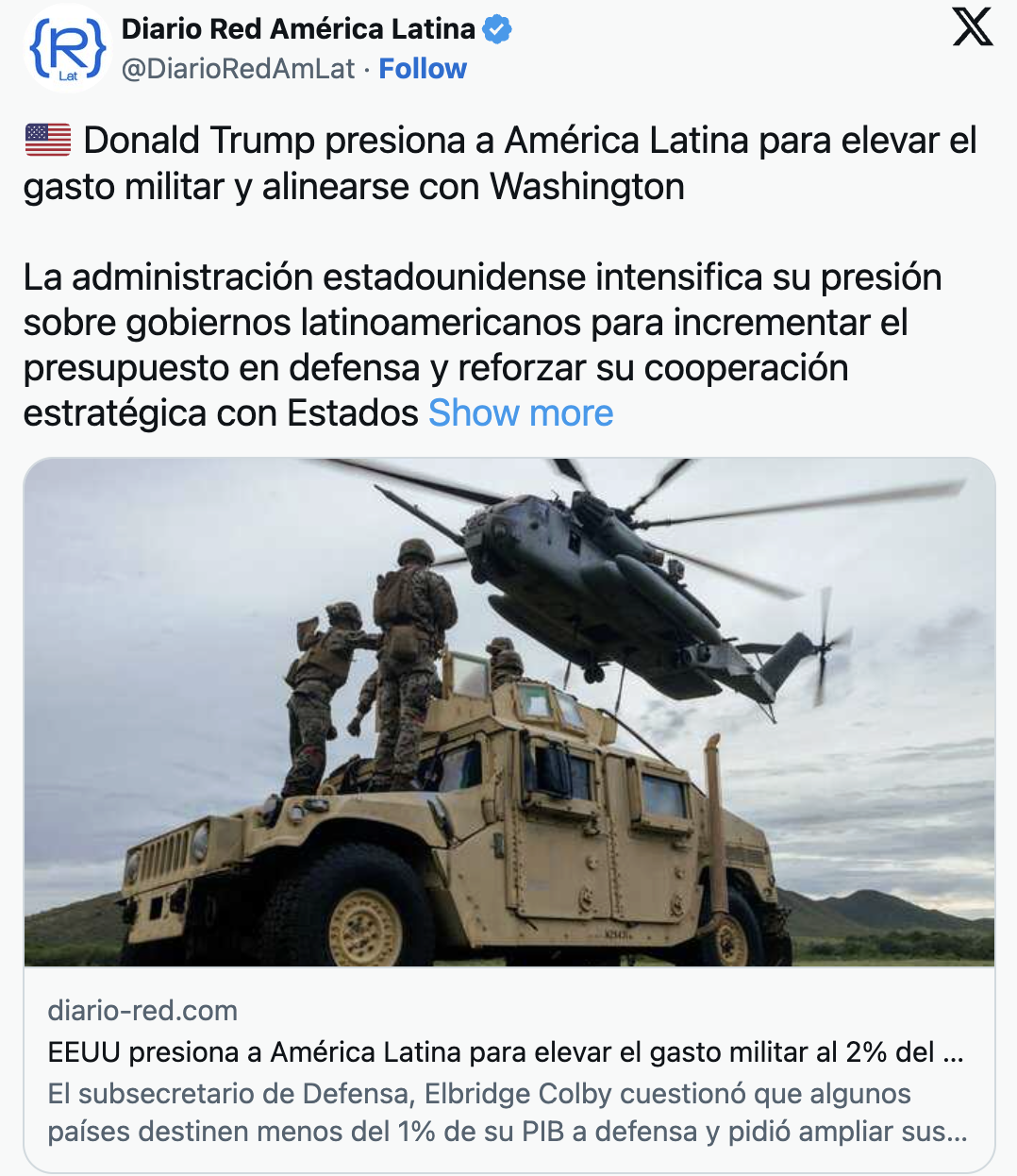
Few countries in the world have fought disinformation as actively as Brazil. Now, the United States is pushing to roll it back in the name of US-style “free speech.”
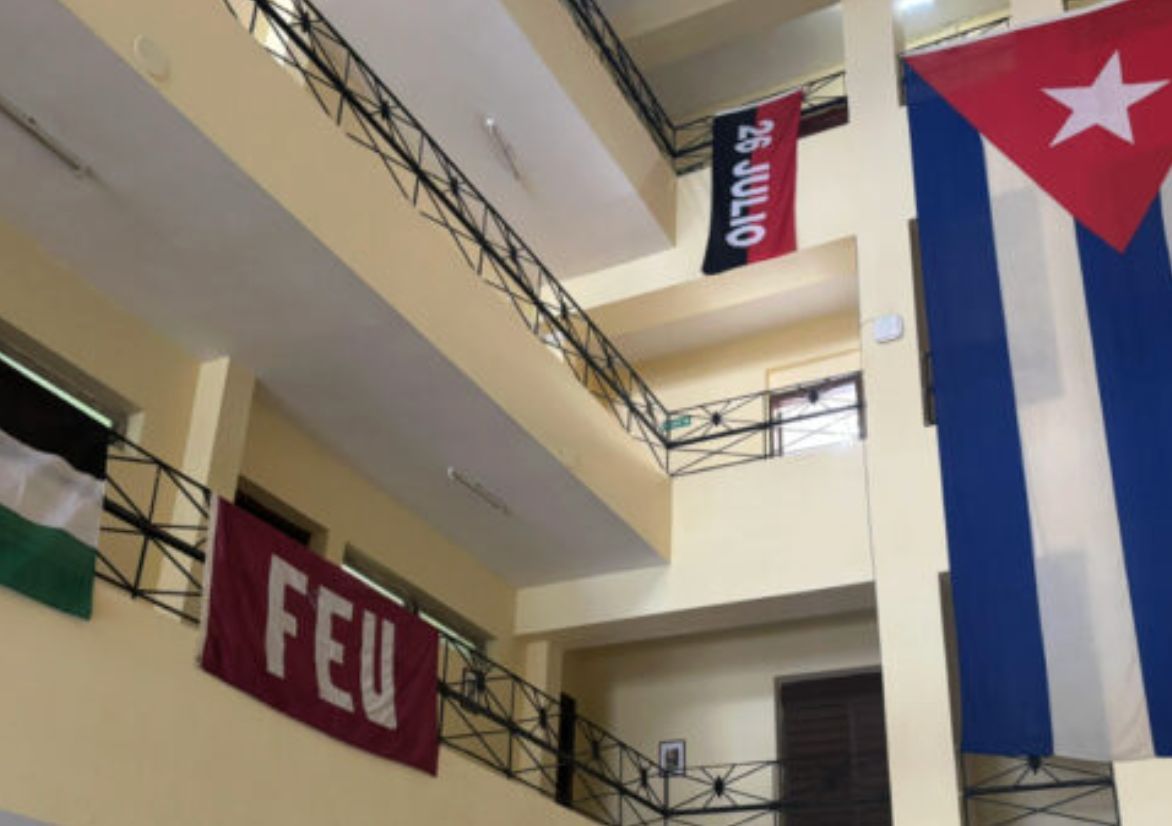
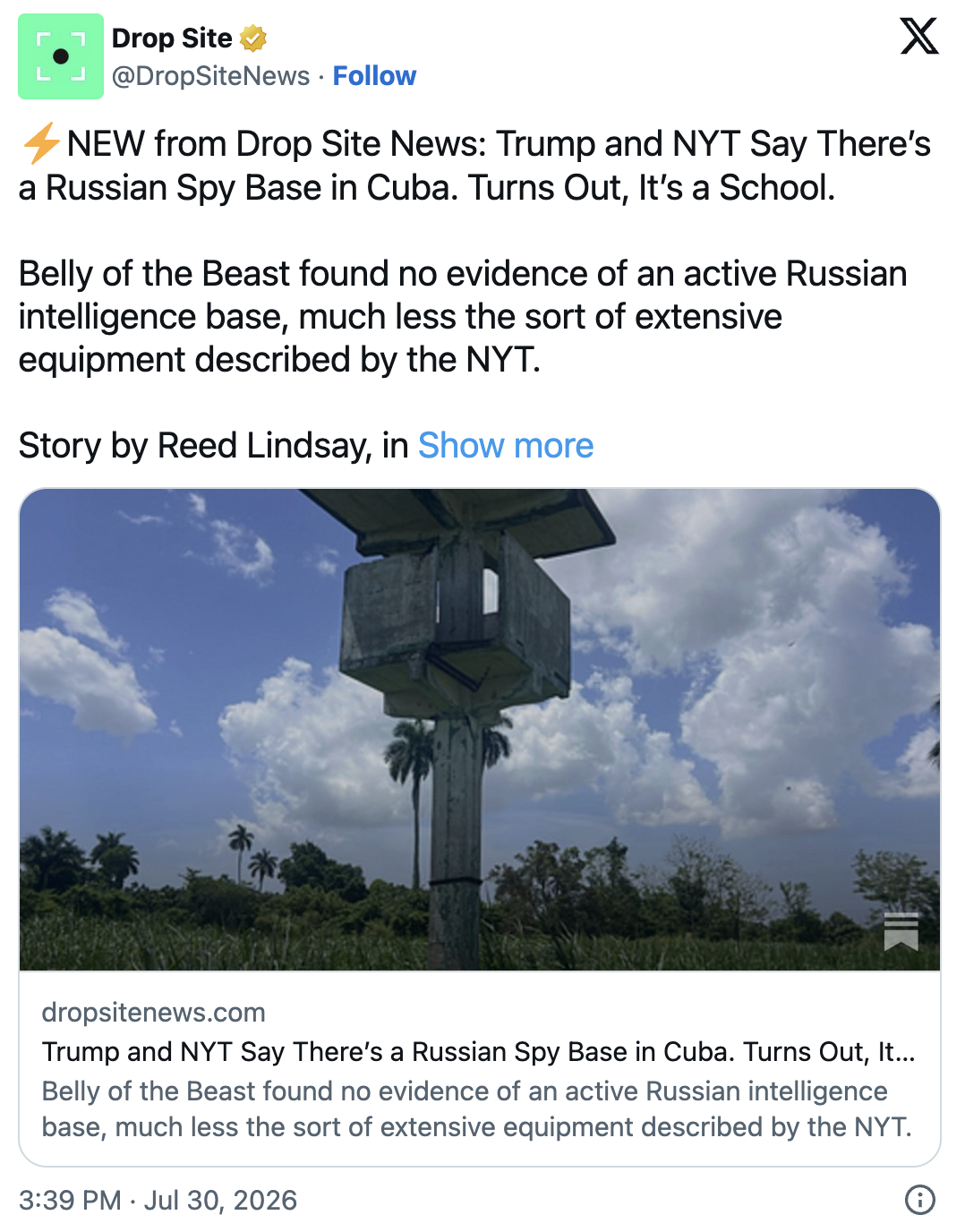
In the face of unprecedented hardships caused by a crippling U.S. oil blockade, Cuba’s students and teachers fight to carry forward the revolution’s long-running commitment to high-quality education.
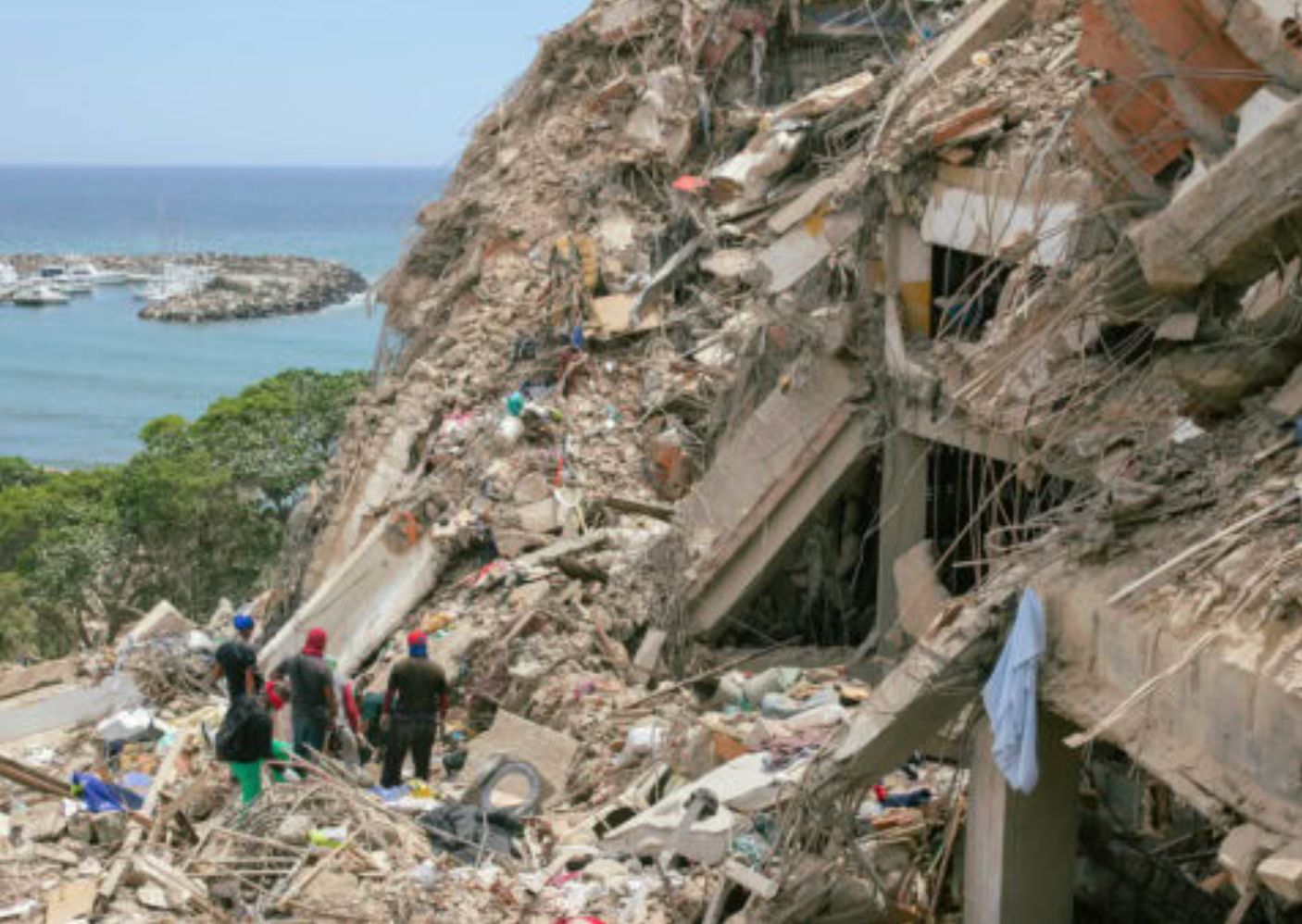
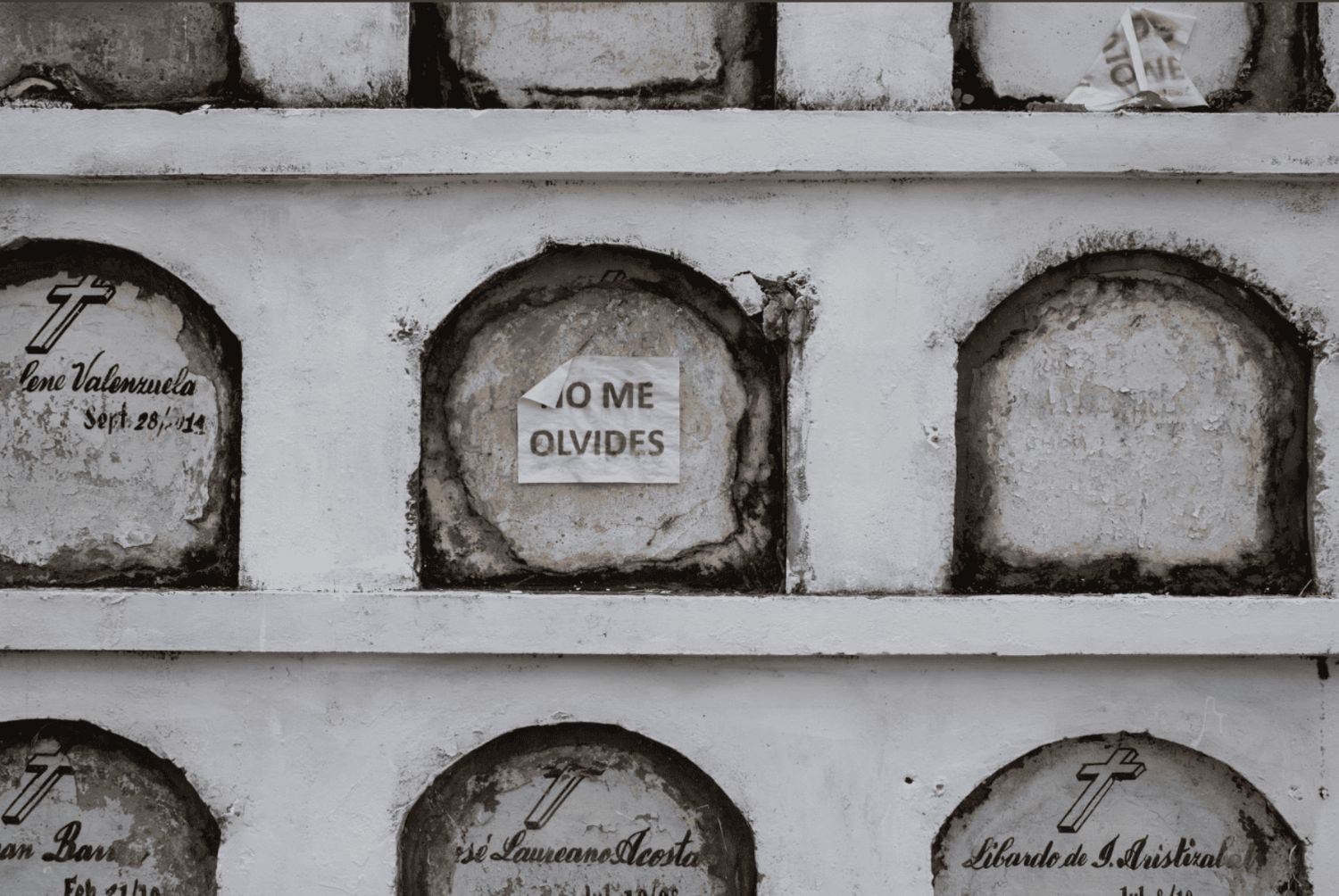
"Don't forget me." The Palmira Cemetery in southwest Colombia where former FARC insurgents and security forces are working together to safeguard and identify the remains of victim's of the country's armed conflict. For more on initiatives toward memory, truth, and reparations ten years after Colombia's Peace Agreement was signed, stay tuned for NACLA's forthcoming issue, "Peace from Below. (Viviana Peretti)
AROUND THE REGION
HAITIAN ELECTIONS AND TPS—Haiti’s first presidential elections in a decade were officially scheduled by the country’s provisional electoral council on Monday, though the vote remains contingent on an improved security conditions. The council set December 13 for the first round of presidential, legislative, and local elections, with a runoff planned for late February. The announcement provided a glimmer of hope in an otherwise dire situation: elections previously scheduled for August were postponed as the armed coalition Viv Ansamm tightened its control over most of Port-au-Prince. While the council announced earlier this month it was training security agents and registering voters, many analysts are skeptical that the security situation can improve enough for the vote to proceed as planned. Even as Haiti’s humanitarian crisis deepens, the Trump administration has moved to strip Haitians living in the United States of their Temporary Protected Status (TPS), though the legal situation remains fluid. While the Department of Homeland Security maintains that TPS protections expired on July 27 following a Supreme Court Decision, litigation continues, leaving more than 300,000 Haitian nationals vulnerable to deportation.
COLOMBIA’S FOREIGN POLICY SHIFT—Abelardo de la Espriella, Colombia’s incoming far-right president, announced a series of far-reaching foreign policy decisions on Sunday, invoking the language of efficiency and modernization to justify major diplomatic changes. In his video address, de la Espriella said he would close 14 Colombian embassies and 15 consulates due to their alleged high costs and “lack of concrete results.” While Colombia will maintain diplomatic relations with these countries, he said his administration would sever ties entirely with Cuba and Nicaragua, labeling them both “tyrannies.” In a further break with the foreign policy of outgoing President Gustavo Petro—a vocal critic of Israel—de la Espriella also suspendedplans to open a Colombian embassy to the Palestinian Authority in Ramallah, pledged to restore relations with Israel, and announced that its embassy would be moved from Tel Aviv to Jerusalem, a city claimed by both Palestinians and Israelis as their capital. The incoming administration also signaled its intention to deepen commercial ties with Salvadoran President Nayib Bukele, with whom Petro frequently sparred. During his campaign, de la Espriella cast himself as a Colombian “Bukele,” vowing to combat crime through expanded use of the military and the construction of new megaprisons.
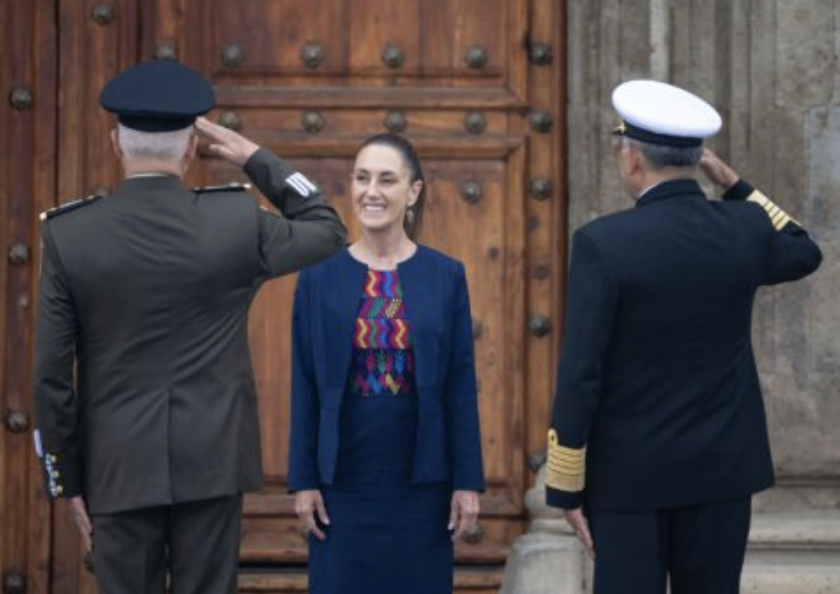
ARGENTINA STIRS CONTROVERSY—Argentina’s far-right President Javier Milei has sought to blame the recent global backlash against the country’s national soccer team—and, by proxy, the Argentina itself—on progressives in the region. In an interview on Sunday, Milei claimed that the “anti-Argentina” campaign was financed by the U.S. Democratic party and the governments of Mexico and Brazil. The surge of anti-Argentine sentiment, which saw fans across the worldactively rooting against Argentina, initially stemmed from the team’s aggressive style of play, accusations of unfair conduct, and racist behavior by some team members and fans. The conversation quickly spiralled into a wider debate over Argentina’s history, national identity, and persistent problems with racism, with critics portraying the country as a predominantly, white society that has long marginalized its Indigenous and Afro-descendant populations.Milei’s accusations of foreign interference were quickly rejected by Mexican President Claudia Sheinbaum. Brazil’s leader Luiz Inácio “Lula” da Silva, meanwhile, is locked in his own dispute with Milei, who recently insulted Lula while campaigning alongside right-wing candidate Flávio Bolsonaro in São Paulo, prompting Brazil to recall its ambassador to Argentina.
BRAZIL-U.S. TENSIONS—Diplomatic tensions between the Trump administration and Brazilian President Luiz Inácio “Lula” da Silva continue to escalate. On Wednesday, Lula confirmed that his government had recently denied visas to two U.S. officials who had planned to monitor Brazil’s October elections, accusing them of seeking to “meddle” in the country’s internal affairs It also emerged this week that the Brazilian government is withholding its approval of the Trump administration’s pick for U.S. ambassador, Daniel Perez, reportedly because Washington failed to consult Lula’s administration before announcing the nomination, a customary step in the diplomatic process. Although Perez has yet to be confirmed by a full U.S. Senate, he has already appeared before the Senate Foreign Relations Committee and is widely expected to win confirmation. Even then, he will not be able to assume the post without the Brazilian government’s approval. During his committee hearing, Perez was pressed about the Trump administration’s recent move to impose new tariffs on Brazil, a policy with which he said he was not involved.