A clearer picture of the U.S. role in Venezuela’s governance since the Trump administration kidnapped former President Nicolás Maduro has emerged in recent weeks. A New York Times investigationon Secretary of State Marco Rubio’s extraordinary influence over the country’s affairs, tentative negotiations between the interim government and the opposition, and a slew of free-market reforms all point to the same conclusion: the Trump administration is treating Venezuela as nothing short of a colony.
The Times report makes the comparison explicit. Rubio’s grip on the country is so extensive that Trump administration officials have begun referring to him as the country’s “viceroy,” invoking a title formerly given to governors of the Spanish empire in its colonies. Seven months on from the January invasion, Rubio’s authority over Venezuela has few precedents in recent U.S. history; analysts have likened his role to that of Paul Bremer, the U.S. administrator installed in Iraq after the 2003 U.S. invasion. At the time, he famously proclaimed that he was “now officially the government of Iraq.”
Much the same could now be said of Rubio’s role in Venezuela. Following the invasion, the interim government of President Delcy Rodríguez faced an impossible choice: cooperate with the Trump administration or face wider military attacks. Since then, Rodriguez Maduro’s former vice president and the sister of National Assembly leader Jorge Rodríguez— has cultivated a working rapport with Trump administration officials, exchanging Whatsapp messages and selfies with Rubio, praising Trump on social media, and implementing a series of policy changes favored by Washington.
Central to the whole operation is Rubio, who effectivelycontrols the country’s finances, natural resources, and many aspects of governance itself. The Times describes a scheme in which Washington doles out Venezuela’s own oil revenue “like an allowance,”while retaining final say over personnel decisions, public messaging, and foreign policy. The report also links a wide swath of recent developments—including hydrocarbon reforms,preferential access to U.S. energy companies, the arrest of former Maduro allies, U.S.-Venezuelan joint military operations,and even the government’s decision to negotiate with the opposition on a roadmap toward an eventual democratic transition—to direct pressure from the U.S. administration.
Venezuela undoubtedly needs large-scale reconstruction in the wake of the recent earthquakes, just as it requires political reforms following the U.S. invasion, Maduro’s kidnapping, and the installation of Rodriguez as the new leader. But reforms carried out under the shadow of military intervention and effective U.S. control cannot claim legitimacy. Instead, they further erode Venezuelan sovereignty precisely when it is most vulnerable.
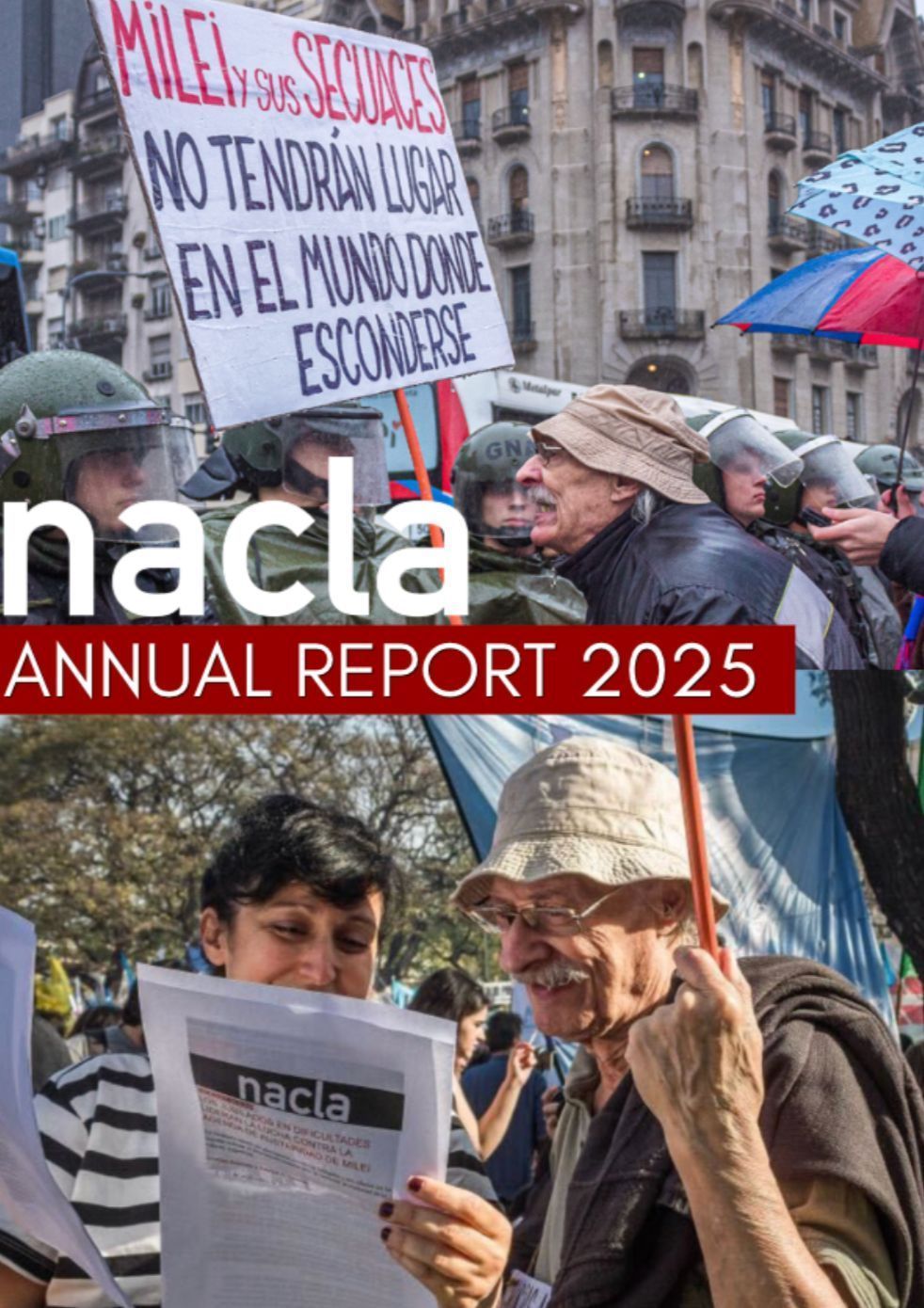
We’re pleased to share NACLA’s 2025 Annual Report. As you’ll see, reduced institutional funding meant that our expenses outpaced our revenue in 2025. Currently, only 4 percent of Naclistas make a financial contribution to support our work. Can you help us close that gap by becoming a monthly contributor today?
We're launching a reader survey to better understand our community! We'd love to hear what you think! The survey takes just 5–10 minutes to complete, and you'll be entered to win a one-year digital subscription to the NACLA Report and some NACLA swag. 📗😎
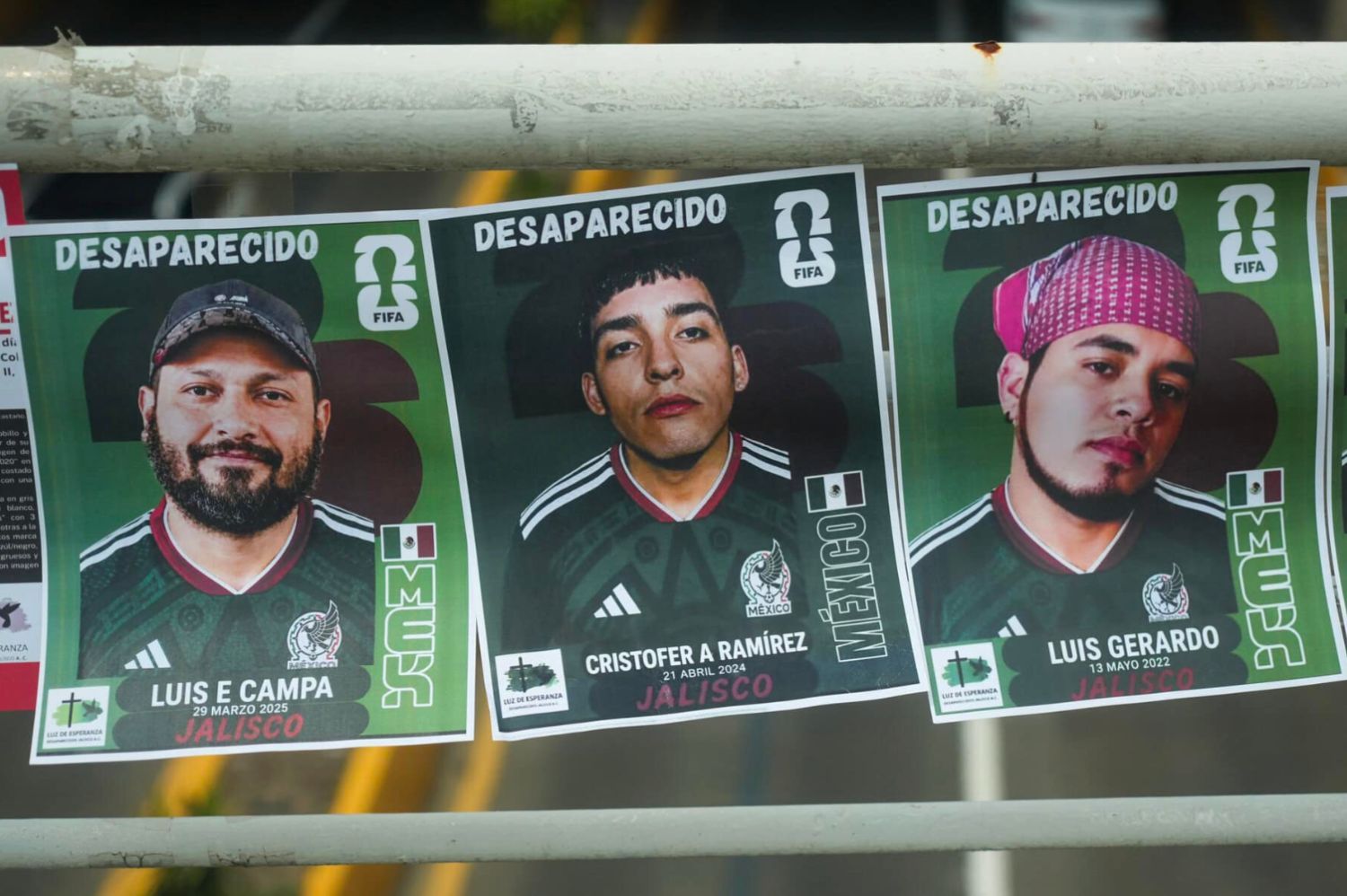
Fútbol has always belonged to the people, no matter how deeply FIFA’s elites may want it to be otherwise.
In this selection of articles, NACLA contributors cover the intersection of fútbol and politics from a wide variety of angles. Read on to learn more about historical attempts to boycott the World Cup; the way social movements have used the event as a means to advance their causes, and the ties between fútbol and historical memory in Latin America
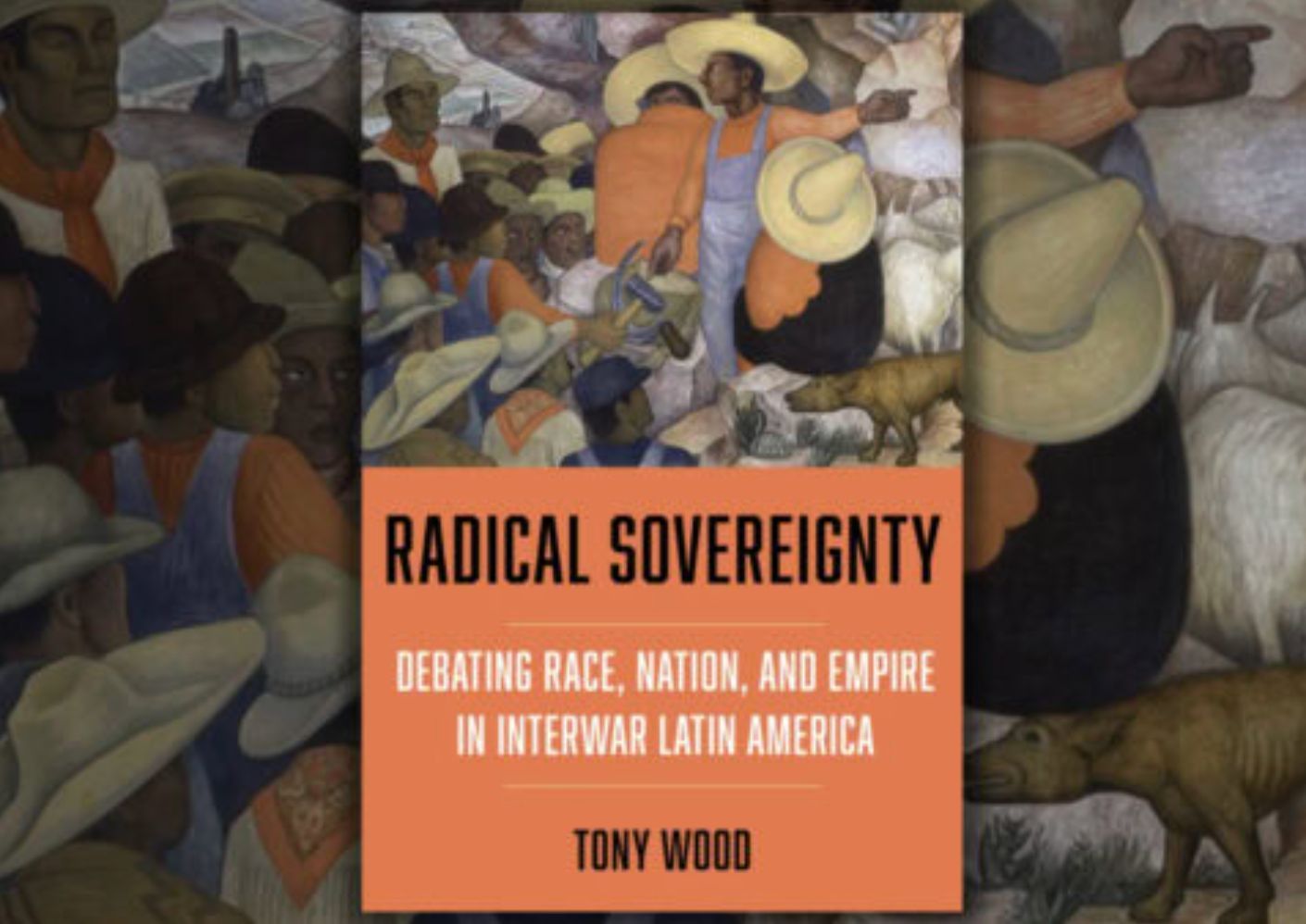
Tony Wood’s book looks at how Latin American radicals debated race, nation, sovereignty, and imperialism during a crucial period of the region’s history, with attendant lessons for today.
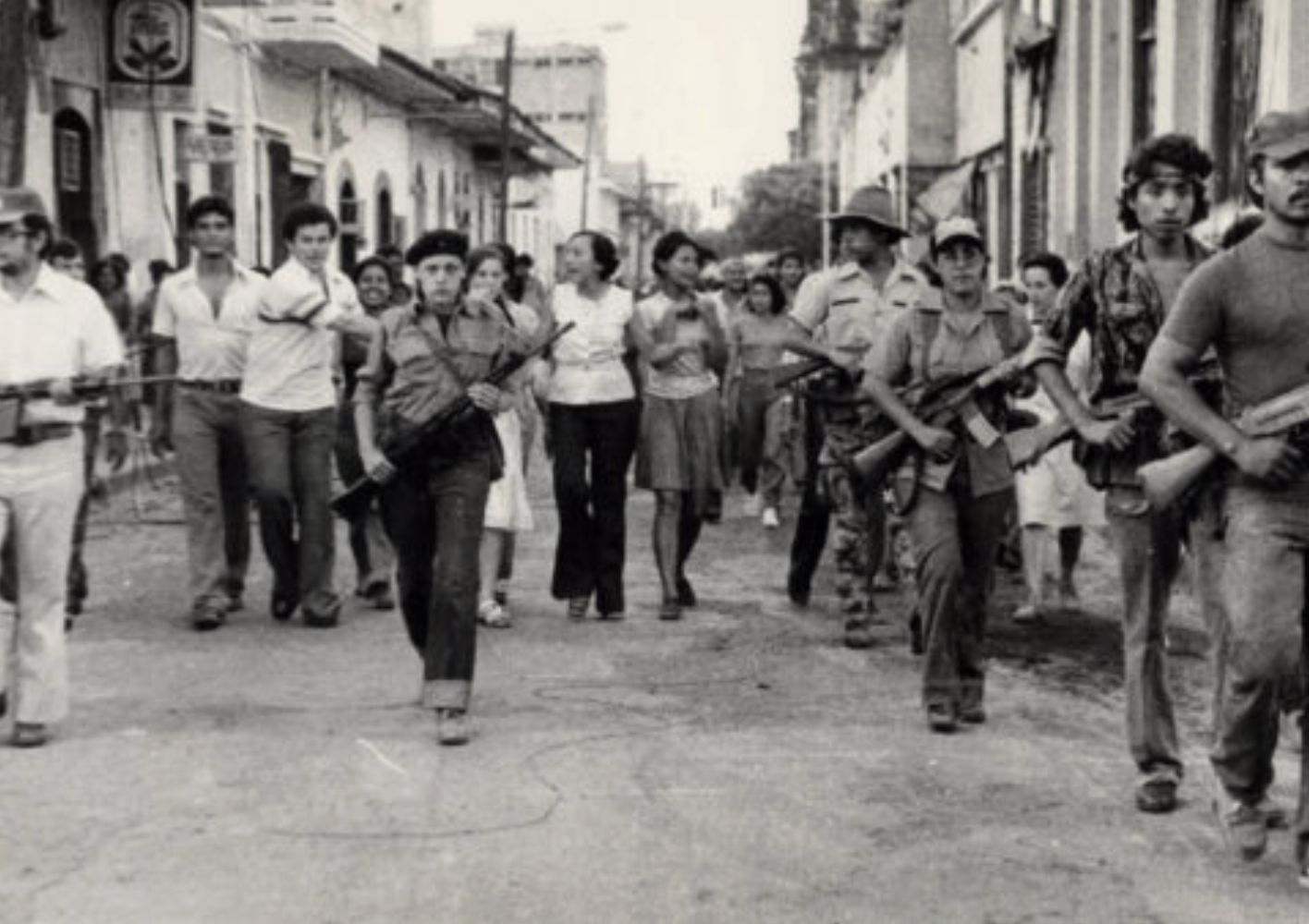
Ahead of the 47th anniversary of the Sandinista victory in Nicaragua, former comandante Dora María Téllez details how the movement lost its way—and how the future can be reclaimed.
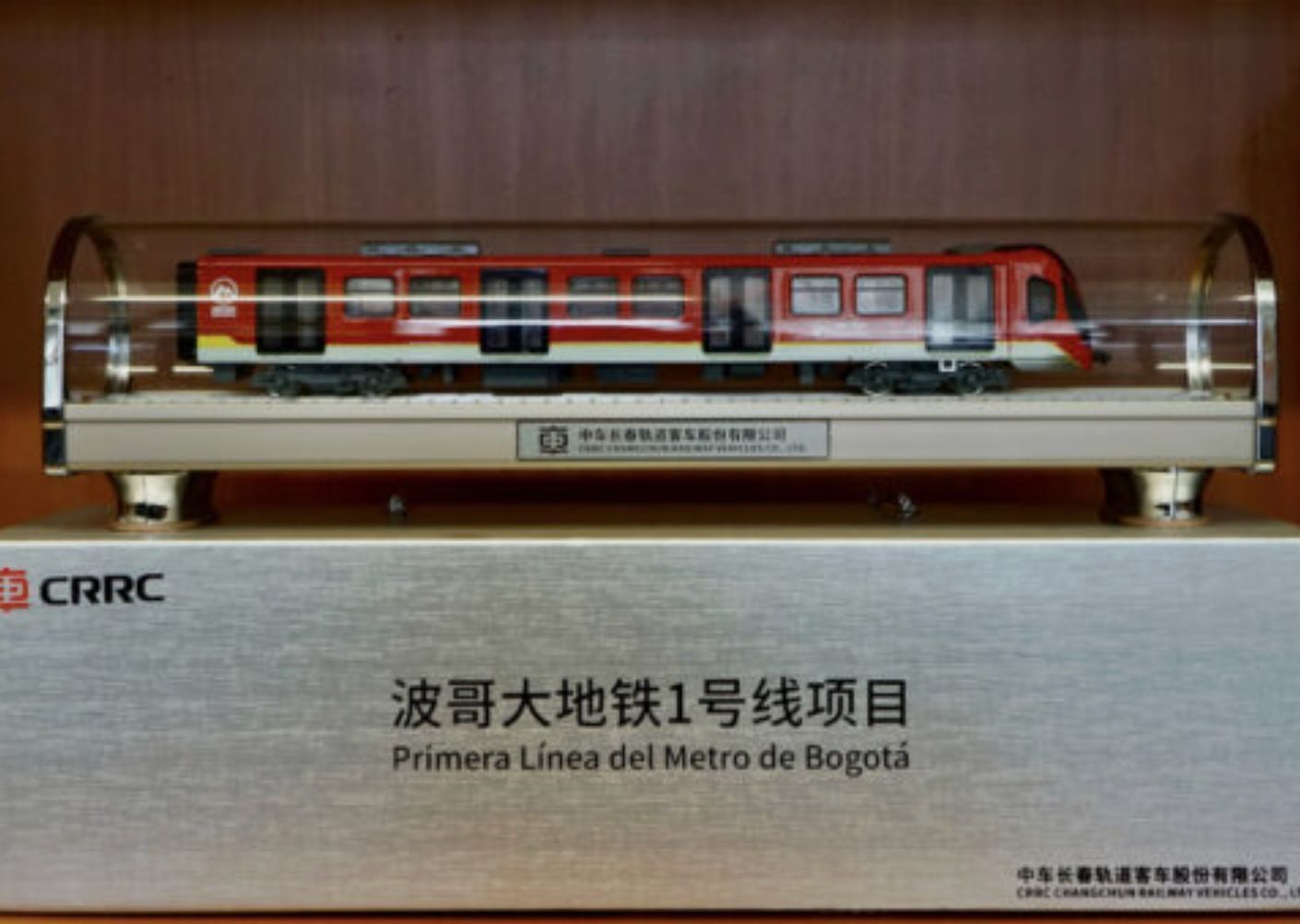
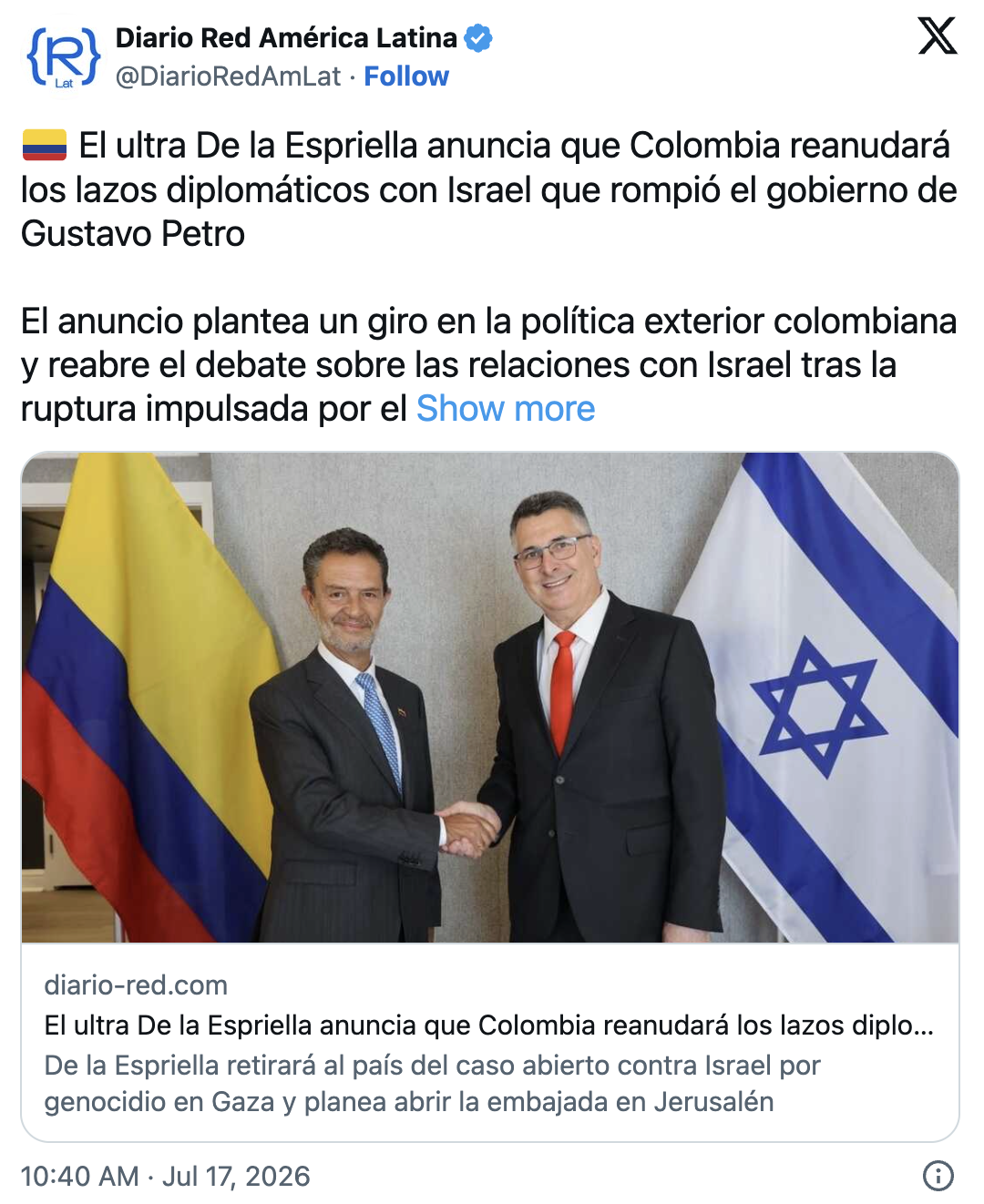
As Chinese investment reshapes Colombia's infrastructure, the country's longstanding alliance with the United States enters a new era of strategic balancing.
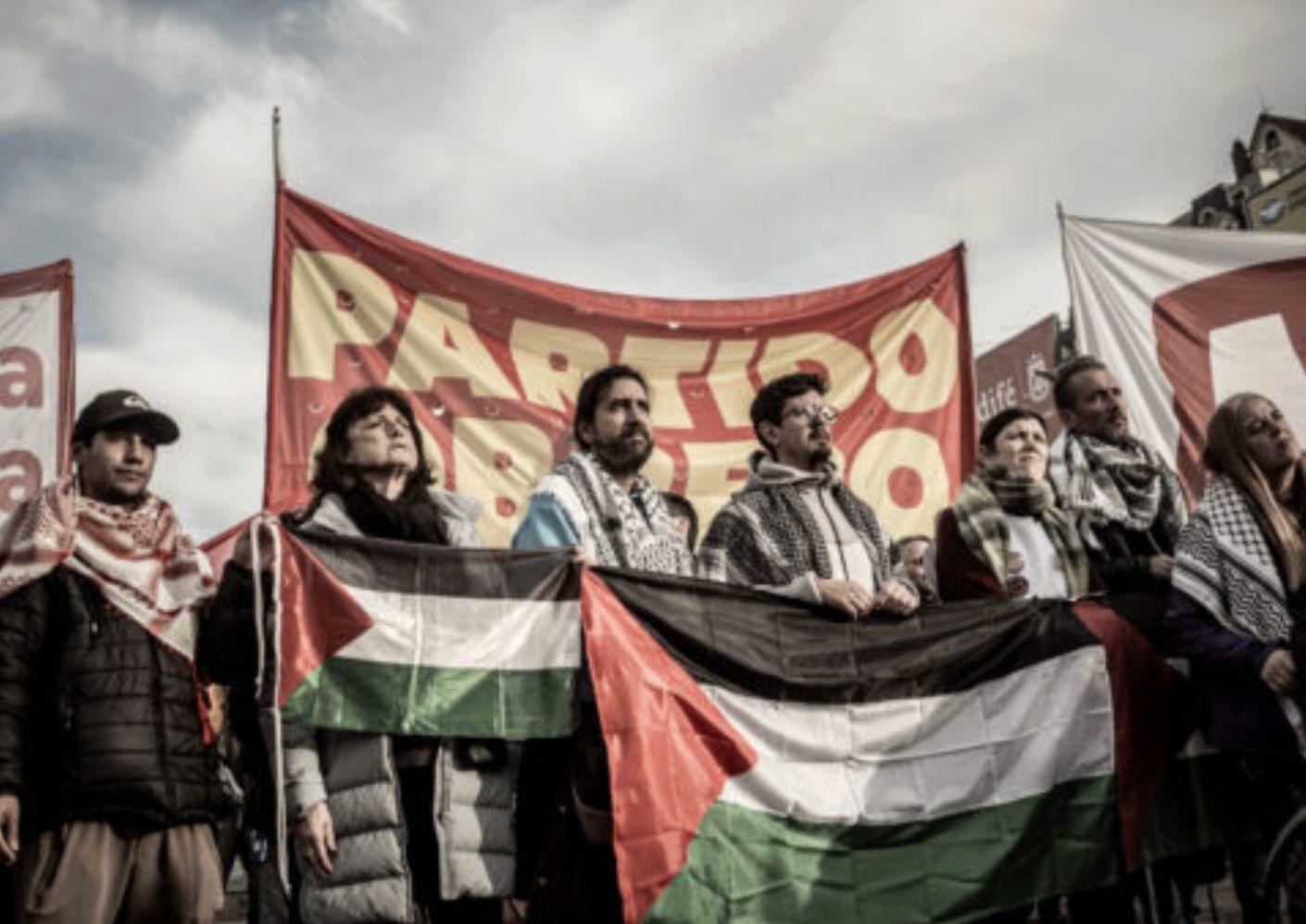
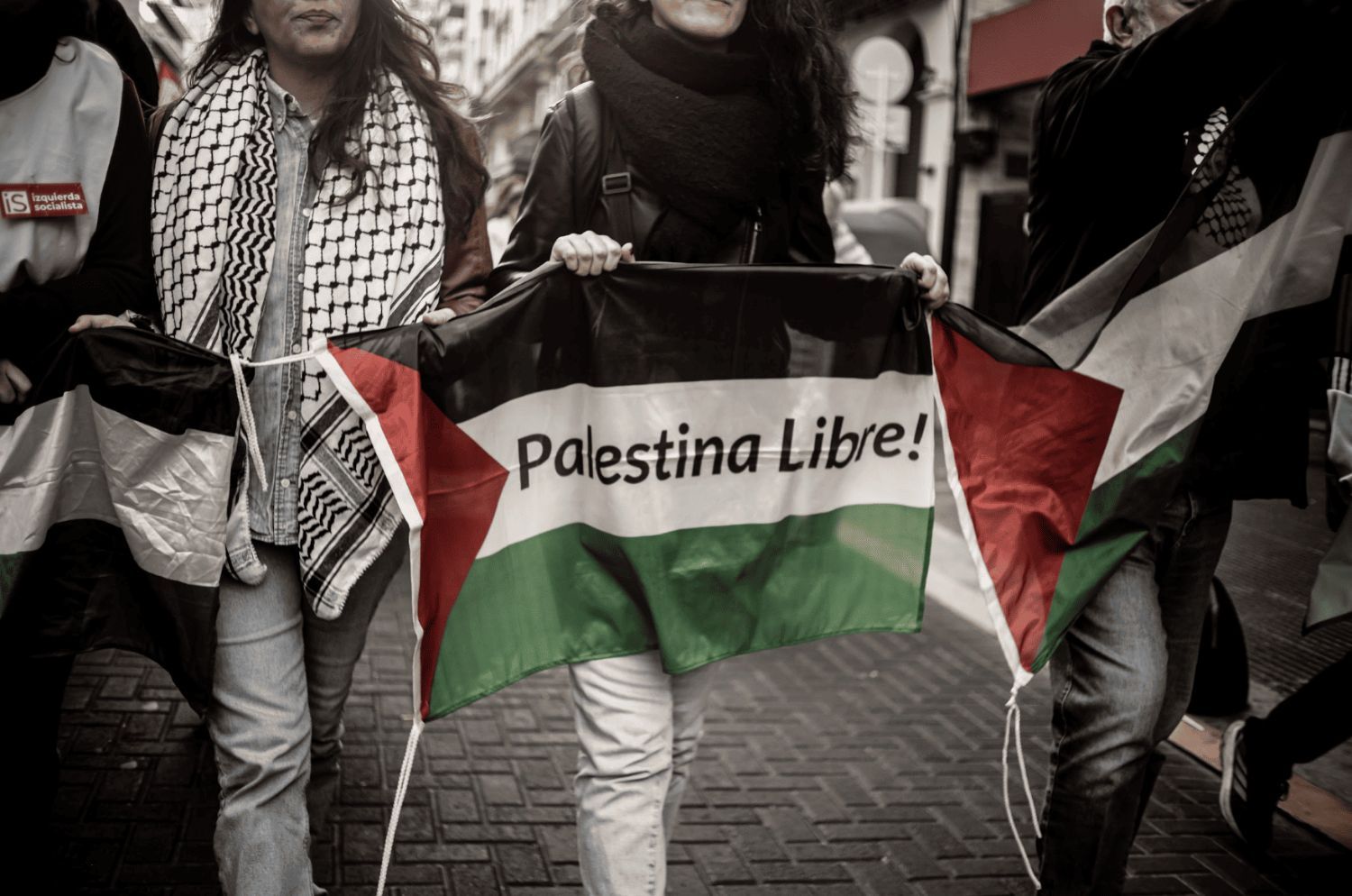
As the country’s far-right Zionist president seeks to deepen ties with Israel, Argentine activists in solidarity with Palestine have been left to pay the price.
Mientras México es coanfitrión del Mundial, la CNTE libra una lucha más amplia por el control de la riqueza, las instituciones públicas y el futuro de la nación.
Una conversación con Romina Resuche y Zahara Gómez Lucini sobre la colectivización, el archivo vivo y el deseo de poner la memoria en común
IMAGE OF THE WEEK
Argentine activists participate in a Palestine solidarity march. Read more about Argentina's Palestinian solidarity movement, as well as the state's deepening ties with Israel, in Ella Fernández's article, "Tortured by Israel, Abandoned by Argentina." (Ella Fernández)
AROUND THE REGION
ANOTHER ICE MURDER—Joan Sebastian Guerrero, a 25-year-old Colombian man who was legally living in the United States with his wife and 3-year-old daughter, was killed by ICE agents on Monday in a small town in Maine. Guerrero’s killing, which triggered protests across the state, came less than a weekafter ICE murdered Lorenzo Salgado Araujo, a Mexican national and 52-year-old father of three, in Houston. As in Salgado Araujo’s case, officers had been looking for someone else when they stopped Guerrero. After his car was stopped by an unmarked ICE vehicle, a novice officer fired five shots into his vehicle before his lifeless body was dragged from the car and handcuffed. While video footage of the immediate lead-up to the shooting has not yet been released, the Department of Homeland Security’s claim that the agent had fired out of fear for public safety has been met with widespread skepticism, given the agency’s documented history of false or misleading statements about fatal shootings. In response to the incident, the Trump administration ordered ICE to suspend most traffic stops—although the move was overturned by Trump on Wednesday. Colombian President Gustavo Petro denounced the “murder of a Colombian” at the “hands of the U.S. government” and demanded that the "murderers pay for their homicide.”
U.S.-MEXICO TENSIONS—During remarks at the Fentanyl Free America Summit,” DEA administrator Terry Cole, declared that the Mexican government and drug cartels were “one in the same.” Mexican President Claudia Sheinbaum dismissed the claims as “unfortunate,” “political,” and damaging to joint U.S.-Mexico anti-drug efforts. The spat came amid escalating tensions over Washington’s decision to bring drug trafficking and weapons charges against a slew of Mexican officials, including Sheinbaum ally and Sinaloa Governor Ruben Rocha Moya. While Sheinbaum has called on the United States to provide evidence of wrongdoing, former President Andrés Manuel López Obrador has accused the Trump administration of using sham charges to weaken Mexico’s ruling leftist party. Tensions have also been mounting over ICE violence against Mexican citizens. Following the murder of Lorenzo Salgado Araujo, Sheinbaum announced that Mexico was filing criminal charges in U.S. courts on behalf of the 17 Mexican citizens killed by ICE—14 while in detention and three in field operations.
CUBAN BLACKOUTS AND U.S. PRESSURE—Cuba was left without power again on Tuesday as another blackout struck the island—the third collapse of its fragile electrical grid in less than two weeks under the strain of the crippling U.S. oil blockade. The situation has become so dire that even members of Congress are invoking genocidal comparisons: following a recent visit to Cuba, four Democratic congressmembers warned that the energy embargo was turning the island into a “silent Gaza.” Yet rather than easing pressure, the Trump administration has ratcheted up its campaign against Cuba. This week, the U.S. once again invoked dubious intelligence alleging Cuban use of “Iranian drones” to threaten military action; CBS News reported that senior defense officials are considering a range of military options against the island; and the administration announced plans to escalate its attacks against solidarity activists like Code Pink co-founder Medea Benjamin and People’s Forum founder Manolo de los Santos, accusing them both of being directly sponsored by the Cuban government.
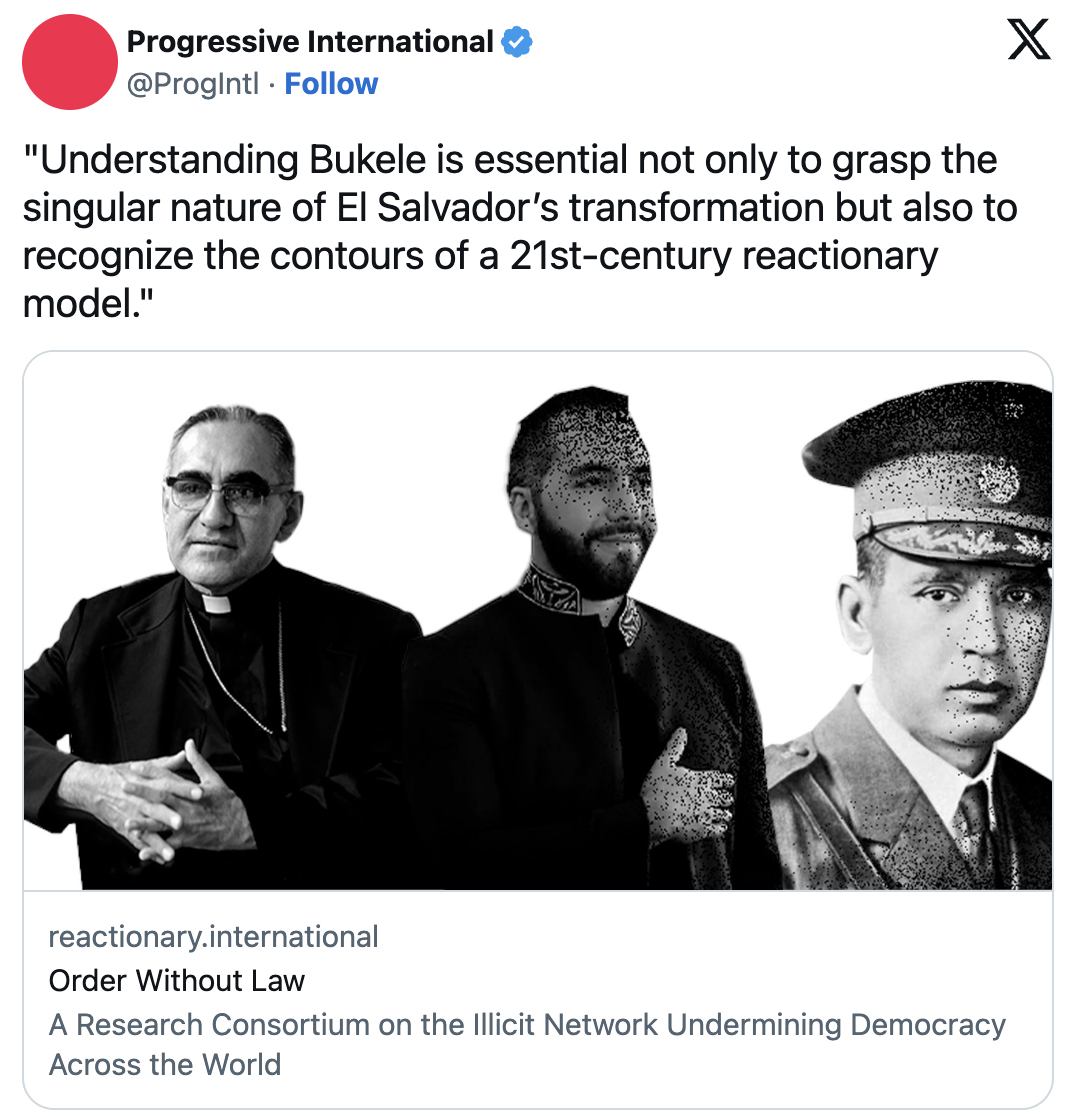
BUKELE’S THIRD TERM—Salvadoran strongman Nayib Bukele cleared the final hurdle to running for a third term in the country’s 2027 presidential elections, securing the ruling Nuevas Ideas party’s formal nomination after winning an uncontested internal primary. Bukele will run once again alongside Vice President Félix Ulloa in an election in which, given current polling, victory is all but certain. Bukele’s bid was made possible by constitutional changes pushed through in July by the Nuevas Ideas-controlled Legislative Assembly, which extended presidential terms from five to six years, eliminated the second round run-off, and authorized indefinite election. The electoral reform package also shortened Bukele’s current term by two years so that presidential and legislative elections would coincide. It was only the latest in a series of attacks on the country’s democratic institutions by the Nuevas Ideas party. In 2021, shortly after the Legislative Assembly convened, the ruling bloc illegally replaced the magistrates of the country’s constitutional courts, which months later cleared the way for Bukele’s unconstitutional 2024 reelection by overturning the country’s longstanding ban on consecutive terms. As he has before, Bukele defended his candidacy by arguing that El Salvador was simply adopting a practice common in other countries that permit indefinite reelection.