The Trump administration’s immigration crackdown was responsible for yet another fatality this week as Immigration and Customs Enforcement (ICE) officers shot and killed Lorenzo Salgado Araujo, a Mexican national and father of three, in Houston. His murder, at least the eighth death directly linked to Trump’s immigration enforcement, came amid a dramatic escalation of the government’s wider assault on migrants’ rights. Intensified raids, attacks on Temporary Protected Status (TPS), new detention facilities, and deportations to increasingly vulnerable countries like earthquake-struck Venezuela all underscore that Trump’s ethnonationalist project shows no signs of slowing down.
Salgado Araujo, a construction worker who had lived in the United States for decades, was shot Tuesday while driving to work. Though irrelevant to whether anyone deserves to live or die, he had no criminal convictions. ICE officers claimed, without providing evidence, that Salgado Araujo had attempted to ram officials with his vehicle, prompting an agent to fire his weapon in self-defense. He was shot in the abdomen and reportedly left moaning on the ground as three other men were detained, and died later at a nearby hospital.
News of Salgado Araujo’s death sparked immediate outrage in Houston, while his family, Texas Democratic lawmakers, and advocates demanded an independent investigation. The Mexican government announced on Thursday that it would seek criminal charges over the deaths of 17 Mexican citizens who have died in ICE custody or during immigration enforcement operations—a dramatic escalation that marked a stark departure from its previous strategy of diplomatic complaints and support for victims’ families. President Claudia Sheinbaum described the killing as “targeted” and said that her government would do “everything in its power” to pursue accountability for the deaths of people whose “only crime is working honestly in the United States.” The FBI, meanwhile, has sidelined local officials and announced that it would investigate whether Salgado Araujo had assaulted officers; the Department of Homeland Security will conduct a separate review of the shooting, though if past cases are any precedent, justice will be hard to come by.
The shooting came as the administration sharply accelerated immigration enforcement nationwide. In late June, ICE arrests nearly doubled, with roughly 10,000 people detained over five days, spreading fear through migrant communities across the country. The number of people vulnerable to deportation is likely to skyrocket soon given a recent Supreme Court ruling that authorized the Department of Homeland Security to strip TPS protections for 350,000 Haitians and 6,100 Syrians while broadly limiting judicial review of future TPS determinations. The ruling places the legal status of as many as 1.3 million migrants in jeopardy.
The administration has also continued to deport migrants to countries ill-equipped to receive them. Earlier this month, 146 Venezuelans were deported mere hours before two devastating earthquakes struck the country; the majority are now feared dead, crushed under the rubble of the state holding facility where they were being held. Meanwhile, not satisfied by his administration’s fascist advances, Trump announced that he would ask the Supreme Court to reconsider its decision to uphold birthright citizenship, though the Court has only once reversed itself after rehearing a case.
We’re pleased to share NACLA’s 2025 Annual Report. As you’ll see, reduced institutional funding meant that our expenses outpaced our revenue in 2025. Currently, only 4 percent of Naclistas make a financial contribution to support our work. Can you help us close that gap by becoming a monthly contributor today?
We're launching a reader survey to better understand our community! We'd love to hear what you think! The survey takes just 5–10 minutes to complete, and you'll be entered to win a one-year digital subscription to the NACLA Report and some NACLA swag. 📗😎
Fútbol has always belonged to the people, no matter how deeply FIFA’s elites may want it to be otherwise.
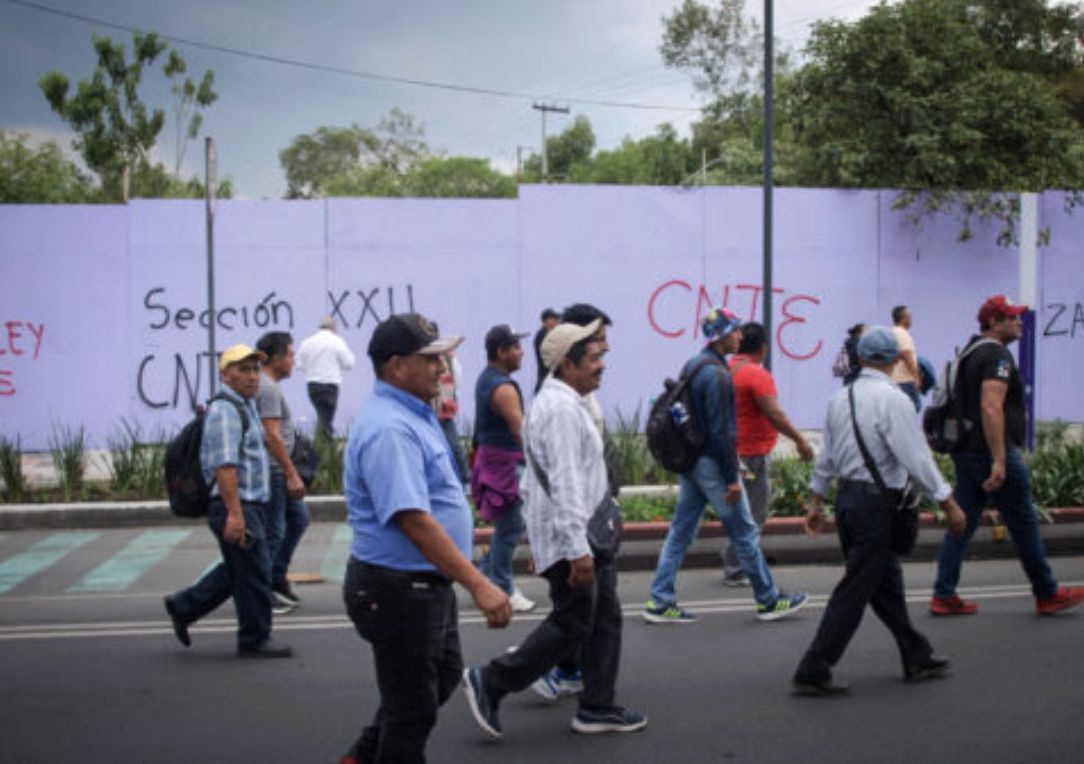
In this selection of articles, NACLA contributors cover the intersection of fútbol and politics from a wide variety of angles. Read on to learn more about historical attempts to boycott the World Cup; the way social movements have used the event as a means to advance their causes, and the ties between fútbol and historical memory in Latin America
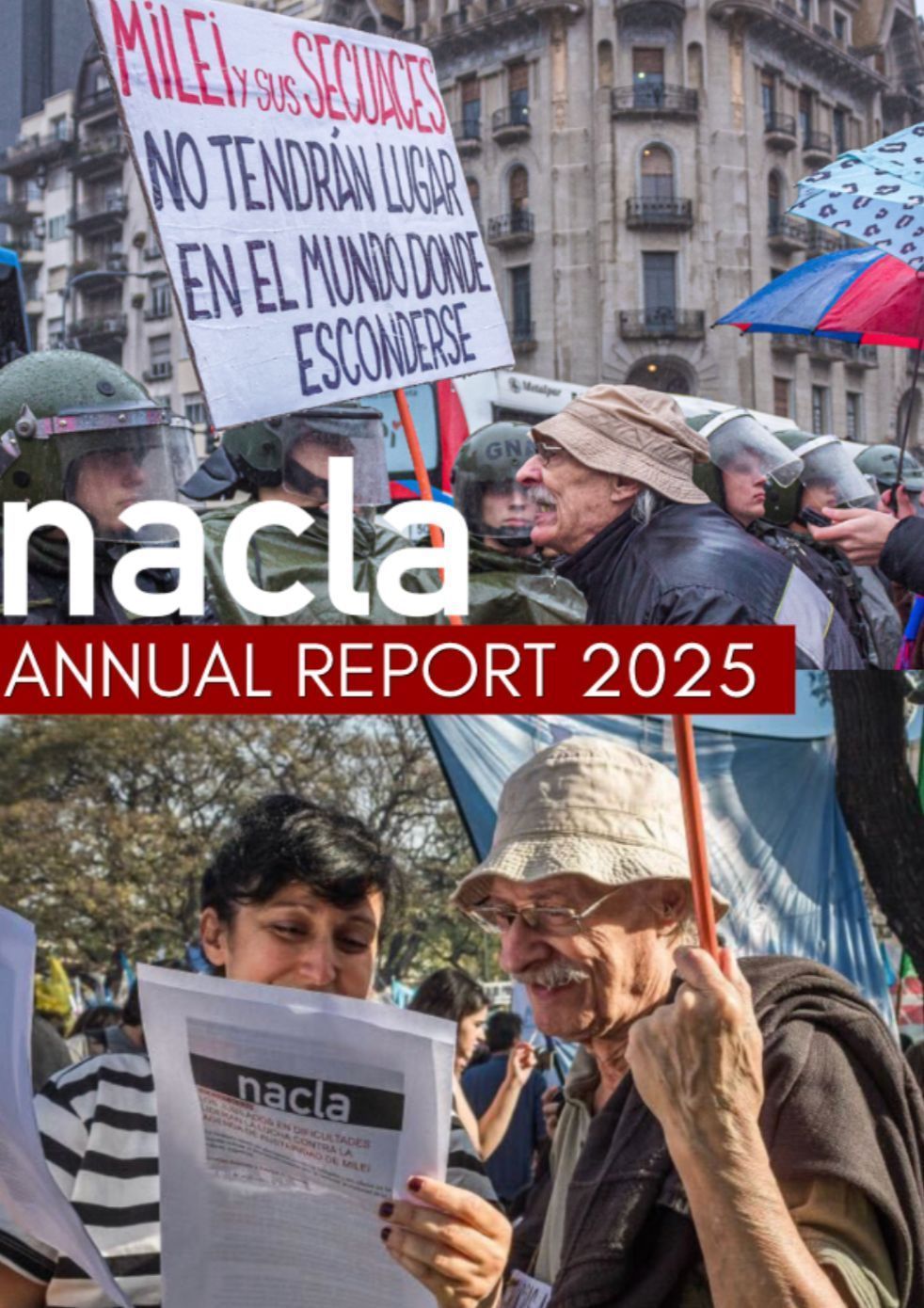
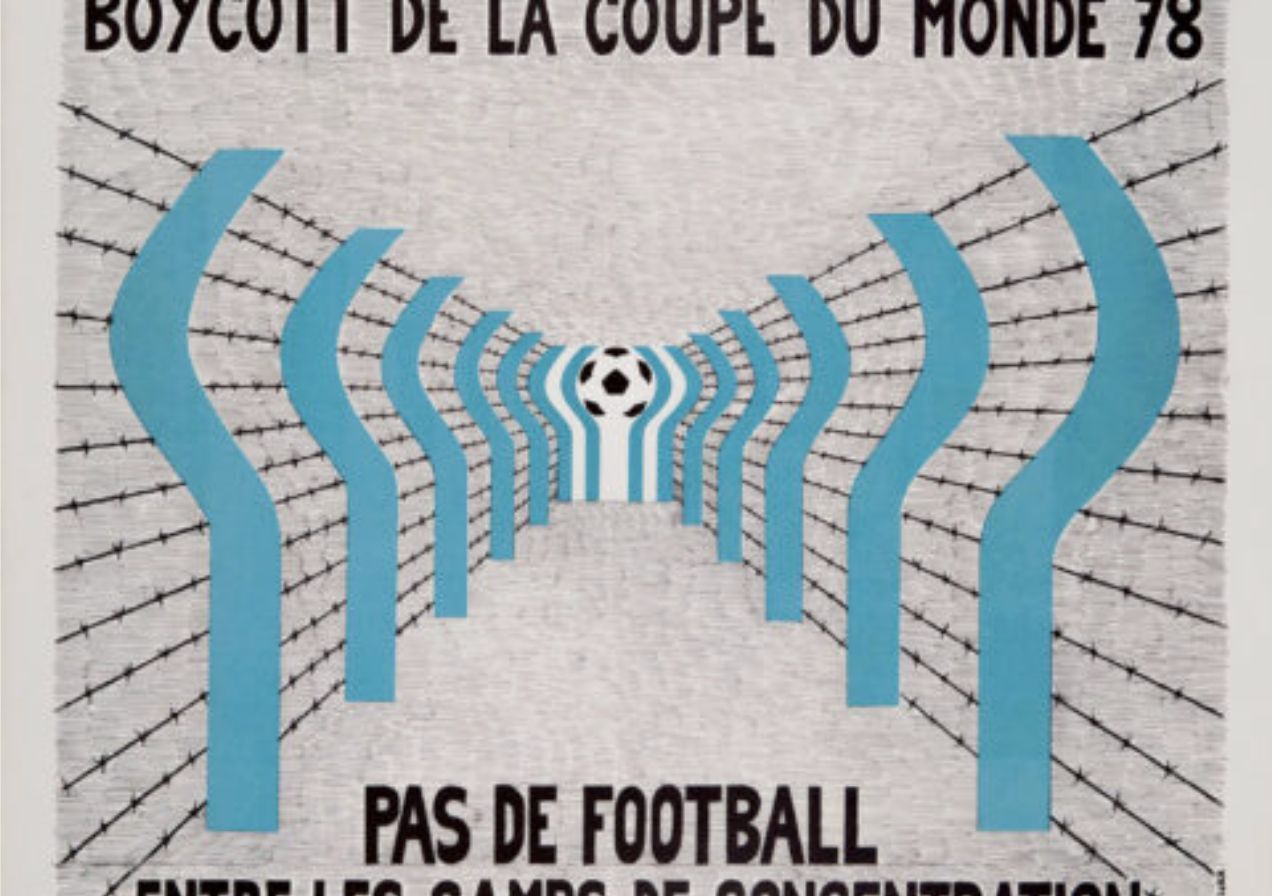
The 1978 World Cup, hosted by Argentina’s military dictatorship, spawned powerful calls for a boycott, demands that echo today in the U.S. as social movements confront rising authoritarianism through fútbol
A conversation with Michael Fox on building an immersive podcast about U.S. intervention in Latin America and audio storytelling as a form of time travel
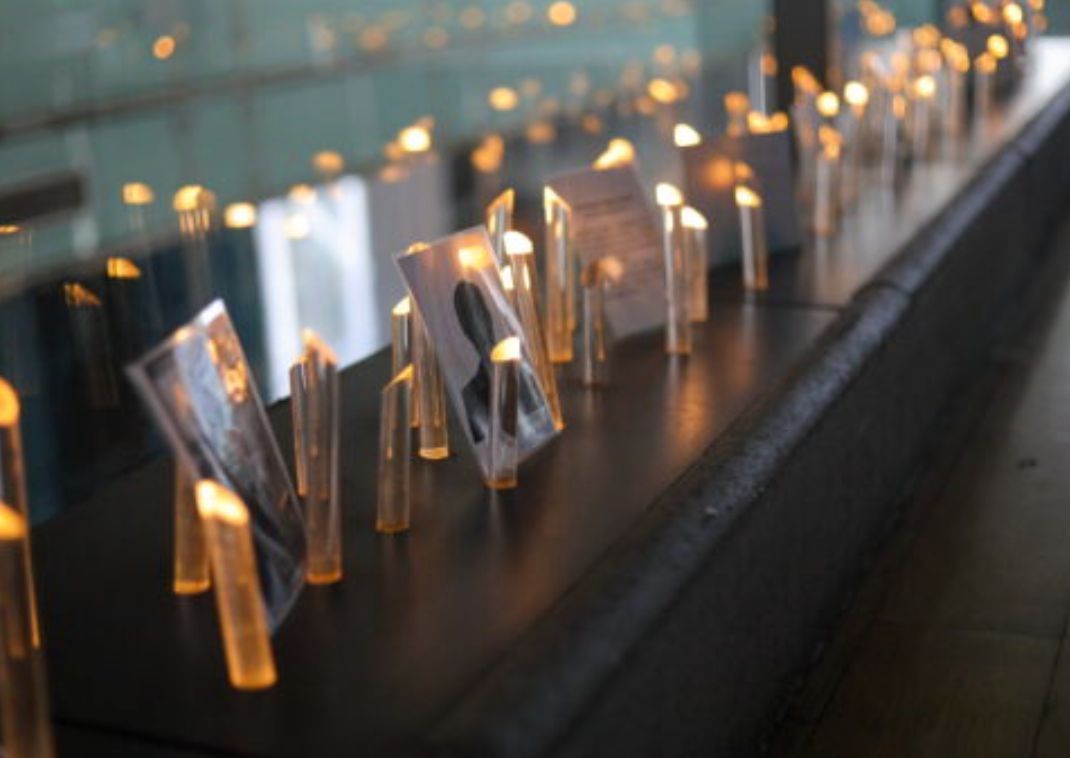
What forms of listening make the commons possible in contexts of conflict? An approach to “wild listening” as a micropolitical practice in the face of contemporary violence.
Through sound, language, and trans embodiment, Arca reshapes experimental electronic music into a transnational Latin American practice of transformation and worldmaking
IMAGE OF THE WEEK
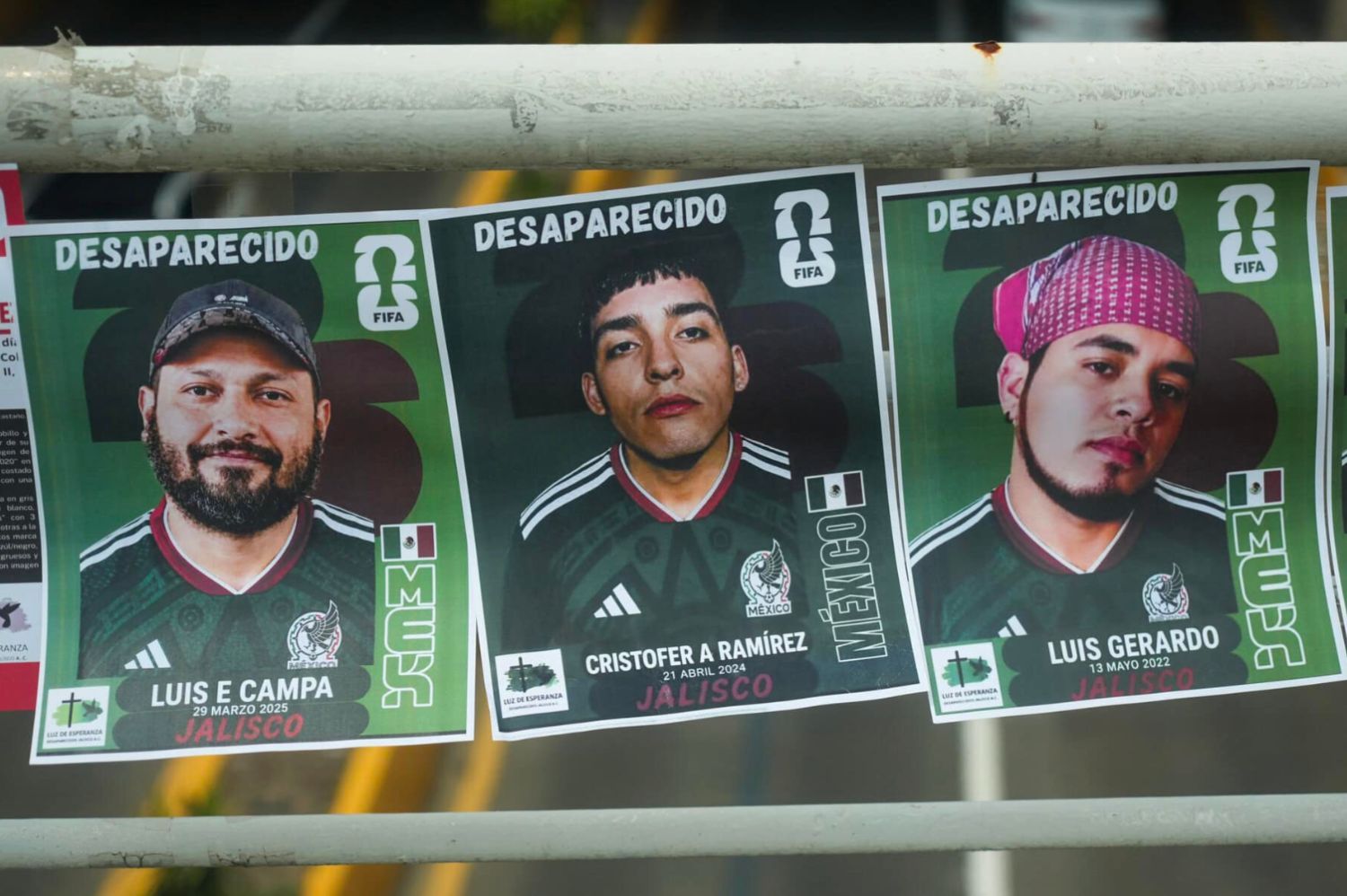
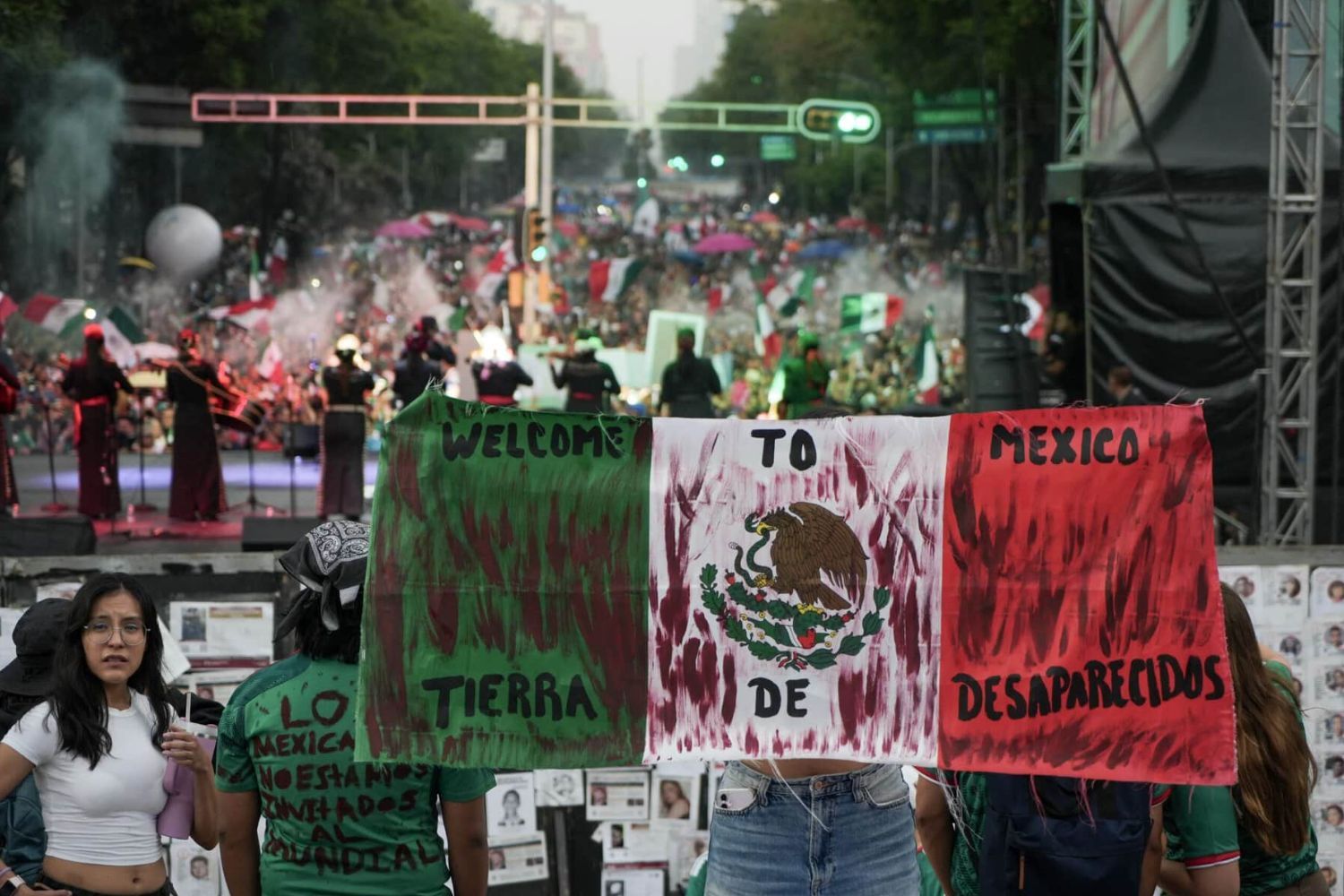
Families of missing persons protest in front of the Angel of Independence as fans celebrate the Mexican national team's first win of the tournament, against South Africa. Mexico City, Mexico. June 2026. (Augusta Lunardi)
VENEZUELA’S BELEAGUERED RECOVERY—The death toll from the twin earthquakes that struck Venezuela on June 24 continues rising, claiming the lives of more than 3,800 people, with tens of thousands still missing as search-and-rescue operations wind down. But the damage stretches far beyond the death toll: nearly 18,000 Venezuelans have been left homeless and some 17,000 injured. While long-running state weakness heightened the disaster’s impact, the government’s response has also been severely constrained by the ongoing effects of the January U.S. invasion and kidnapping of President Nicolas Maduro, as well as the sanctions regime that has largely remained in place. Although the Trump administration temporarily eased some sanctions to facilitate earthquake relief, acting President Delcy Rodríguez has called on Washington to unfreeze additional Venezuelan assets to facilitate reconstruction. In a public letter released this week, more than 100 distinguished economists echoed that demand, urging the Trump administration to lift all sanctions on the beleaguered government.
CUBA’S ENERGY CRISIS—Cuba suffered another nationwide power outage on Monday, its third since January, when the Trump administration severely tightened its oil blockade, deepening the country’s ongoing energy crisis. Though electricity was slowly being restored over the course of the week, U.S. pressure has made the situation increasingly untenable. On Tuesday, the Cuban government succeeded in rallying enough support to advance a UN General Assembly debate on the U.S. embargo. Even so, Washington’s diplomatic pressure on the region has been effective: 30 countries abstained on the motion, more than double the number that did so in October 2025. During the debate, Cuba’s Foreign Minister Bruno Rodríguez clashed with Mike Waltz, the U.S. ambassador to the UN, who deflected the U.S. role in the country’s crisis by arguing these UN debates were a waste of resources that could feed hungry Cubans.
“DONROE DOCTRINE” AND DEFENSE—Representatives from over 30 countries gathered in the Peruvian city of Cusco this week for the Conference of Defense Ministers of the Americas. Though nominally a space for hemispheric dialogue, top Pentagon official Elbridge Colby used the occasion to defend the “Donroe Doctrine.” As they have done at other regional security summits like the “Shield of the Americas” conference in May, Trump officials cast drug trafficking and irregular migration as threats to U.S. security, urged regional governments to increase military spending, and called for deeper security collaboration with Washington. In line with earlier declarations from Secretary of War Pete Hegseth, Colby responded to widespread concerns that the administration’s security agenda serves as cover for renewed U.S. intervention, dismissing such criticisms as a "distorted view” of history. An increasing number of right-wing governments have nevertheless embraced closer military ties with the United States through joint strikes and new military bases, even as militarized policies have failed to curb organized crime and violence in countries like Ecuador, a key testing ground for the administration’srenewed war on “narcoterrorism.”