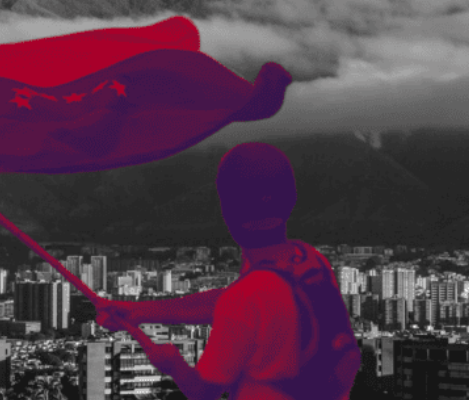
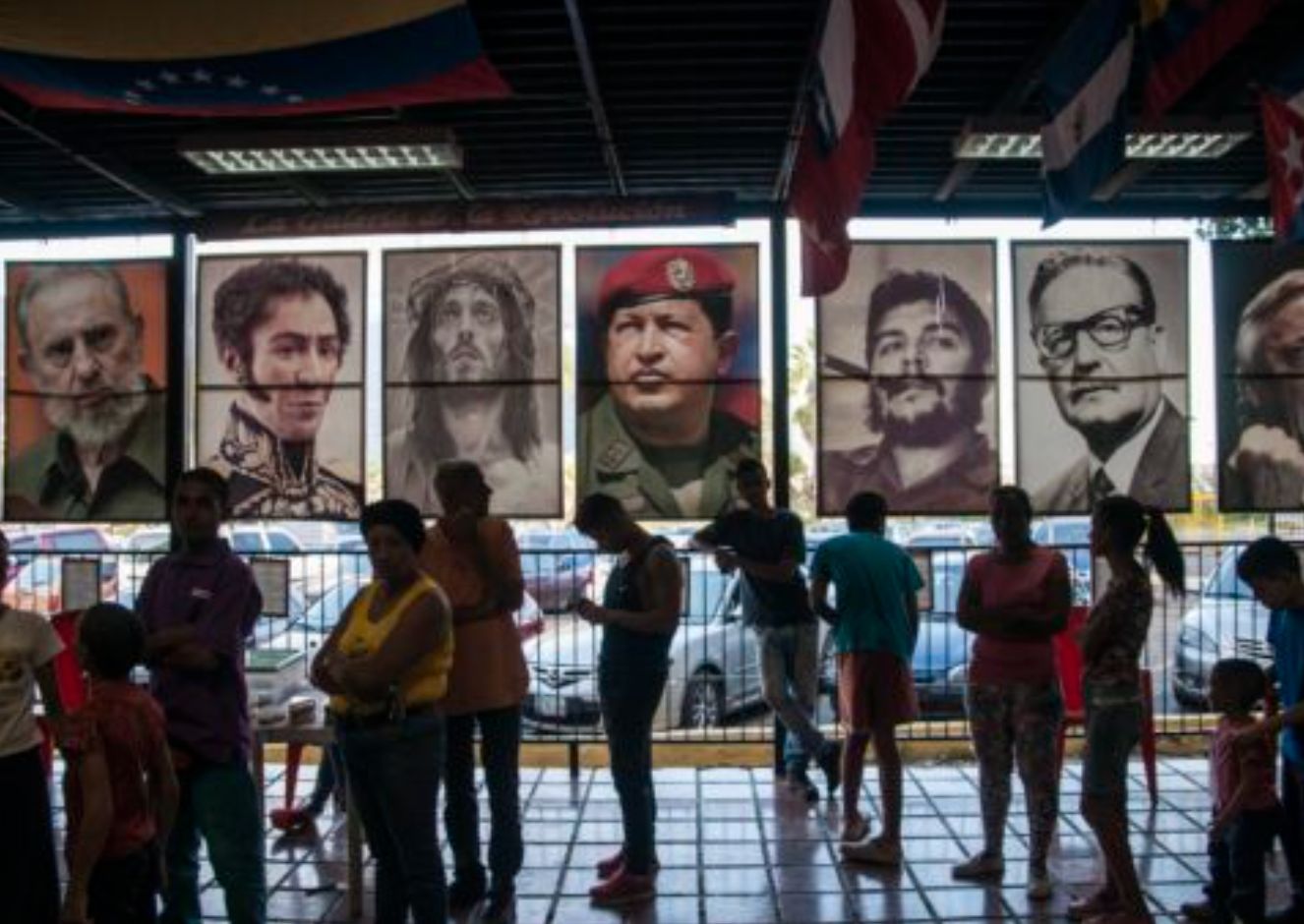
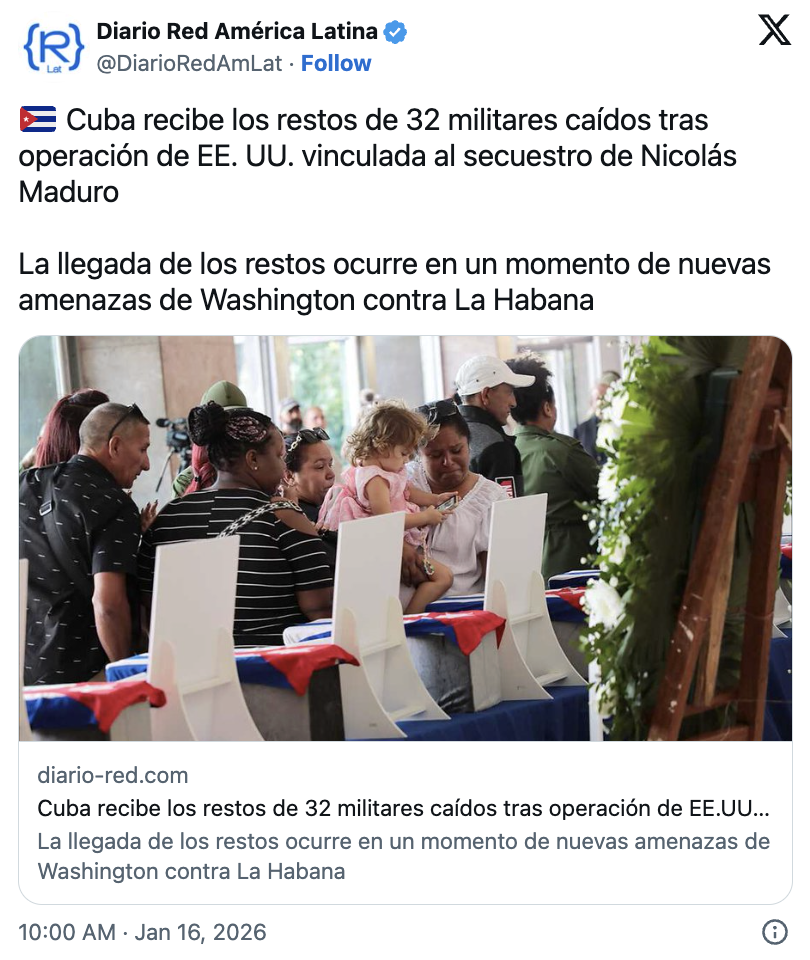
Nearly two weeks after the U.S. invasion of Venezuela and the kidnapping of its president and first lady, the situation remains in flux. Nevertheless, events this week pointed towards a slight stabilization of the country’s turmoil—albeit one in which open U.S. threats of intervention remain and Venezuelans continue to grapple with the psychic and material consequences of Trump’s deadly intervention.
Delcy Rodríguez, the country’s interim President, has had to perform an intense balancing act between a Chavista base hungry for anti-imperialist defiance and Trump, who has threatened her with “a fate worse than Maduro” if she does not comply. This dynamic was on display on Thursday, when Rodríguez delivered her first address to lawmakers. She went to great lengths to defend the country’s sovereignty and denounce the U.S. attack while refraining from naming Trump directly. She also called for reforms to the country’s hydrocarbon laws to enable greater foreign investment—a key U.S. demand—while characterizing that investment as a necessary vehicle to fund crucial Chavista social programs. The president’s speech, which began with a minute of applause to honor those killed during the U.S. attack, came the day after she spoke by phone with Trump, a call described positively by both—Trump called her a “terrific person.”
The president’s tone was not the only thing that appeared to be shifting. Rodríguez also called for a “new political moment” that allows for "political and ideological diversity.” A key tenet of this promise has been the government’s recent moves to release scores of political prisoners, though the exact number is in dispute. While top lawmaker and president’s brother Jorge Rodríguez claimed more than 400 prisoners had been released, rights groups say the number is closer to 70. Though Rodríguez has vowed to continue releasing prisoners, she responded to criticism of the slow pace by accusing NGOs of “lying to the world” and warning that dissent would be tolerated only “with respect for human rights.”
As Venezuela’s new leader began to settle into her new role, the country’s most famous opposition leader, María Corina Machado, continued vying for a larger one. On Thursday, the Nobel Prize Winner—recently snubbed by Trump, who claimed she did not “have the respect” to lead the country—was at the White House for a closed door meeting with him. Machado, who has argued that the opposition coalition she leads should govern following Maduro’s removal, offered Trump her Nobel Peace Prize, an award he has long coveted, in an attempt to curry favor with an administration that has sidelined her. Though the Nobel committee has made clear that the prize cannot be transferred, Trump is reportedly keeping the medal.
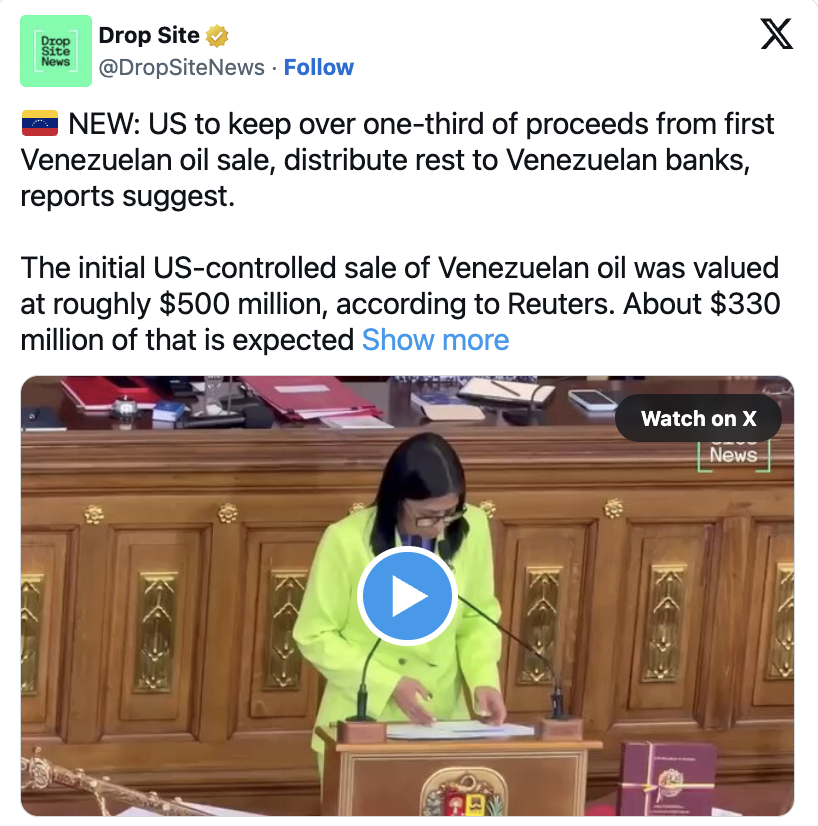
Machado’s visit came the same day an official envoy from Venezuela’s new government was set to arrive in Washington—the first official Chavista visit in years—to begin the process of re-opening the country’s embassy. Yet any potential thaw in relations is overshadowed by the complex “negotiations” over Venezuelan oil. Though Trump and his allies initially argued that Venezuelan oil belonged to the United States because it had been “stolen” from U.S. companies, the administration has since shifted its argument, framing oil sales as a means of stabilizing the Venezuelan economy. U.S. officials have played a shockingly direct role in these negotiations, which have already seen $500 million worth of oil sales. Officials at the Department of Energy are brokering deals between trading firms and the Venezuelan government, then facilitating the transfer of funds from a Qatari bank account to the new administration. Relief from certain oil sanctions is expected soon, though the Trump administration’s crackdown on oil tankers have continued apace: on Thursday, the U.S. military seized another oil tanker, its sixth since it started hijacking boats exporting Venezuelan oil.
Against the backdrop of these imperial machinations, Venezuelans have continued marching in Caracas to demand the release of Nicolás Maduro and Cilia Flóres, both of whom are standing trial in New York City. Lawmakers in the United States, meanwhile, have continued to grant the administration a green light for further aggression: on Wednesday, the Senate voted down a war powers resolution that would have forced Trump to seek congressional approval for further military action in Venezuela.
Since its founding in 1967, NACLA has worked to expose and oppose U.S. intervention in Latin America. In the face of lies and propaganda generated by the U.S. government, and a mainstream media often complicit in legitimizing U.S. actions, NACLA has sought to be a source of reliable information about the facts on the ground.
In this dossier of articles and podcast episodes, NACLA offers several pieces that aim to help readers understand the facts about Venezuela’s recent history, the rise and significance of the Chavista movement, the role of oil in shaping the country’s political economy, and evolving relations between the Maduro government and the United States.
WINTER ISSUE AVAILABLE OPEN-ACCESS
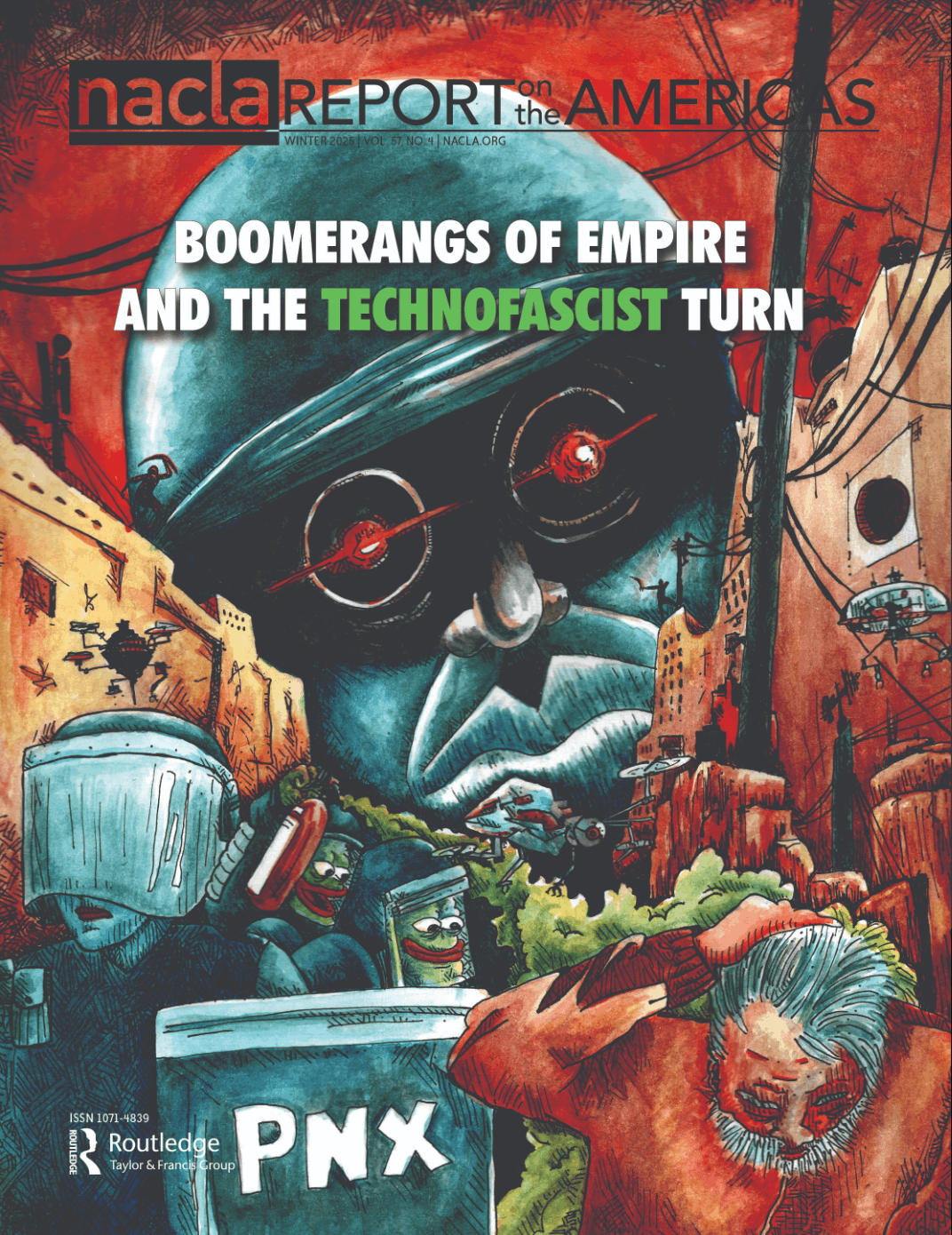
After long delays on the part of our publisher, our winter issue is out and available free to access in its entirety for a limited time! Read it here! If you are a subscriber, print copies will arrive in the mail soon.
In 1950, Martinican author Aimé Césaire used the term "imperial boomerang" to describe a historical circuit, in which the tactics of imperial domination tested abroad return home, reshaping the very societies that invented them. Our winter issue, “Boomerangs of Empire and the Technofascist Turn,” takes Césaire’s insight not as metaphor but as method, tracing how this returning and disseminating violence is shaping the Americas today.
Please consider making a donation to support more work of this kind at a time of increased hardship and pressures for independent media.
As NACLA continues to provide you with news and analysis on the U.S. imperial attacks on Venezuela, we need your support.We are only a few hundred dollars from reaching our $30,000 year-end fundraising goal. If you haven’t yet donated to NACLA, please consider making a tax-deductible donation today!
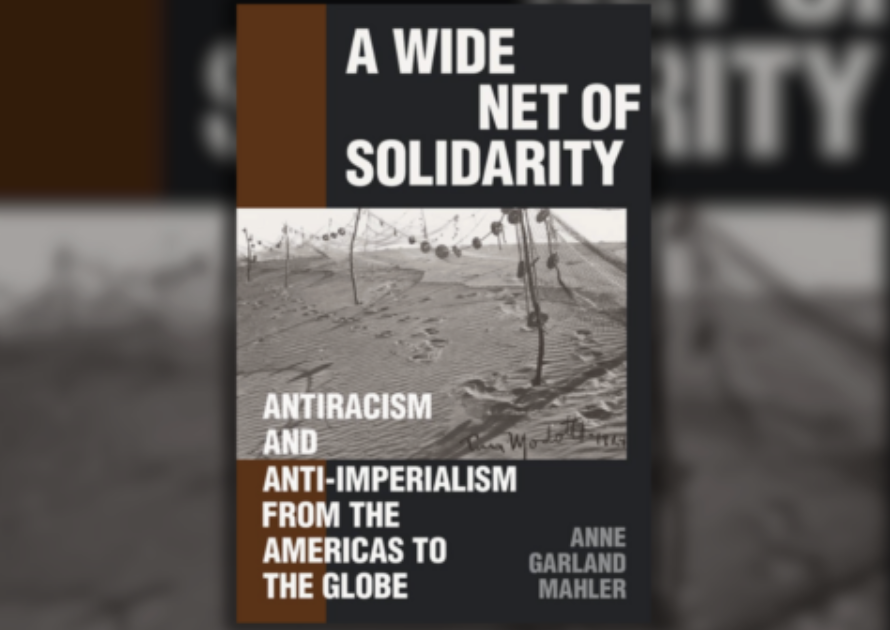
Anne Mahler’s history of the All-America Anti-Imperialist League recovers the contributions to the study of imperialism made by pre-WWII Latin American thinkers.
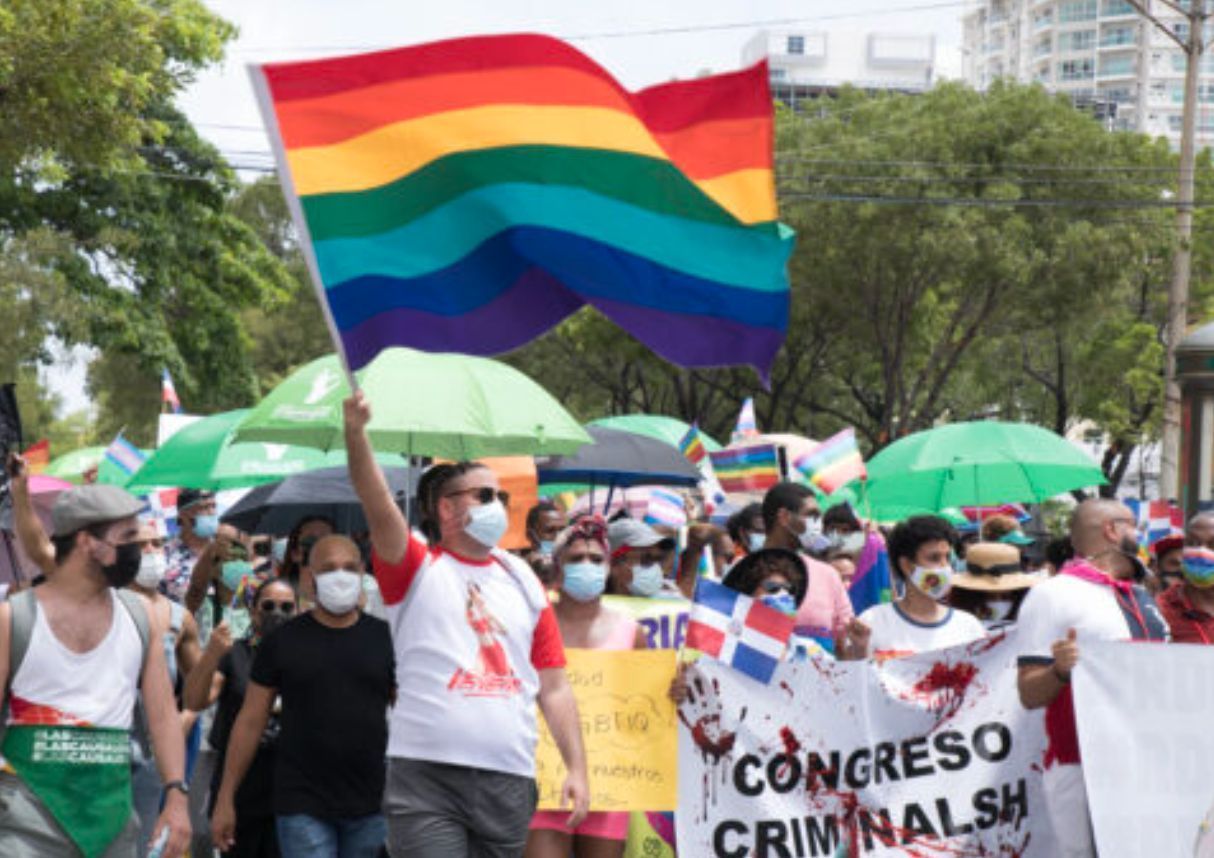
Despite the recent decriminalization of same-sex relationships in the armed forces and police, the ruling is being attacked by the right-wing government and its allies.
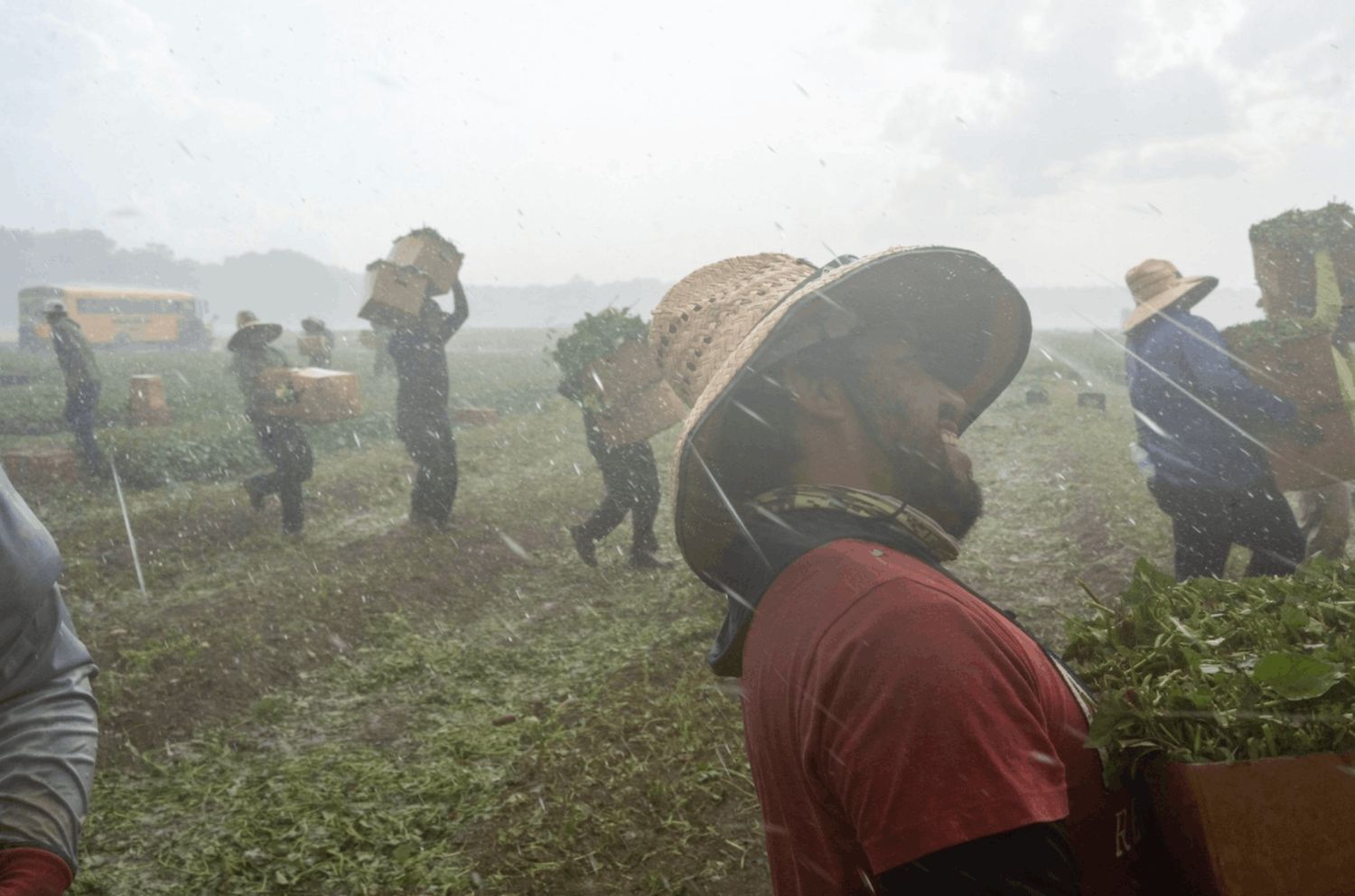
H-2A farmworkers working through the rain on June 6, 2024. For more on "The Hidden Agrarian Transformation Behind Mass Deportation," check out Jennifer Martínez-Medina’s article from our recently-released winter issue. Read this and the issue's other articles for free online, for a limited time. (MILTON LINDSEY).
AROUND THE REGION
END OF BOLIVIAN PROTESTS?—Weeks of roadblocks and massive protest came to a tentative end in Bolivia on Sunday as the recently-installed right-wing government announced an agreement with labor unions and campesino organizations to repeal a decree that had cut crucial fuel subsidies. The announcement of the repeal of Decree 5503, which had sought to offset massive rises in fuel prices with a modest minimum wage bump and welfare payments, came after hours of negotiations between the administration of President Rodrigo Paz and the Central Obrera Boliviana (COB), the country’s largest labor federation. Nevertheless, the path ahead remains unclear: while protesters began lifting some of the roadblocks that had successfully brought the country to a standstill, on Monday, the COB accused the government of failing to honor its agreements by issuing a new decree without consulting with social movement representatives, a key part of the deal. The extent of the victory won by Bolivia’s popular movements, too, was unclear: though the new Decree 5516, issued on Tuesday, comes with additional social spending and new credit programs, the fuel subsidy cuts remain in place.
U.S. FORCES IN MEXICO?—The Trump administration has escalated pressure on the Mexican government to allow U.S. forces to directly participate in raids on suspected fentanyl labs. Mexico’s criminal groups, many of which are known to receive U.S. arms and are suspected to have gained power through ties to U.S. intelligence agencies and military training, are already surveilled by CIA drones, which share information about suspected drug labs with the Mexican military. Since Maduro’s kidnapping, however, the Trump administration has renewed its push for direct U.S. involvement in drug raids and escalated its rhetoric against President Claudia Sheinbaum. Though Trump has praised Sheinbaum in the past, he recently claimed that she is “not running Mexico,” tweeted his frustration with her mild-mannered disapproval of the U.S. operation in Venezuela, and suggested that U.S. land strikes on cartels could be coming soon. Though Sheinbaum’s diplomatic approach has been successful so far, she and her inner-circle are reportedly struggling to figure out a response to these threats in the wake of the Venezuela attack.
MERCOSUR-EU DEAL—European Commission President Urusula Von der Leyen will travel to Paraguay on Saturday to sign a landmark free trade agreement between the European Union and Mercosur, a South American trade bloc composed of Brazil, Argentina, Paraguay, and Uruguay. The agreement will create the world’s largest free trade area and has been 25 years in the making. The deal cleared a crucial hurdle when a majority of EU countries voted in favor on Friday, but it still has to pass through the European Parliament. Farmers in Ireland, Poland, and France have taken to the streets en masse to rail against the deal and the French government has faced numerous no-confidence votes. Though European farmers fear their existence is threatened by a deal they argue will replace their products with cheaper imports, Brazilian President Luiz Inácio “Lula” da Silva, a longtime supporter of the deal, championed the news: he dubbed Friday’s vote a “historic day for multilateralism." While the concrete economic effects may not be massive, the deal is being referred to as a “cows for cars” swap as South American agro-business and European carmakers will both gain access to new, tariff-free markets.
HONDURAN ELECTIONS—The National Electoral Commission (CNE) in Honduras rejected outgoing President Xiomara Castro’s decree calling for a recount of the country’s November 30 elections, with its leader arguing on social media that the maneuver was "unconstitutional and illegal.” Castro ordered a recount last week after claiming that electoral authorities had failed to count nearly 5,000 ballots. She emphasized that the Trump administration had played an outsized role in the country’s elections, a fact that Castro and her LIBRE party’s presidential candidate Rixi Moncada have argued should invalidate the results. The same day as the CNE’s ruling, Nasry Asfura—the Trump-backed right-wing businessman who was declared the election’s winner nearly a month late—met with Secretary of State Marco Rubio in Washington to discuss security cooperation and irregular migration. Asfura narrowly defeated Salvador Nasralla, a conservative TV personality and former Vice President who was briefly in the lead during the CNE’s delayed and glitchy vote tallying process. On Saturday, the State Department’s Bureau of Western Hemisphere Affairs wrote on X that any “attempts to illegally overturn” the election would “have serious consequences.” Eight other Latin American countries have also rejected Castro’s recount order.