Last Sunday, the Mexican military killed Nemesio Oseguera Cervantes, known as “El Mencho,” the head of the Jalisco New Generation Cartel (CJNG) and one of the world’s most wanted drug traffickers. The 59-year-old cartel leader died after a shootout in his home state of Jalisco, setting off a wave of violence across Mexico. At least 70 people were killed in the operation and its aftermath, including 25 members of the National Guard, 30 alleged cartel operatives, and a pregnant woman caught in the crossfire. Armed groups assumed to be affiliated with the CJNG burned cars, blocked roads, and attacked state forces and businesses in many states across the country. Turmoil aside, El Mencho’s killing was seen as a tenuous victory for President Claudia Sheinbaum at a time when the Trump administration has pressed her government to crack down harder on organized crime. But the operation’s immediate aftermath underscored the volatility of Mexico’s militarized security strategy.
While some details remain murky, the broad outline of the raid is clear. After the surveillance of his romantic partner revealed the location of a hidden cabin complex on the outskirts of the town of Tapalpa, authorities encircled the property and engaged in a deadly firefight with suspected cartel members. El Mencho, who had a $15 million bounty on his head from the U.S. State Department, was wounded and died during medical transport. As more reporting has made clear, the role of the United States was not incidental. Though both governments have emphasized that the raid was carried out entirely by Mexican troops—a notable point given that the Trump administration has repeatedly pushed to deploy U.S. forces inside Mexico—U.S. intelligence reportedly played a key role.
The response was swift. Armed groups mounted roadblocks, set vehicles ablaze, and attacked businesses across the country, with the most concentrated unrest in Jalisco. In Guadalajara, one of Mexico’s largest cities and a host site for the 2026 World Cup, streets emptied amid fear and airport passengers panicked as false rumors spread online claiming that armed groups had “taken control” of the airport. In the tourist hub of Puerto Vallarta, vehicles were burned and a prison break took place. As images circulated—much of it online disinformation and AI-generated content—airlines cancelled flights to affected cities and the U.S. State Department issued a “shelter in place” order for a large swath of Mexican states. More than 250 roadblocks were reported across 20 states, though the precise nature of the groups involved—and even the utility of the term “cartel”—remains unclear.
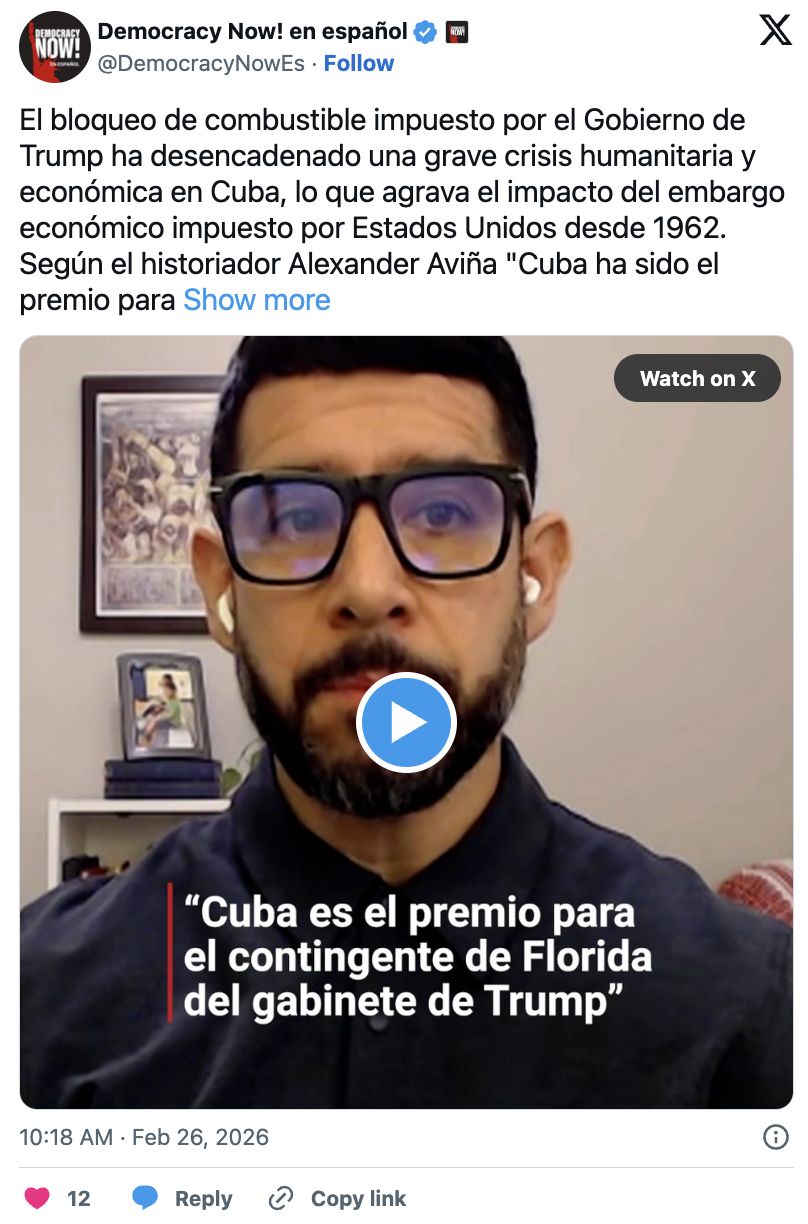
By Tuesday, the Mexican government said the security situation was largely under control and shifted focus to reassuring international visitors ahead of the World Cup. Still, critics argue that the episode reflects a deeper pattern. NACLA editorial committee member Dawn Paley wrote that the government’s lack of “high-level reflection on the impacts of the security policies put in place this week” is a long-running feature of a state-led “War on Drugs” that “depends on our constant forgetting.” Despite ample evidence that beheading criminal organizations breeds more violence,” she argued, authorities continue to rely on a “kingpin method” that produces short-term spectacle rather than durable change. In a Democracy Now! interview, fellow NACLA editorial committee member Alexander Aviña similarly described the raid as “part of a decades-long approach to drug interdiction that is highly militarized, that focuses on punitive actions, and that in the end only ends up generating more violence and doesn’t do anything to stem the flow of drugs.” Both stressed thatthe brunt of this violence is borne by Mexico’s most vulnerable—“workers, migrants, and the poor,” in Paley’s words,
Confronted with threats of U.S. troop deployments, strikes, and tariffs from a Trump administration demanding she “do more” to combat the cartels, Sheinbaum is in an intensely difficult situation. Yet if taking out El Mencho was intended to appease Washington, the effect appears short-lived. Shortly after the raid, Trump again urged Mexico to intensify its efforts, writing on social media that “Mexico must step up their effort on Cartels and Drugs!” During his State of the Union Address, Trump even took credit for the operation, declaring “we’ve taken down one of the most sinister cartel kingpins of all.”
Since its founding in 1967, NACLA has worked to expose and oppose U.S. intervention in Latin America. In the face of lies and propaganda generated by the U.S. government, and a mainstream media often complicit in legitimizing U.S. actions, NACLA has sought to be a source of reliable information about the facts on the ground.
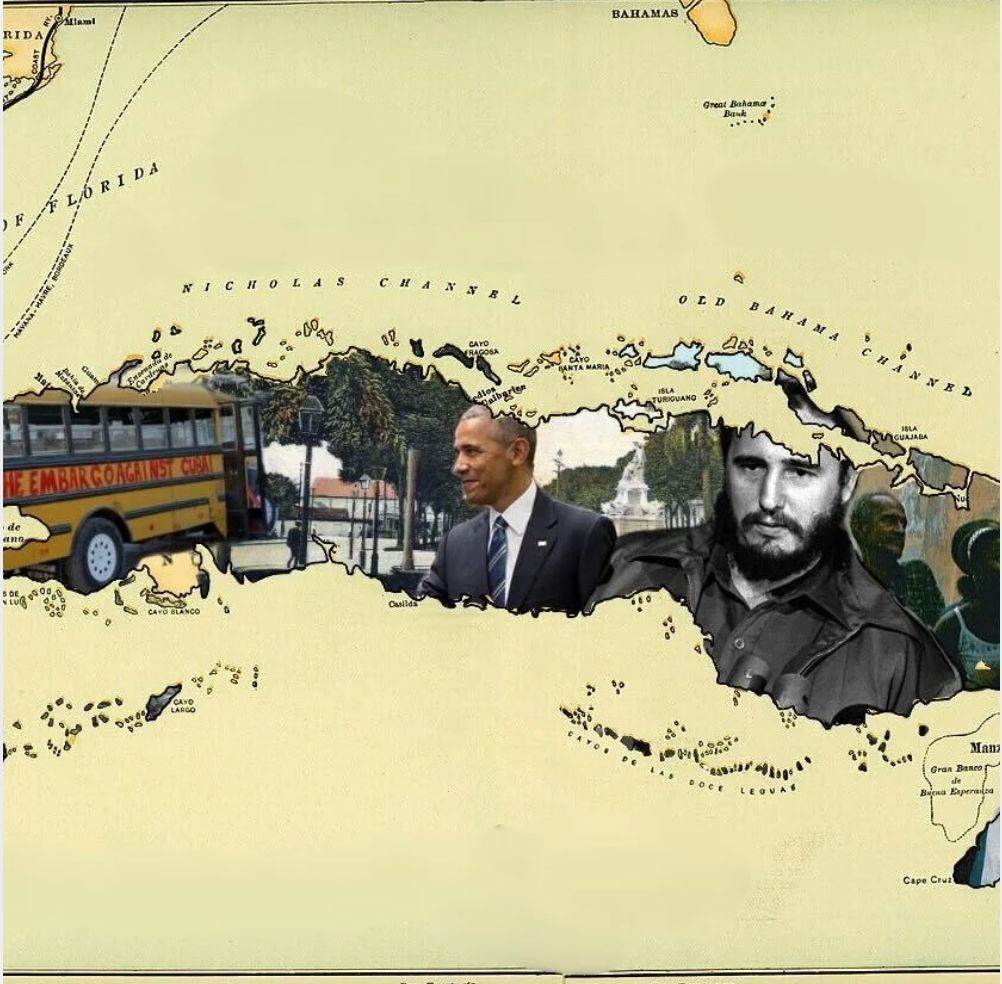
In this dossier of more than 30 articles, special print issues, and exclusive web series, NACLA's editors have curated a guide that touches on some of the most salient issues in recent Cuban history, including six decades of U.S.-led war, Cuba's role on the global stage, the Obama ‘thaw," the July 11 Protests, the role of the diaspora, and more.
NEW ISSUE COMING SOON
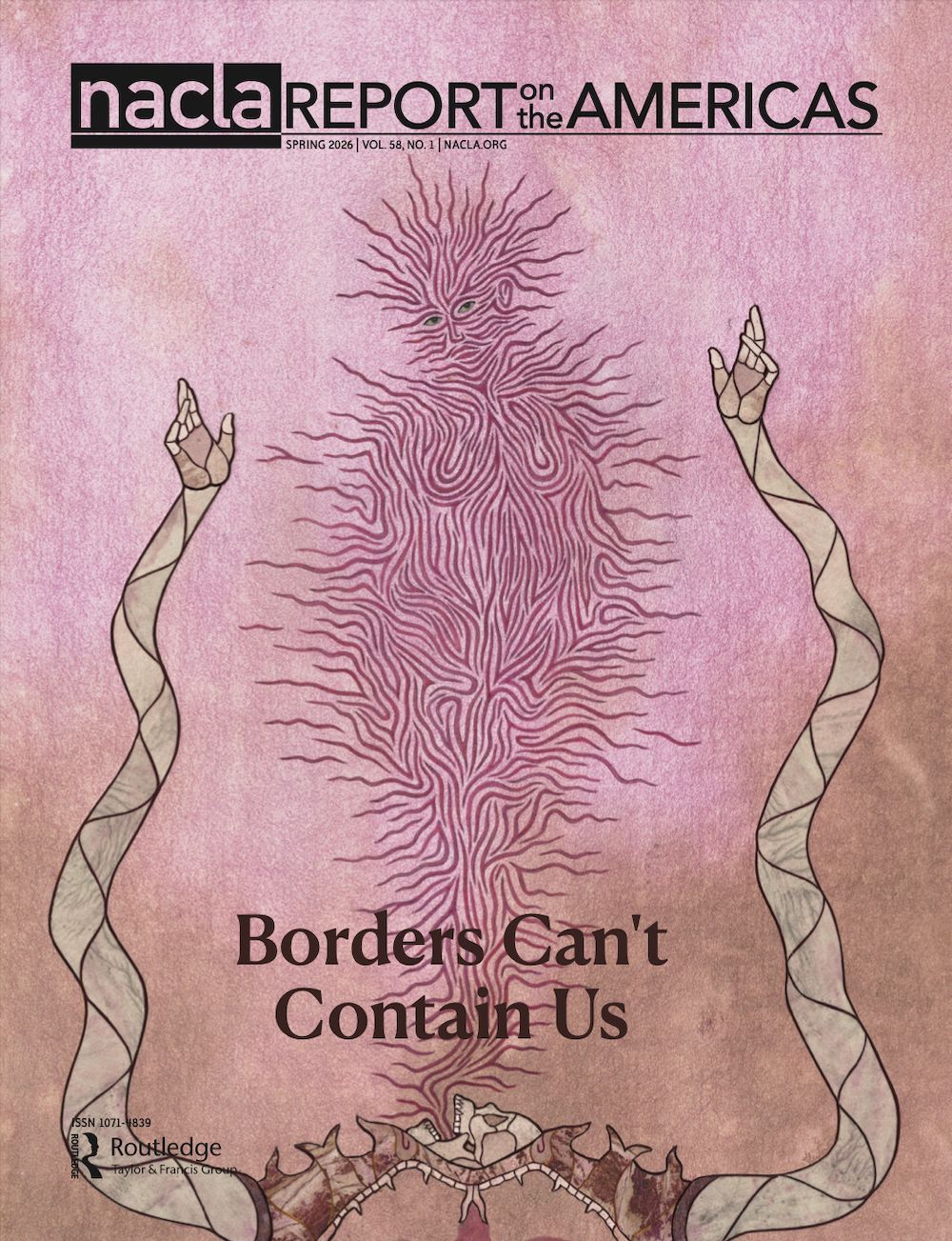
Cover art by Felipe Baeza, insurgent intimacies, 2026.
The Spring 2026 issue, “Borders Can’t Contain Us,” will be out soon!
Guest edited by Soledad Álvarez Velasco, Dawn Marie Paley, and P.S.D., the issue explores the historical contours, regional variations, and lived consequences of a hemispheric bordering regime that now extends far beyond any single boundary line.
“Moving between a critical review of border externalization and the inexorable forms of migrant resistance that echo long genealogies of anticolonial, antiracist, anti-imperialist, feminist, Indigenous, and Black social struggles in Latin America and the Caribbean, this dossier makes a clear political gesture,” write the guest editors in their introduction. “It insists on the political importance of both recording and archiving, by whatever means possible, the present moment of fascist bordering, while recovering the lessons of struggle forged across the region.”
Subscribe today to get your copy of this urgent issue in the mail. We have extended the subscription deadline to March 5.Donate now to support this work.
OUR WINTER ISSUE IS OUT IN PRINT!
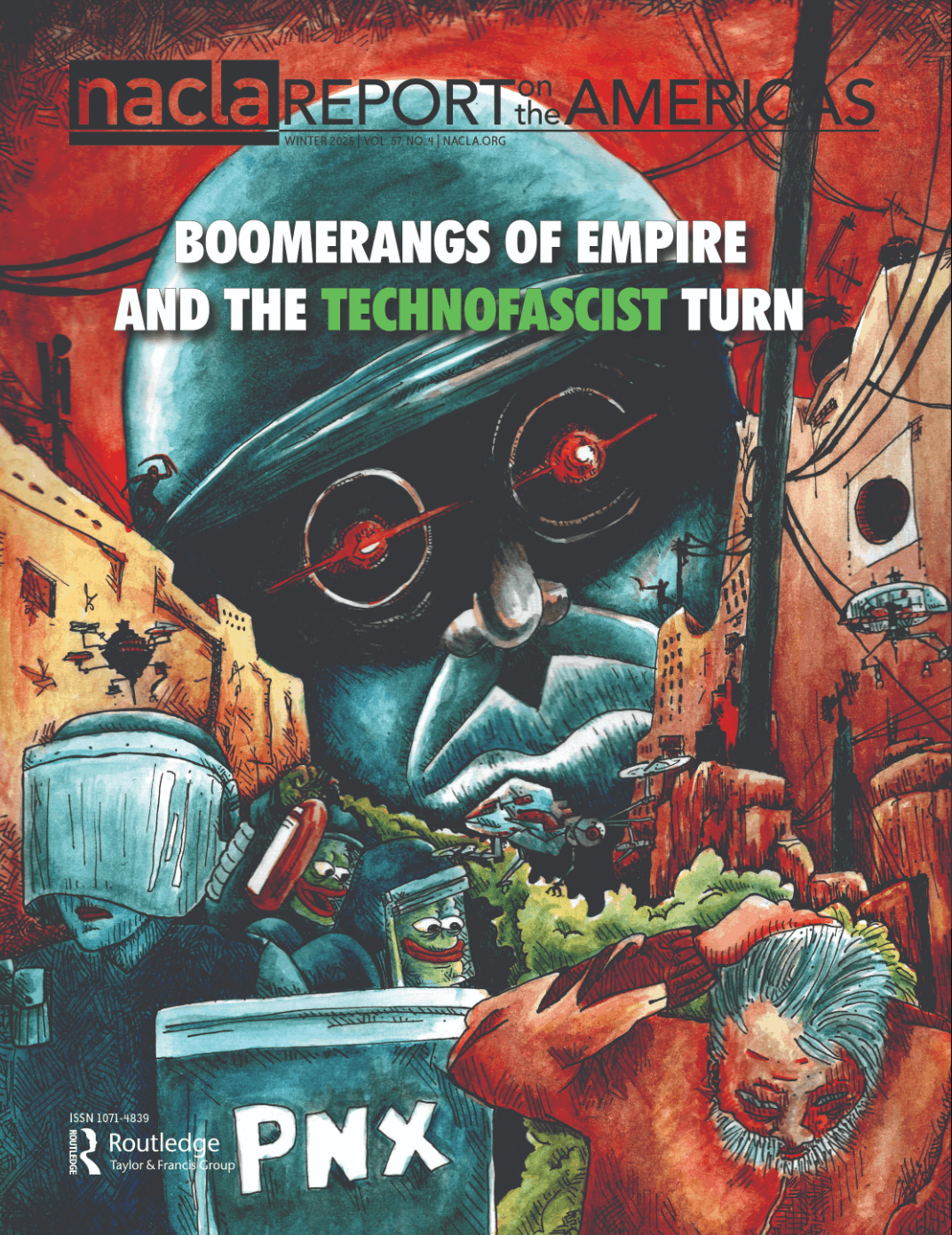
Cover art by Carlos Acuña, @CantarTiro, 2035.
Our winter issue is out and available free to access in its entirety for a limited time!
In 1950, Martinican author Aimé Césaire used the term "imperial boomerang" to describe a historical circuit, in which the tactics of imperial domination tested abroad return home, reshaping the very societies that invented them. Our winter issue, “Boomerangs of Empire and the Technofascist Turn,” takes Césaire’s insight not as metaphor but as method, tracing how this returning and disseminating violence is shaping the Americas today.
Please consider making a donation to support more work of this kind at a time of increased hardship for independent media.
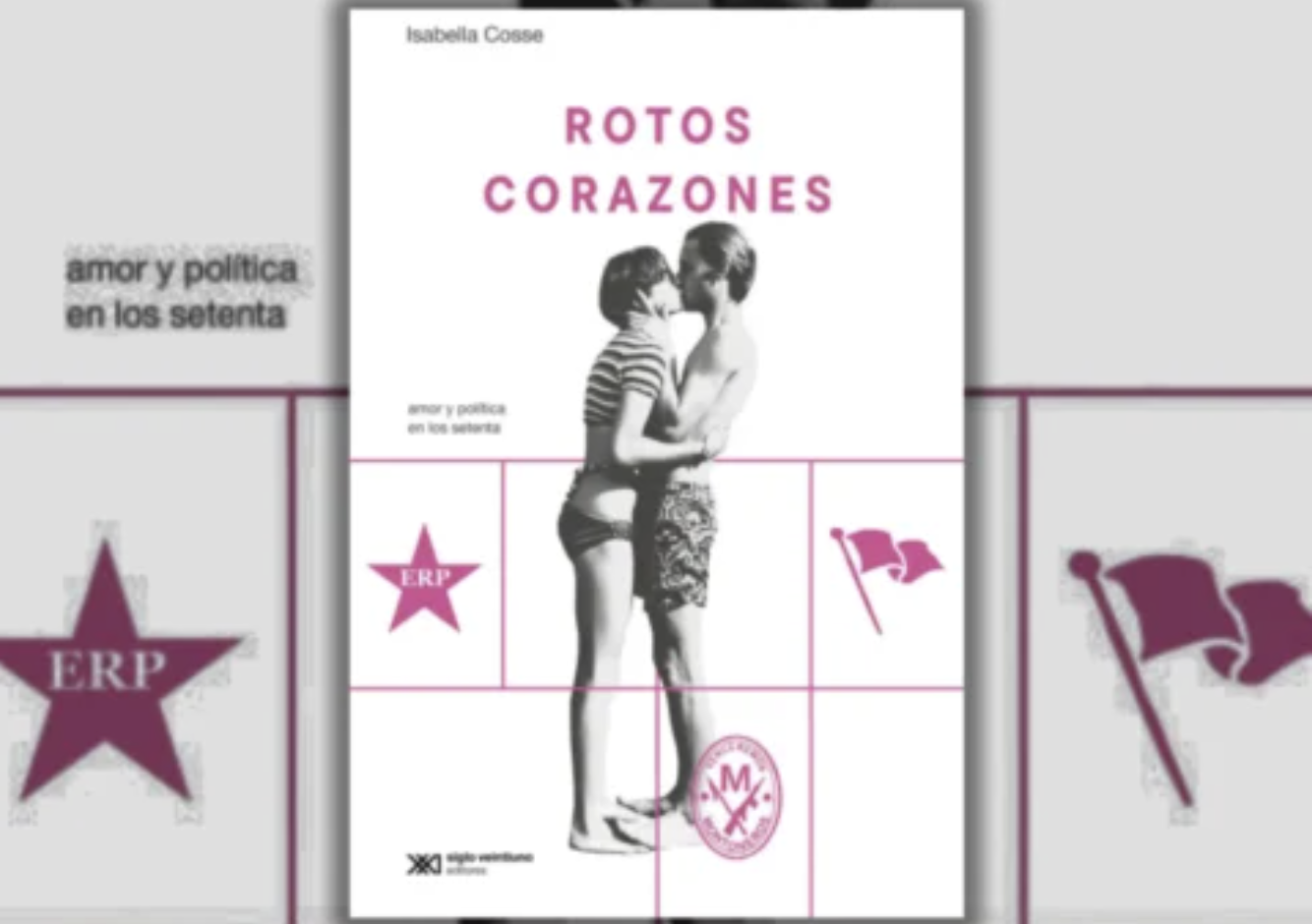
Cosse centers the role of love in her study of armed leftist movements in Argentina, unearthing how gender, sexuality, and subjectivity shaped political uprising—and its defeat.
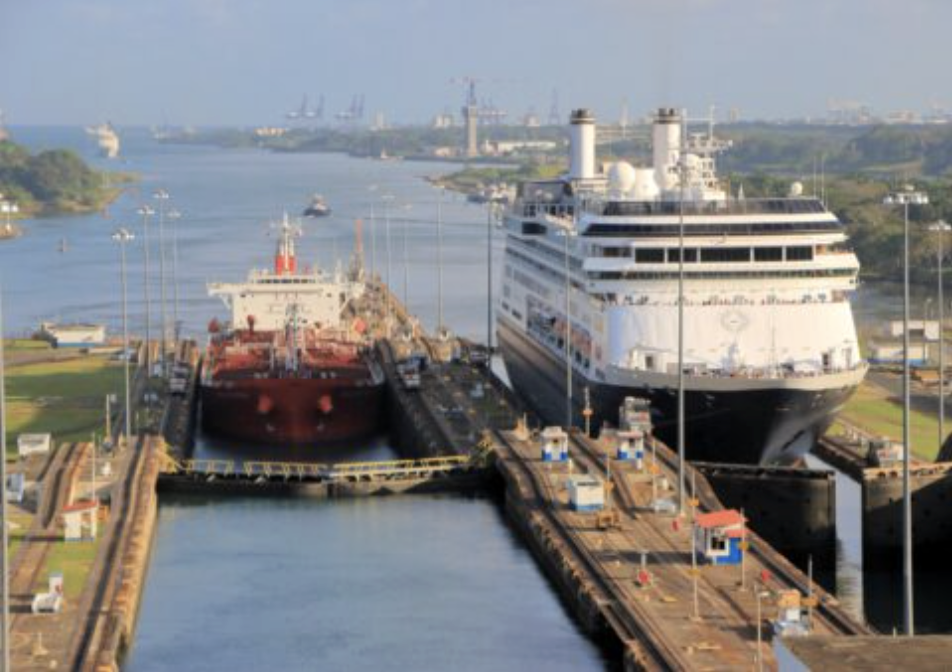
The quiet reclamation of the Canal reveals that the Trump administration has more sophisticated tools at its disposal for asserting its hegemony in the Western Hemisphere.
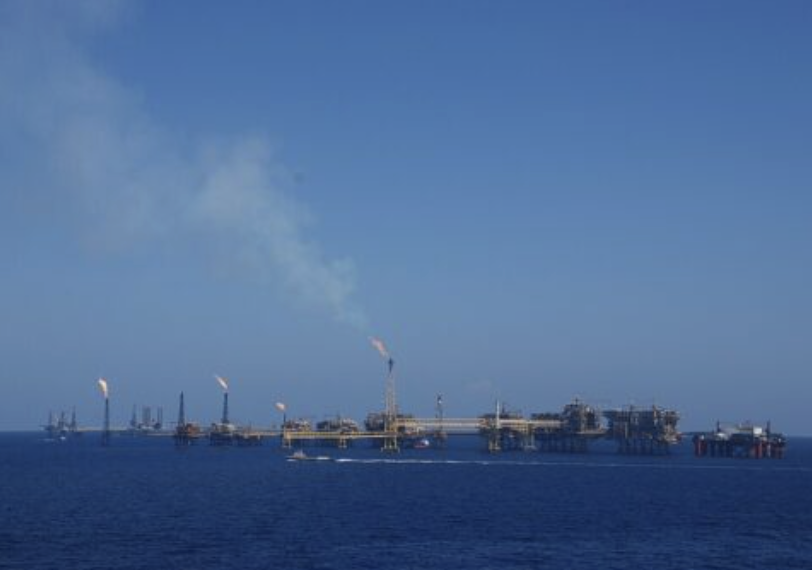
Renewable energy production brings with it opportunities for social change in Latin America but an intensified U.S. imperialism seeks to prolong the grip of fossil fuels in the region.
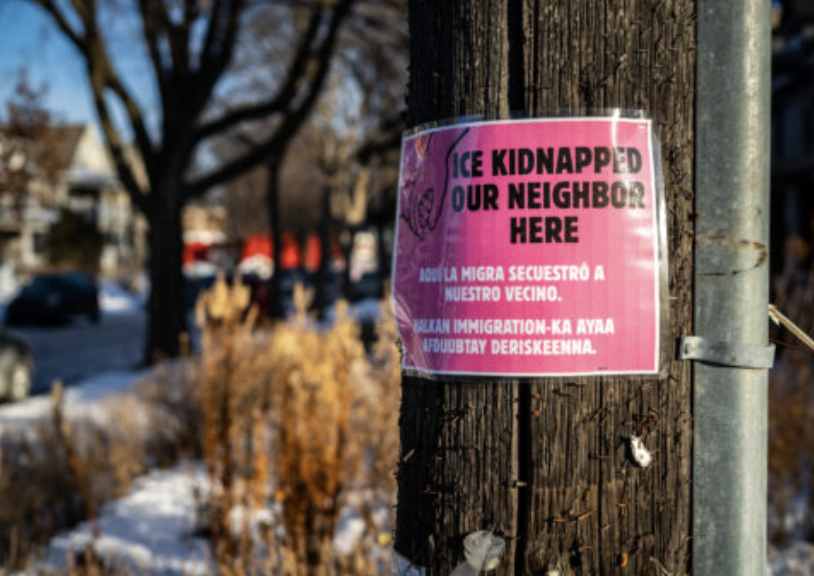
We are seeing an unprecedented reorganization of domestic and foreign policy in the United States. Both of them deployed to achieve the same goal — punish the opposition to Trump.
IMAGE OF THE WEEK
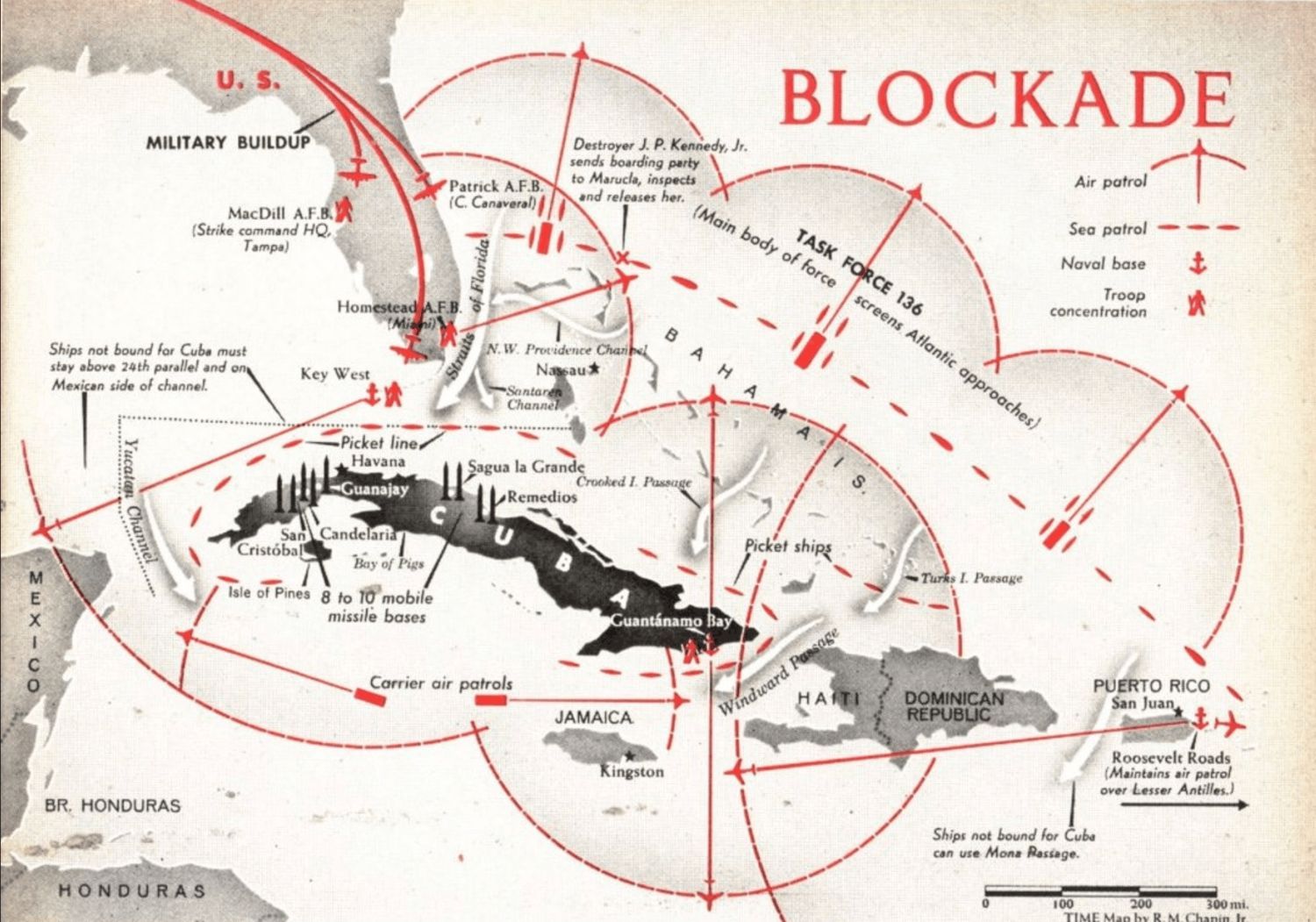
This photo is from "The Making of Cuba's Crisis," NACLA's curated guide to the deep roots of the island's current struggles. NACLA editors selected upwards of 30 articles from web, web series, and print to provide you with the information you need to understand the escalating war on Cuba. ("Instalations of Soviet missiles in Cuba and American naval blockade, October 1962." Robert Chapin, Time Magazine, Wikimedia Commons).
AROUND THE REGION
ATTACK ON CUBA?—Four armed Cubans were killed and six others wounded Wednesday after they opened fire on Cuban border guards who had stopped their Florida-registered boat to ask for documentation. The men, who the Cuban government has accused of attempting to carry out a terrorist attack, were all Cuban citizens living in the United States, several with alleged histories of criminal and violent activity, according to authorities. Unlike recent U.S. drone strikes on suspected drug boats, in which survivors were killed, Cuban officials said the wounded received medical treatment and are reportedly being monitored at a provincial hospital. Given the backdrop of an intensified U.S. oil blockade and renewed calls for regime change, speculation quickly mounted that the incident was part of a larger U.S.-backed operation. Secretary of State Marco Rubio, however, called the episode “highly unusual" and emphasized that it was not a U.S. government operation. Rubio’s relatively measured response to the news signalled a possible lessening of hostilities. The U.S. Treasury announced Wednesday it would allow Venezuelan oil to be sold to Cuba’s private sector. The same day, members of Rubio’s team reportedly held talks with Raul Castro’s grandson on the sidelines of the CARICOM meeting. (Check out our Cuba Reader for background on the country’s current crisis.)
A DIVIDED CARIBBEAN—At a closed-door meeting of the 15-member Caribbean Community known as CARICOM in St. Kitts and Nevis, Secretary of State Marco Rubio urged regional leaders to deepen collaboration on tackling criminal organizations. His remarks came a day after leading members of the bloc opened the summit by warning of escalating U.S. intervention in the Caribbean, citing ongoing strikes on alleged drug boats, the staging of troops and infrastructure supporting the intervention in Venezuela, and pressure on Caribbean nations to further cut ties with Cuba. Though Rubio did not mention Cuba, the issue loomed large as regional leaders called for de-escalation and an easing of humanitarian restrictions on the island. Still, CARICOM is divided over how to position itself vis-a-vis the Trump administration. Trinidadian Prime Minister Kamla Persad-Bissessar used her address to thank Washington for removing what she called “a narco-dictator who imprisoned and killed thousands of civilians and opposition members”—a reference to Venezuelan President Nicolas Maduro—and asserted that the “The U.S. is not undermining the CARICOM region.” Persad-Bissessar, who has cheered on U.S. strikes that have killed her own citizens and accepted U.S. military equipment that may have played a role in the Venezuela operation, also criticized her counterpart’s rhetorical support for Cuba, which is not a formal CARICOM member.
MARIELLE FRANCO—Two Rio de Janeiro politicians were convicted Wednesday for their role in the murder of Marielle Franco, a 38-year-old left-wing city councilor and her driver in 2018. Brothers Domingos and João Francisco “Chiquinho” Brazão were sentenced to 76 years in prison and ordered to pay $1.4 million in compensation to the victims families after being found guilty They were also found guilty of attempted murder and belonging to an armed criminal organization. The ruling, which was handed down by the Supreme Court because “Chiquinho” was a federal congressman at the time, came more than a year after two former police officers were also sentenced for their role in her killing. Franco, a queer Afro-Brazlian leader from the favelas and an up-and-coming political star, left a deep imprint on a country whose Afro-Brazilian population remains historically underrepresented. Her killing also shed light on the ties between police, politicians, and paramilitary structures in Rio, a network that was responsible for her murder, as well as the wider violence that continues to harm the city’s popular classes.
COLOMBIA’S LEFT—Three months out from the first round of voting in Colombia’s presidential elections, a new poll released Wednesday marked massive gains for the country’s left-wing candidate, Iván Cepeda. A senator, human rights activist, and member of President Gustavo Petro’s coalition, Cepeda notched over 37 percent of support in a potential first round and bested all other candidates in any potential run-off. While much can still change, the result led jittery investors, fearful of further left-wing rule, to cause the sharpest single-day decline in value of the Colombian peso since 2020. But Colombians appear less afraid of progressive governance, as the startling turnaround for President Petro, captured in the same poll, made clear. Petro, a figure long vilified by liberal and conservative media in Colombia, saw his approval rating jump nearly 11 points in the last two months, reaching more than 49 percent—nearly the same amount when he took office. Analysts point to Petro’s recent successful meeting with Trump and his ardent defense of a massive minimum wage increase as possible drivers of the shift.