José María Balcázar, a left-wing legislator from the Perú Libre party, is Peru’s new president. After a surprising vote Wednesday in which a majority of the country’s divided Congress threw their support behind the 83-year-old former judge, Balcázar formally assumed power as Peru’s ninth president in a decade. His ascension came a day after José Jerí was removed from office by lawmakers in an “express impeachment” after only four months in power.
Jerí’s downfall followed the release of videos showing him holding unofficial meetings with Chinese businessmen—on one occasion wearing a hood to conceal his identity. These clandestine meetings—including with a man allegedly tied to an illegal timber-trafficking network—sparked accusations of influence peddling. Jerí has also faced scrutiny over sexual assault allegations and claims that he granted government jobs to underqualified young women after late-night meetings at the presidential palace.
Though Jerí initially enjoyed high approval ratings thanks to his crafty use of social media and promises of a crime crackdown in the style of Salvadoran President Nayib Bukele, many Peruvians remained wary that he could resolve the country’s deep political crisis. On Tuesday, he became the seventh consecutive Peruvian president to be removed from office before completing a term. He came to power last October after Dina Boluarte was removed from office amid a series of scandals, including allegations of bribery, a secret plastic surgery, and, most consequentially, outrage over the killing of demonstrators at the hands of security forces following the 2022 impeachment of Pedro Castillo. Castillo, a former rural schoolteacher known as the “president of the poor,” was sentenced last year to more than 11 years in prison for attempting to dissolve Congress ahead of an impeachment vote—a move that plunged the country into a state of turmoil.
Balcázar, a Castillo ally, has promised to pardon the former president. Beyond that, he is widely expected to serve more as a caretaker of power than a transformational figure. Congress is controlled by right-wing parties, presidential elections are set for mid-April, and a new president will be inaugurated in late July. Balcázar also carries baggage, including his defense of child marriage, efforts to normalize sexual relations between students and teachers, and investigations into alleged embezzlement.
Jerí’s removal once again brings to the surface a defining feature of Peru’s “hollow democracy”: Congress’s sweeping power to depose presidents. Since 2021, Peru’s right-wing Congress has waged an “unprecedented assault on the country’s institutions” through a series of authoritarian reforms that have “weakened the autonomy of the Federal Attorney General’s Office, undermined the national elections authority, insulated congressional decisions from judicial oversight, and reshaped the composition of the National Board of Justice,” writes Madeleine Penman in her recent article for the NACLA Report. It has also relied on an extremely broad interpretation of the constitution to repeatedly force presidents from office.
Peru’s upcoming elections will restore a bicameral legislature, reviving the Senate30 years after its dissolution by dictator Alberto Fujimori. Nevertheless, early polling indicates that Peruvians remain deeply disenchanted with their politicians, even though they will have a record-breaking 36 presidential candidates to choose from on April 12.
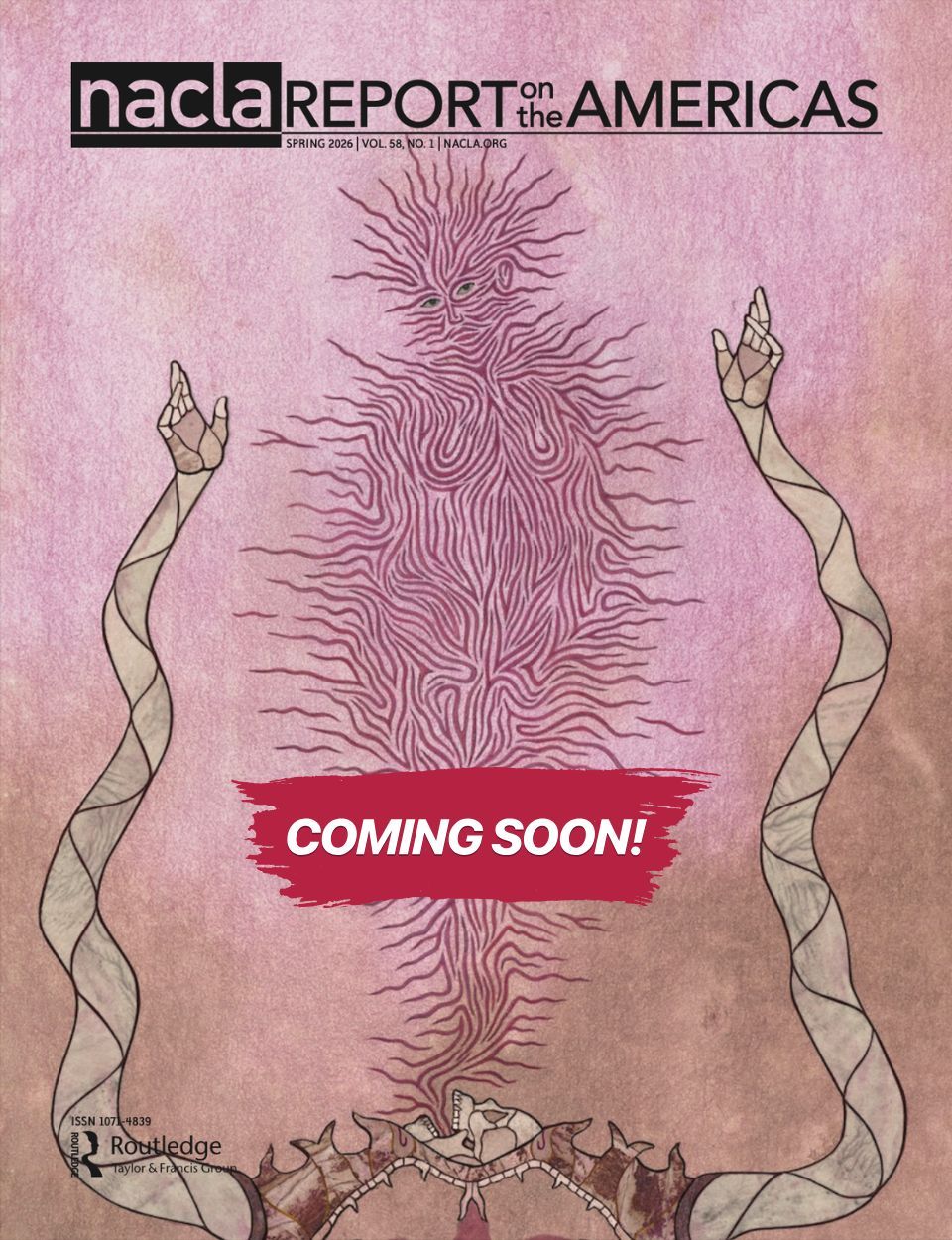
The Spring 2026 issue of the NACLA Report, “Borders Can’t Contain Us,” will be out soon!
Guest edited by Soledad Álvarez Velasco, Dawn Marie Paley, and P.S.D., the issue explores the historical contours, regional variations, and lived consequences of a hemispheric bordering regime that now extends far beyond any single boundary line.
“Moving between a critical review of border externalization and the inexorable forms of migrant resistance that echo long genealogies of anticolonial, antiracist, anti-imperialist, feminist, Indigenous, and Black social struggles in Latin America and the Caribbean, this dossier makes a clear political gesture,” write the guest editors in their introduction. “It insists on the political importance of both recording and archiving, by whatever means possible, the present moment of fascist bordering, while recovering the lessons of struggle forged across the region.”
Subscribe today to get your copy of this urgent issue in the mail. The deadline to subscribe is February 25th. Donate now to support this work.
Cover art by Felipe Baeza, insurgent intimacies, 2026.
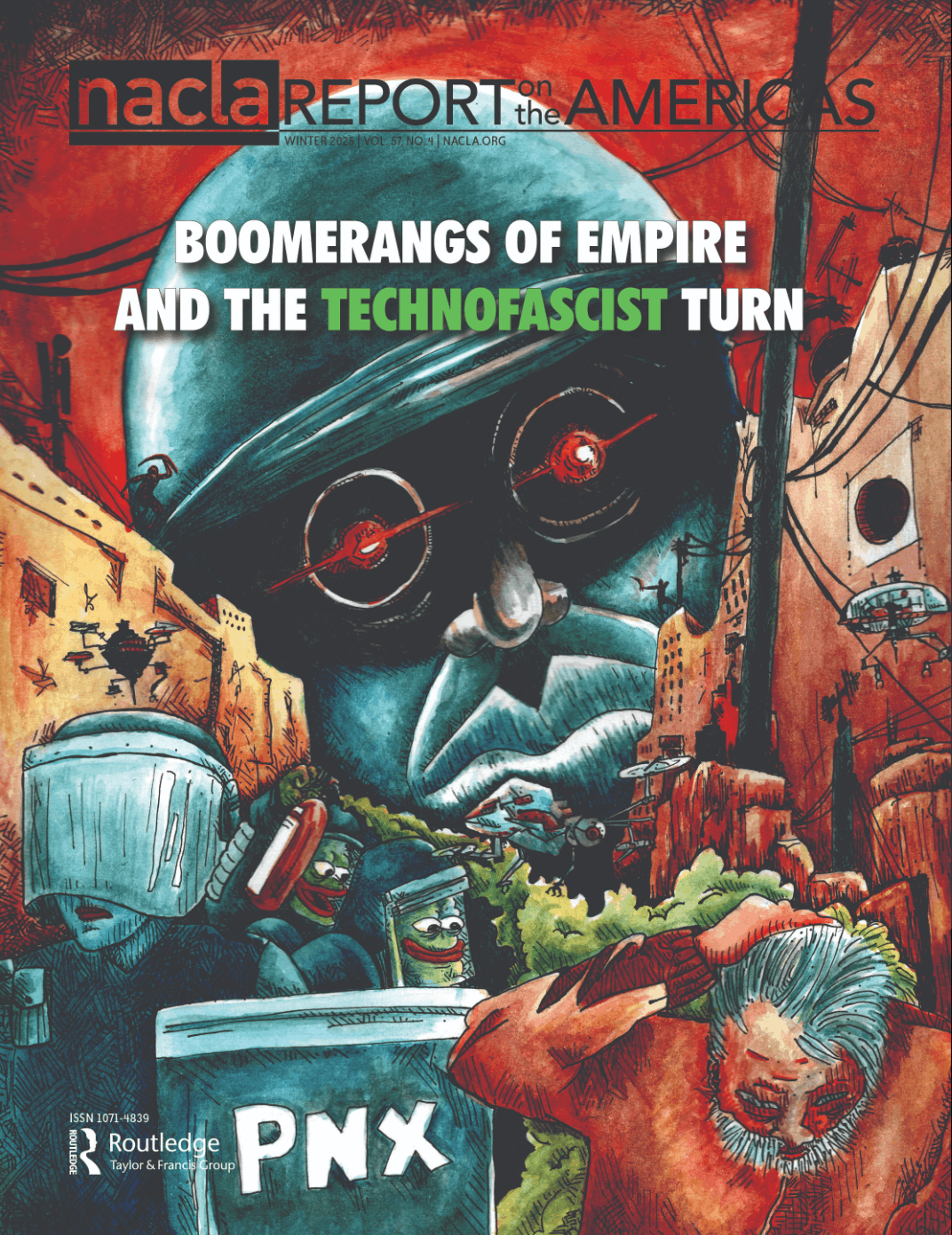
OUR WINTER ISSUE IS OUT IN PRINT!
After long delays on the part of our publisher, our winter issue is out and available free to access in its entirety for a limited time! Read it here!
In 1950, Martinican author Aimé Césaire used the term "imperial boomerang" to describe a historical circuit, in which the tactics of imperial domination tested abroad return home, reshaping the very societies that invented them. Our winter issue, “Boomerangs of Empire and the Technofascist Turn,” takes Césaire’s insight not as metaphor but as method, tracing how this returning and disseminating violence is shaping the Americas today.
Please consider making a donation to support more work of this kind at a time of increased hardship and pressures for independent media.
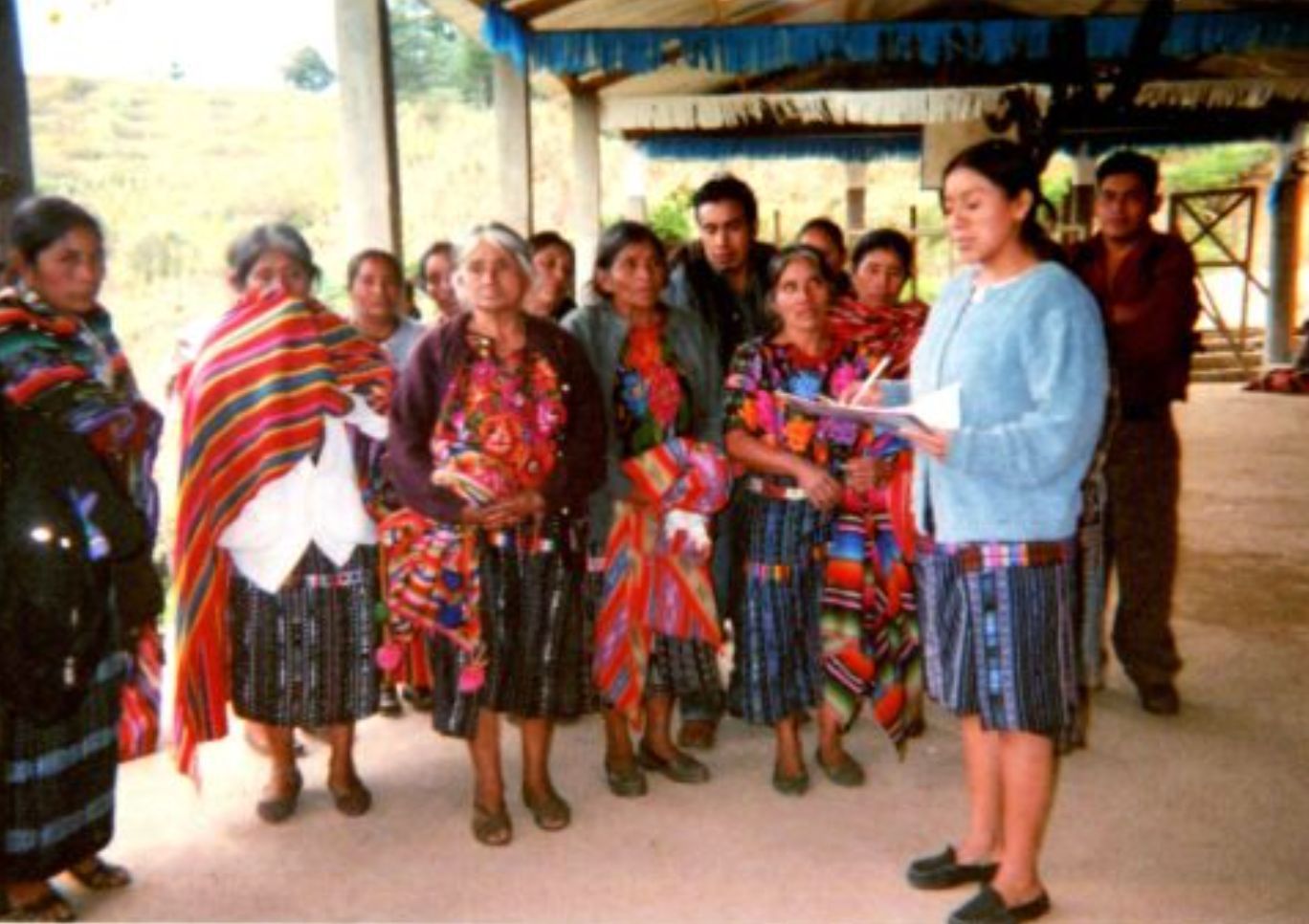
For over ten years, Angélica Macario has sought to preserve the archive of the Council for Ethnic Community Runujel Junam in a struggle to keep the memory of the genocide alive.
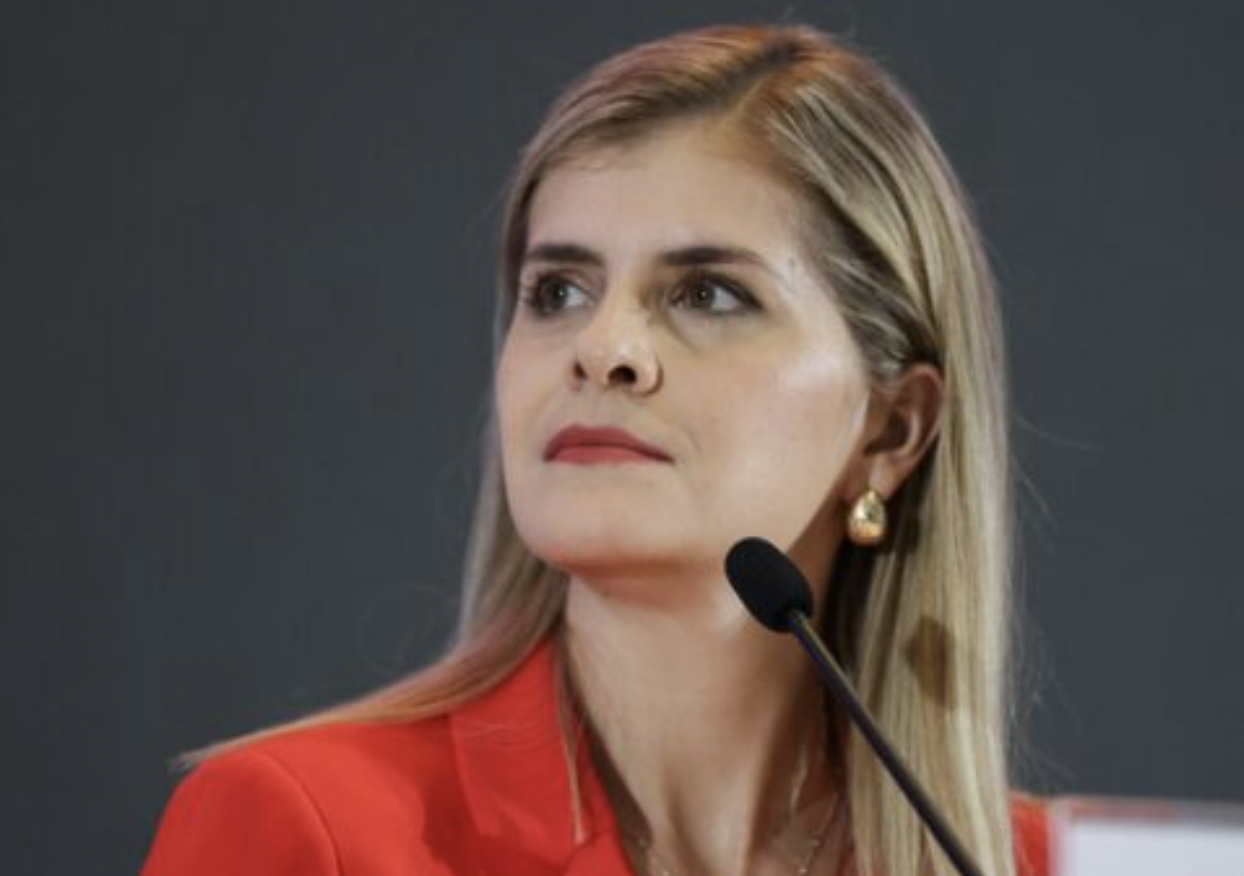
Preocupados por una creciente sensación de inseguridad, los costarricenses eligieron a Laura Fernández, una candidata del partido gobernante cuyo predecesor lideró un proyecto político que rompe con la tradición democrática del país.
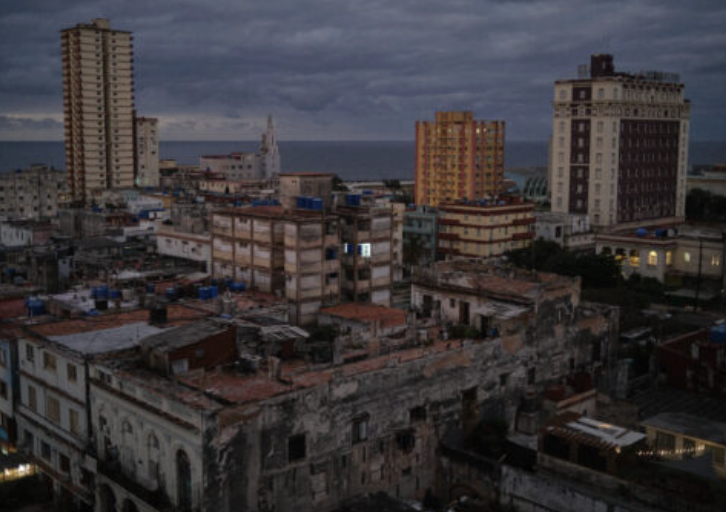
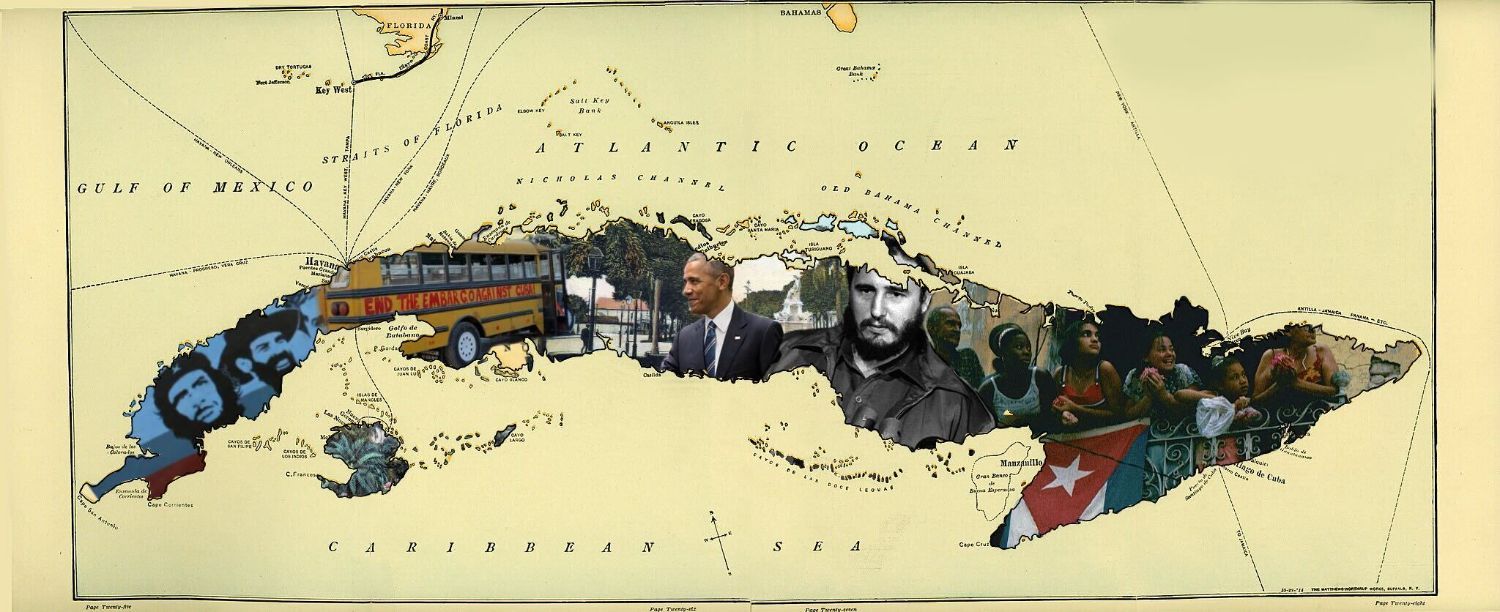
This photo is from NACLA's upcoming Cuba Reader, which will be released next week. NACLA editors have selected several articles from decades of coverage to provide you with the information you need to understand the escalating war on Cuba.
AROUND THE REGION
U.S. STRIKES KILL 11—U.S. military officials announced Monday that they had struck three alleged “drug boats” in the eastern Pacific and Caribbean, killing 11 in one of the deadliest days of its months-long campaign. As in previous operations since the strikes began in September, the Trump administration provided no evidence, other than a grainy video, to substantiate its claim that those killed were “narcoterrorists.” Past incidents—including cases in which the victims were identified as fishermen and one in which an Ecuadorian survivor was released after authorities determined he had committed no crime—call into question the connections between these boats and drug trafficking. But as WOLA argued last week, even confirmed involvement in the drug trade is “not a capital offense under U.S. or international law” and does not justify “extrajudicial execution.” Monday’s strikes bring the death toll to 145 people, a staggering figure that continues to climb as mainstream media coverage has sharply declined.
GUATEMALA’S STATE OF EMERGENCY ENDS—Guatemalan troops and military police deployed across Guatemala City on Tuesday as part of the beginning of “Plan Sentinel,” an operation that will target gang-controlled neighborhoods in the capital and surrounding areas. The plan began days after President Bernardo Arévalo announced the formal end of a month-long state of emergency—declared in January after a deadly weekend of prison uprisings and police killings—and its replacement with a less-restrictive 15-day “state of prevention.” The return of some constitutional guarantees that had been temporarily restricted quelled fears that Guatemala was set to mirror the Salvadoran experience in which President Nayib Bukele took advantage of an insecurity crisis to amasspower, curtail basic human rights, and crack down on dissent. In his Sunday speech announcing the transition to a new phase of Guatemala’s battle against gangs, Arévalo claimed that the country had made massive strides forward through its more “surgical” approach to organized crime, including a large drop in homicides, the capture of more than 90 gang members, and better control of its prisons.
CRISIS IN CUBA—Cuba careened further into a full-blown humanitarian crisis this week as the fallout from the Trump administration’s oil blockade intensified. Trash piled up on city streets as collection trucks were left without fuel; hotels and beaches emptied out as tourists left the country amidst flight shortages; and fears mounted of impending food shortages, even as aid arrived from abroad. Though the noose is tightening, the Trump administration's approach seems to be increasingly geared towards accommodation with the current government—as it did in the case of Venezuela. Indeed, a week after it was reported that Secretary of State Marco Rubio was intentionally blocking all negotiations with the Cuban government, Axios reported this week that Rubio is holding secret talks with Raul Castro’s grandson. Rubio has also resisted more drastic measures proposed by hardliners in South Florida, including the indictment of Castro and a crackdown on all U.S. flights to the island. A slight moderation of tone or not, taking these "negotiations" at face-value by accepting the premise that Cuba’s government can “make a deal,” obscures the violence of a U.S. blockade that is routinely condemned by nearly the entire international community.
¡CAMILO VIVE!—Sixty years after his death at the hands of the Colombian army, the remains of revolutionary priest Camilo Torres were formally interred after a mass was held at the National University of Colombia (UNAL). Years before his famous “Proclamation to the Colombian People” in which he announced that he had formally joined the ELN guerrilla, the “rebel priest” had played a crucial role at UNAL, serving as chaplain and a co-founder of the institution’s famed Sociology Department. After years of groundbreaking academic work dedicated to studying and reshaping Colombian violence, poverty, and democracy, Torres founded a mass political movement in 1965 before formally joining the guerrilla the following year—only to be killed in action shortly after. His remains were missing for six decades, only to be found in 2024 in a military cemetery. After more than two years of intensive testing to identify his remains, the Search Unit for Disappeared People (UBPD) formally handed over Torres’ remains to Father Javier Giraldo on Sunday. Torres, a practitioner of liberation theology whose teachings on love and struggle have inspired activists the world over in their fight for a better world, will rest in an ossuary in the very same chapel over which he presided decades earlier.