More than a month has passed since the Trump administration invaded Venezuela, kidnapped President Nicolás Maduro, and began pressuring the government of Delcy Rodríguez to carry out sweeping political and economic reforms. Those changes continued apace this week.
The most closely watched proposal has been a general amnesty for political prisoners, announced last week by Rodríguez in a speech to the Supreme Court. On Thursday, lawmakers began to formally examine the law, known as “Amnesty for Democratic Coexistence,” which would cover charges frequently used against critics—including terrorism,” “treason,” and spreading “hate.” The proposed legislation applies to the “the entire period of political violence from 1999 to the present,” according to Rodríguez, and will restore political rights to barred opposition figures such as María Corina Machado. While more serious crimes are excluded, the proposal coincided with the government's announcement that it would move to close the notorious El Heliocide prison, a complex in Caracas that was intended to be a shopping mall but came to serve more nefarious means. The government announced plans to convert it into a cultural center, a proposal derided by critics who went so far as to call for Southern Cone-likememory sites in a strained comparison that does not fit the political reality of Venezuela under Chavez and Maduro.
Reforms to the oil sector—the central motive behind the violent U.S. invasion—have also been far-reaching. A new hydrocarbons law, enacted last week, grants a larger role to private companies, lowers taxes, and allows independent arbitration of disputes, a key demand of foreign investors. The same day, the Trump administration eased some sanctions on the oil sector, issuing a license that enables U.S. companies to buy, sell, transport, and refine Venezuela’s crude oil, while maintaining production limits that now appear set to be rolled back. Exports have nearly doubled over the last month, rising from 498,000 barrels per day in December, when the U.S. began illegally seizing oil tankers, to 800,000 in January. These numbers remain below last year's average, and the United States continues to seize tankers and control oil revenues, releasing funds to the Venezuelan government only conditionally.
On Wednesday, the Trump administration turned over the remaining proceeds from an initial$500 million oil sale, signalling satisfaction with the government’s compliance. Venezuelan officials said the funds will be used to stabilize the economy, curb inflation, and pay workers, and announced a new platform to disseminate information about its spending.
Diplomatic ties have also warmed. After a January visit by CIA director John Ratcliffe, the new U.S. charge d’affaires Laura Dogu traveled to Caracas to meet with Rodríguez and begin the process of reopening a diplomatic mission. The arrest of Alex Saab, a Maduro ally and former government official who was reportedly detained by the FBI and Venezuelan intelligence on Wednesday, further underscored growing cooperation. Saab was imprisoned in the United States for years on money laundering charges before being returned to Caracas in a prisoner swap in 2023.
As these shifts unfolded, thousands of Venezuelans marched in the streets of Caracas to commemorate one month since the invasion, demanding Maduro’s release and denouncing the violation of national sovereignty. Even so, mainstream media in the U.S. has framed the Rodríguez government’s reforms as too slow, insufficient, or a facade to cover ongoing authoritarianism—all while quietly jettisoning the actual invasion to the background.
Since its founding in 1967, NACLA has worked to expose and oppose U.S. intervention in Latin America. In the face of lies and propaganda generated by the U.S. government, and a mainstream media often complicit in legitimizing U.S. actions, NACLA has sought to be a source of reliable information about the facts on the ground.
In this dossierof articles and podcast episodes, NACLA offers several pieces that aim to help readers understand the facts about Venezuela’s recent history, the rise and significance of the Chavista movement, the role of oil in shaping the country’s political economy, and evolving relations between the Maduro government and the United States.
WINTER ISSUE AVAILABLE OPEN-ACCESS
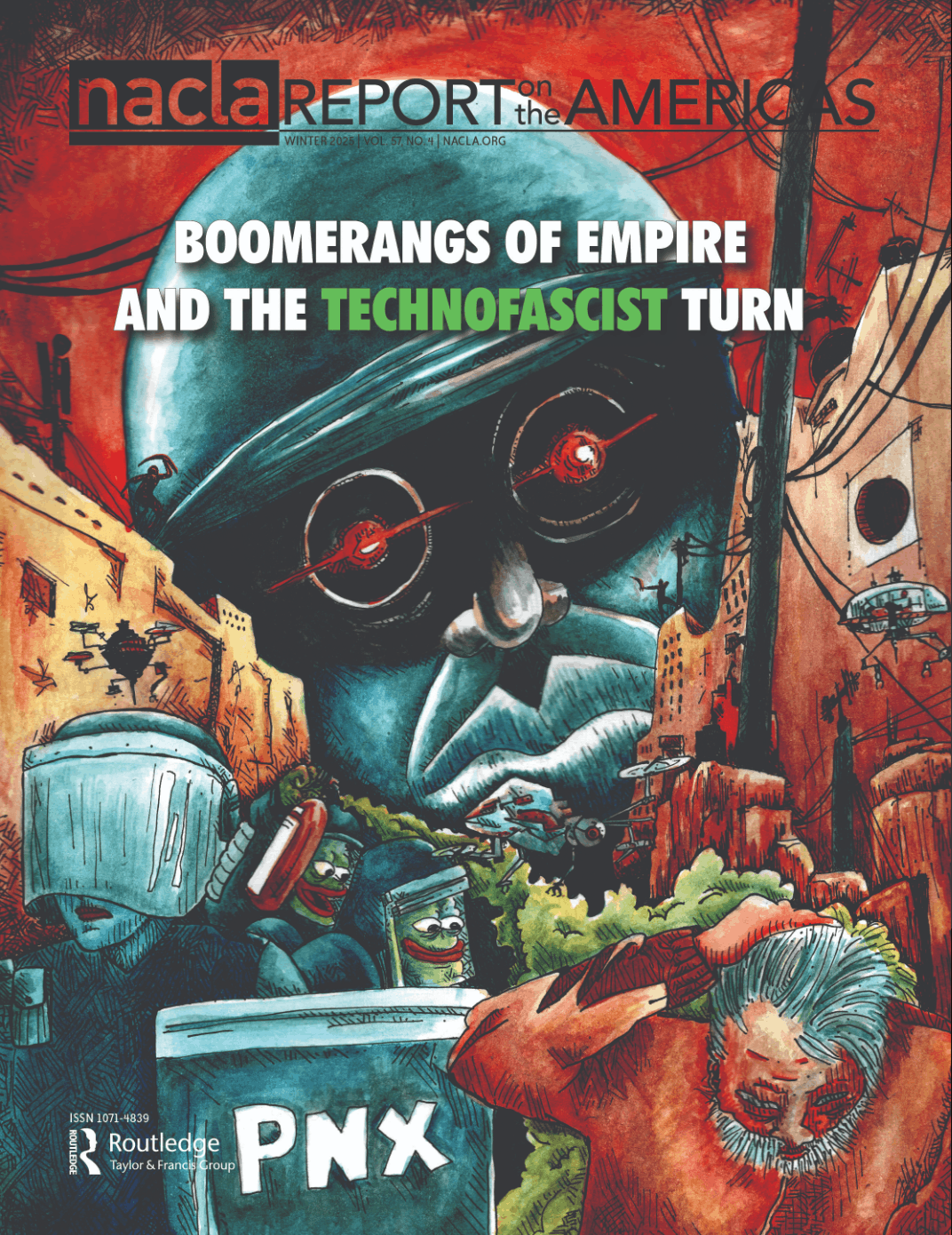
After long delays on the part of our publisher, our winter issue is out and available free to access in its entirety for a limited time! Read it here! If you are a subscriber, print copies will arrive in the mail soon.
In 1950, Martinican author Aimé Césaire used the term "imperial boomerang" to describe a historical circuit, in which the tactics of imperial domination tested abroad return home, reshaping the very societies that invented them. Our winter issue, “Boomerangs of Empire and the Technofascist Turn,” takes Césaire’s insight not as metaphor but as method, tracing how this returning and disseminating violence is shaping the Americas today.
Please consider making a donation to support more work of this kind at a time of increased hardship and pressures for independent media.
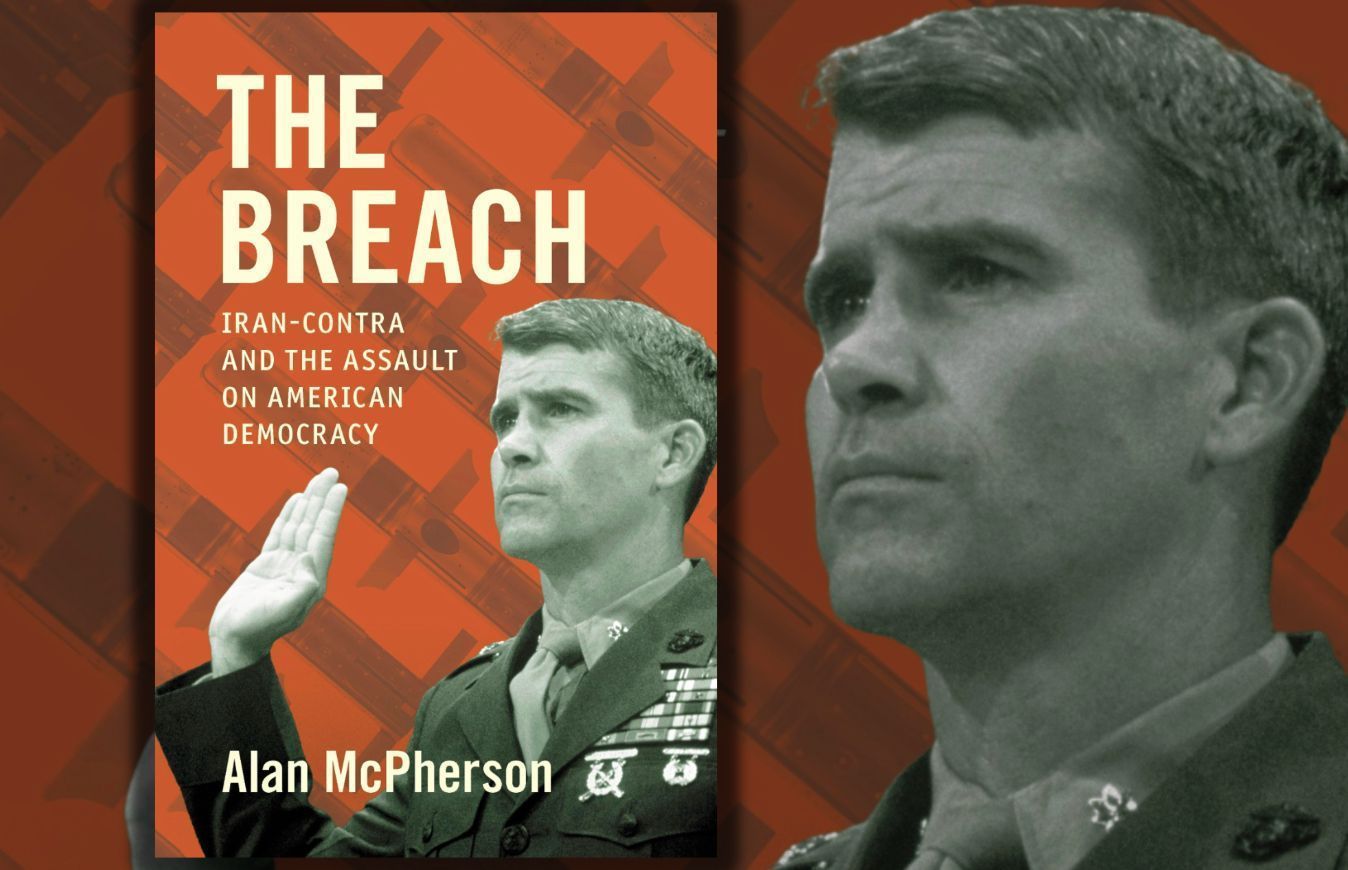
Alan McPherson’s book treats the Iran-Contra affair as a turning point in U.S. history, one which normalized the erosion of key democratic principles and helped birth our current (dis)order.
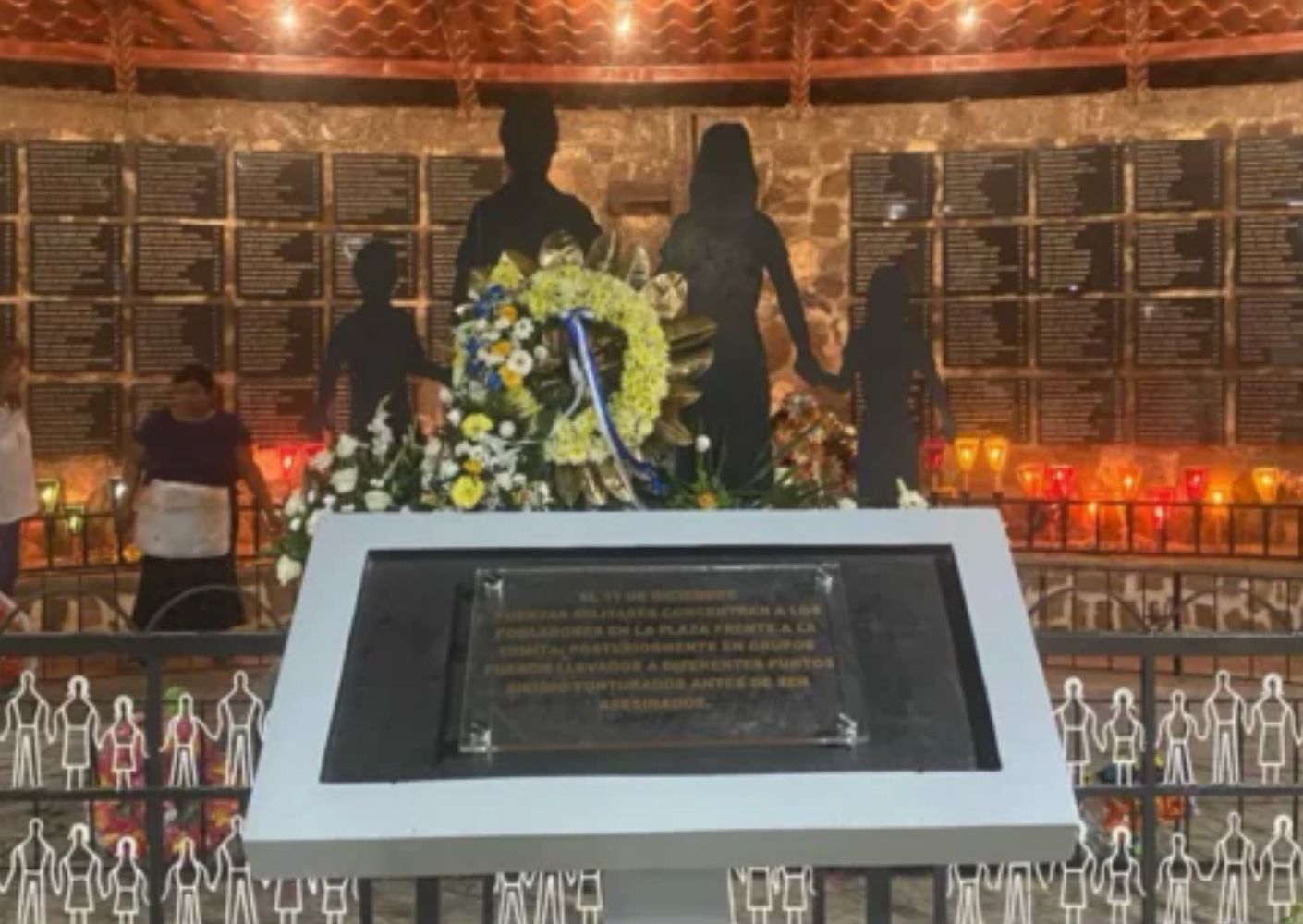
A state-backed film detailing the 1981 massacre at El Mozote raises thorny questions about the country’s civil war as the victims continue fighting for justice.
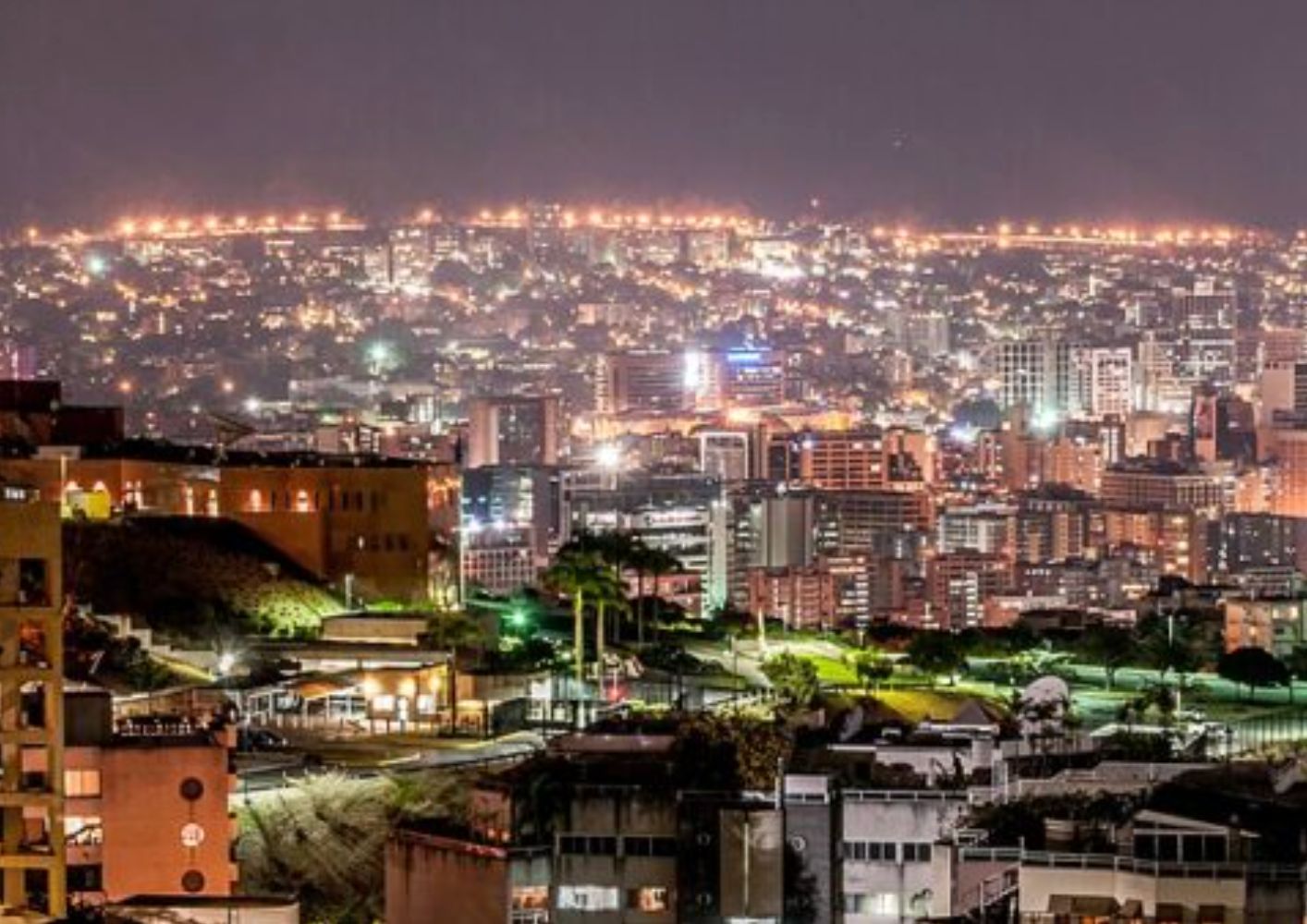
The United States has painted its January 3 invasion of Venezuela as a surgical operation. But for those on the ground it was a disaster. The US killed more than 100 people. It hit civilian targets and left terror and destruction in its wake.
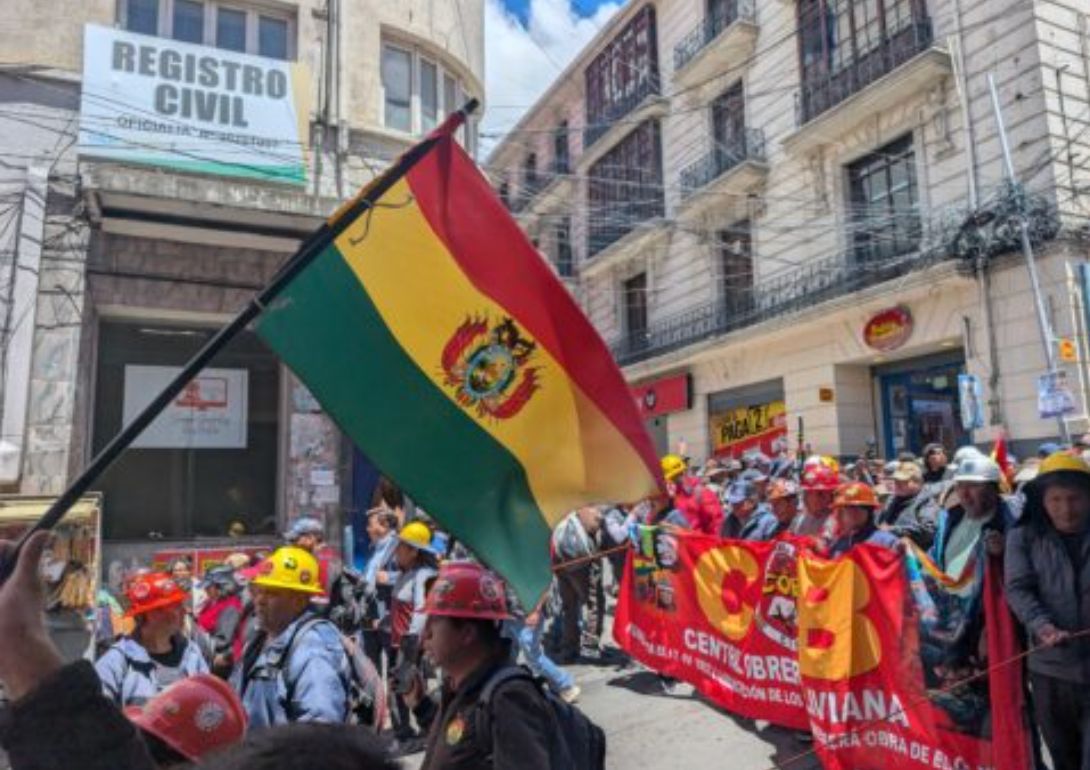
Tras una serie de protestas por recortes en los subsidios al combustible que paralizaron el país, los poderosos movimientos sociales de Bolivia abren un nuevo capítulo y se enfrentan a nuevas formas de represión.
IMAGE OF THE WEEK
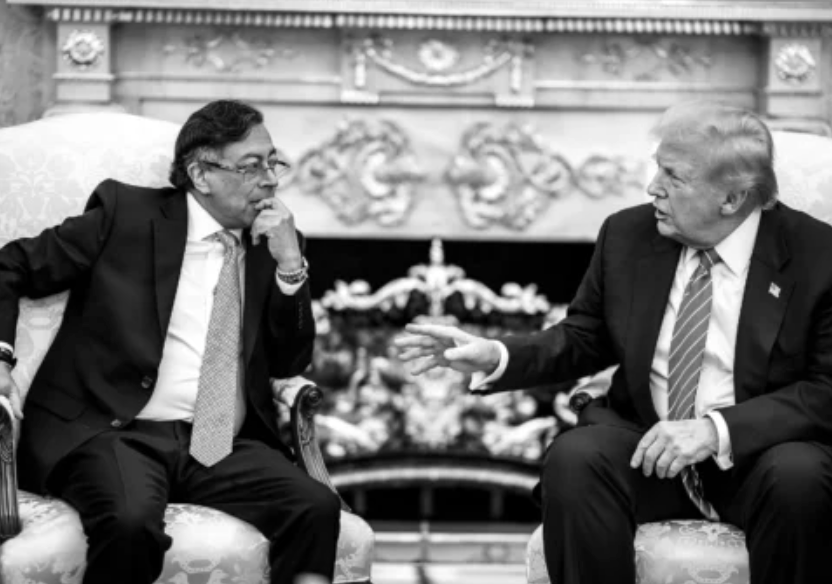
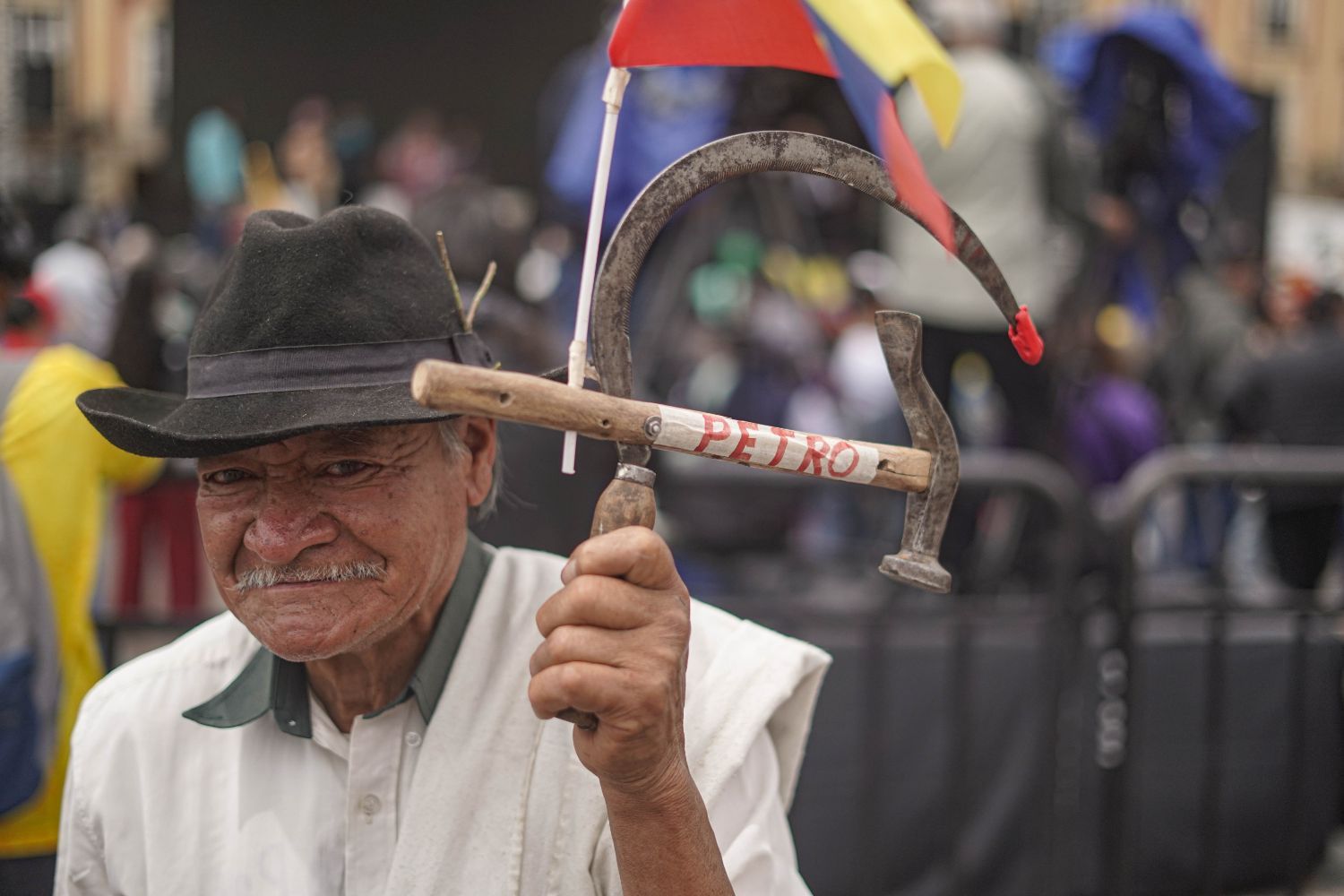
Thousands of Colombians rallied on Tuesday as President Gustavo Petro met with Donald Trump in Washington. Petro called for mobilizations to support his visit and defend the country's sovereignty in the face of threats from the Trump administration. For more on Petro's visit, read Cruz Bonlarron Martínez's piece for NACLA. (Daniela Díaz)
AROUND THE REGION
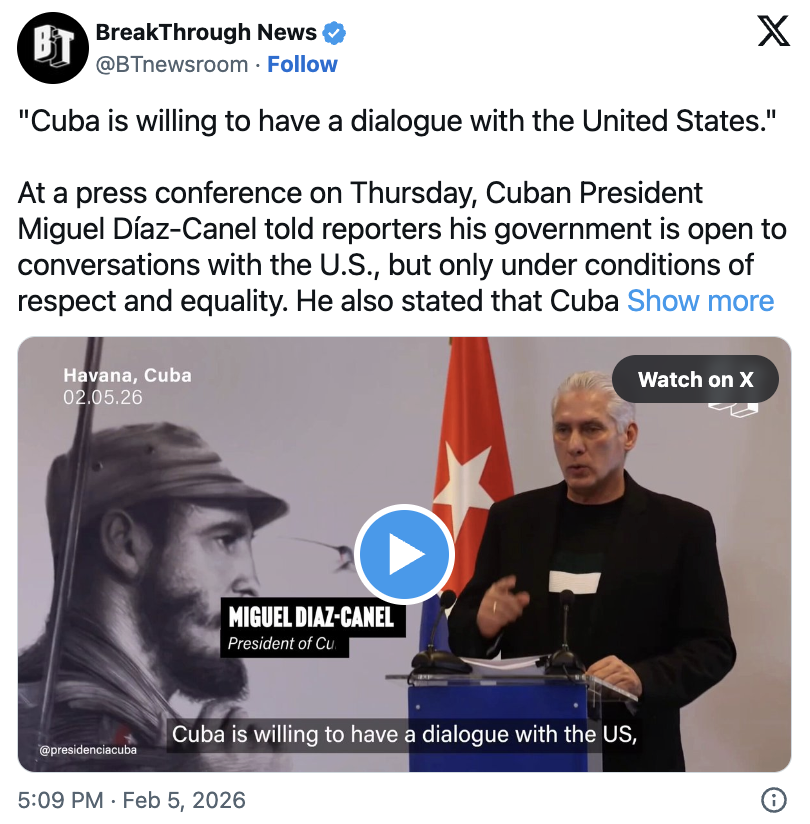
CUBA IN THE CROSSHAIRS—Cuba stridently rejected the accusation that it poses a security threat to the United States, denouncing a key pillar of Washington’s intensifying pressure campaign. Days after the Trump administration declared a “national emergency” over what it called an “unusual and extraordinary threat” from the Cuban government, the island’s Foreign Ministry released a statement denying any support for terrorism and calling for renewed dialogue. The Trump administration has since confirmed that a line of communication has been re-opened. The diplomatic opening follows weeks of escalating U.S. threats in the wake of the kidnapping of Venezuelan President Nicolás Maduro, most notable through an intensified energy embargo. As part of his "emergency" declaration, Trump threatened tariffs on any country that sells oil to Cuba, a move widely interpreted as a threat to Mexico, which responded by pledging continued humanitarian aid. Analysts warn that if the energy strangulation continues, Cuba could run out of fuel in less than three weeks, a situation Mexican President Claudia Sheinbaum warned could trigger a “humanitarian crisis.”
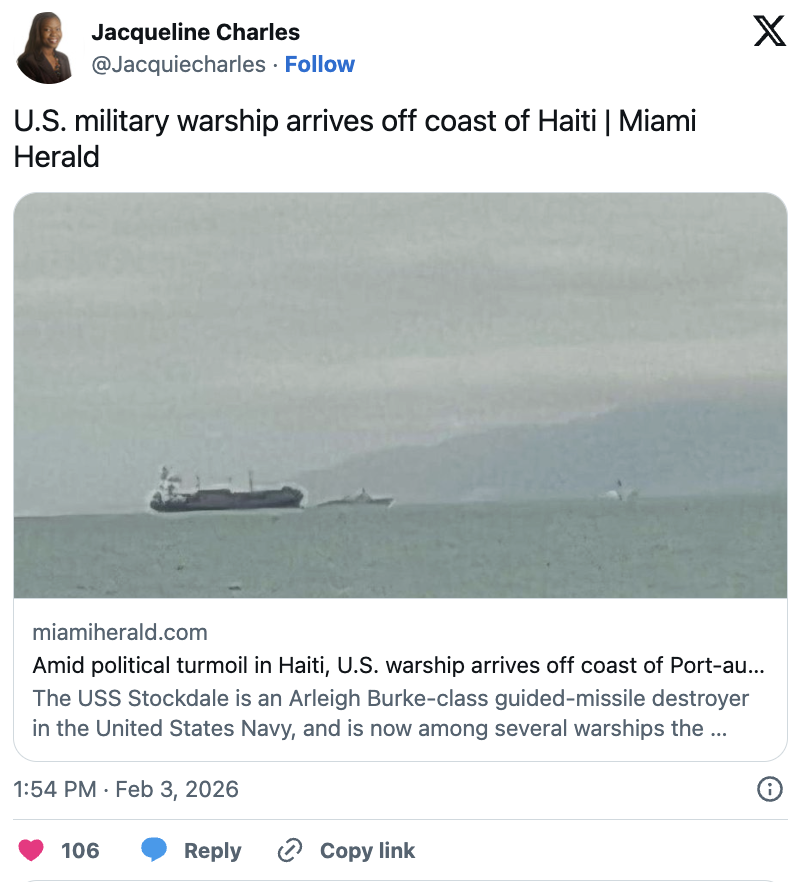
TPS FOR HAITIANS—The day before up to 350,000 Haitians were set to lose their temporary protected status (TPS), a federal judge blocked the Trump administration from implementing its draconian policy of rolling back crucial migrant protections. In her decision, Judge Ana Reyes lambasted Department of Homeland Security Secretary Kristi Noem’s characterization of migrants as “killers, leeches, and entitlement junkies.” Reyes instead highlighted that the five Haitian plaintiffs included a "neuroscientist researching Alzheimer's disease,” a “software engineer,” a "laboratory assistant,” a “college economics major,” and a “full-time registered nurse.” The attempt to revoke TPS for Haitians comes as gang violence devastates the country, lending credence to the idea, aired by defense attorneys, that termination of protected status means “people will die.” Haitians are but the latest group of TPS holders targeted by the Trump administration: Noem has attempted to revoke protections for up to 600,000 Venezuelans; 60,000 migrants from Honduras, Nepal, and Nicaragua; more than 160,000 Ukrainians; and thousands of people from Afghanistan and Cameroon, all with varying degrees of success.
PETRO IN D.C.—Colombian President Gustavo Petro met with Donald Trump on Tuesday in the White House for a crucial meeting between two leaders who have long sparred over issues as diverse as drug eradication, Palestine, and U.S. intervention. In the lead-up to his trip, Petro called for mass rallies across Colombia to coincide with his meeting, which were attended by thousands and focused on defending the country’s sovereignty (see the photo of the week). While full details of the closed-door meeting have not been released, initial reports and the statements of the two leaders point to an amicable exchange: Petro posted a photo of a signed copy of Trump’s The Art of the Deal, while Trump called Petro “terrific.” As Cruz Bonlarron Martínez argued in a piece for NACLA this week, the positive outcome could bolster the Colombian left ahead of crucial elections and demonstrated Petro’s diplomatic skills. The meeting also had immediate repercussions. In response to reports that the Colombian government shared a list of top drug-trafficking targets— including Jobanís de Jesús Ávila Villadiego (alias “Chiquito Malo”), the head of the “Gulf Clan”—the criminal organization announced it was suspending ongoing peace talks with the Petro government.