On Friday, August 7, far-right narcolawyer Abelardo de la Espriella will be inaugurated as Colombia’s president. The day’s events are expected to be extremely contentious: there are severe restrictions on mobility in the city of Cali, where de la Espriella will be sworn in; threats of terrorist attacks have heightened security fears; and the left-wing opposition has denounced the incoming leader as “illegitimate” and called for massive protests in major cities, including Cali.
This is the first Colombian presidential inauguration in modern history to take place outside of Bogotá. It is a very symbolic move on the part of de la Espriella, a self-proclaimed outsider with long-running ties to the country’s elites and paramilitaries. His campaign was vocal about decentralization and, after failing to get sworn in on a military base in the conflict-ridden Cauca department, he settled on Cali, the country’s third most-popular city. The city has recently been targeted by numerous armed groups, underscoring security fears around the inauguration. The proximity of the country’s ongoing armed conflict to Cali’s proceedings, as well as the incoming leader’s promise of a fierce crackdown on criminal organizations, have added to the tensions.
The city’s reliable left-wing bonafides may also add to the tension—in recent years, Cali has played a key role in the rise of the country’s progressive forces. In 2021, its young people played a leading role in the national strike—known as the estallido social; the city’s youth, which were immensely brutalized by state forces during the protests, memorialized their struggle in the “Monument to the Resistance,” a sculpture adorned with the names of those who were killed in the protests. The incoming government is attempting to knock down the statue the same day as the inauguration, deeming it an ode to “terrorism.” Activists in the neighborhood of Puerto Resistencia will in part be mobilizing on Friday to defend the sculpture.
But the list of grievances for those who oppose de la Espriella is much more expansive than defending the statue. For some, as in the case of the presidential runner-up Ivan Cepeda, his illegitimacy has to do with his U.S. citizenship, which he has called upon him to renounce. Others from the Pacto Histórico party fear he will betray Colombian sovereignty and govern as “Donald Trump’s puppet.” President Gustavo Petro has gone the furthest, claiming that the result was fraudulent and that Ivan Cepeda actually won the election, a claim he reiterated on Monday. While experts have been extremely skeptical, it is clear that Petro’s claims have dramatically ratcheted up the tensions.
De la Espriella’s rise to power is another victory for the region’s right-wing forces, most of whom will be in attendance. His domestic agenda promises a mano dura crackdown, business-friendly economic measures, and the persecution of his political opponents, a similar playbook used by other countries in the region. His international agenda, too, is extremely similar: he has already set about strengthening ties to the Trump administration and bolstering Colombia’s relationship with Israel.
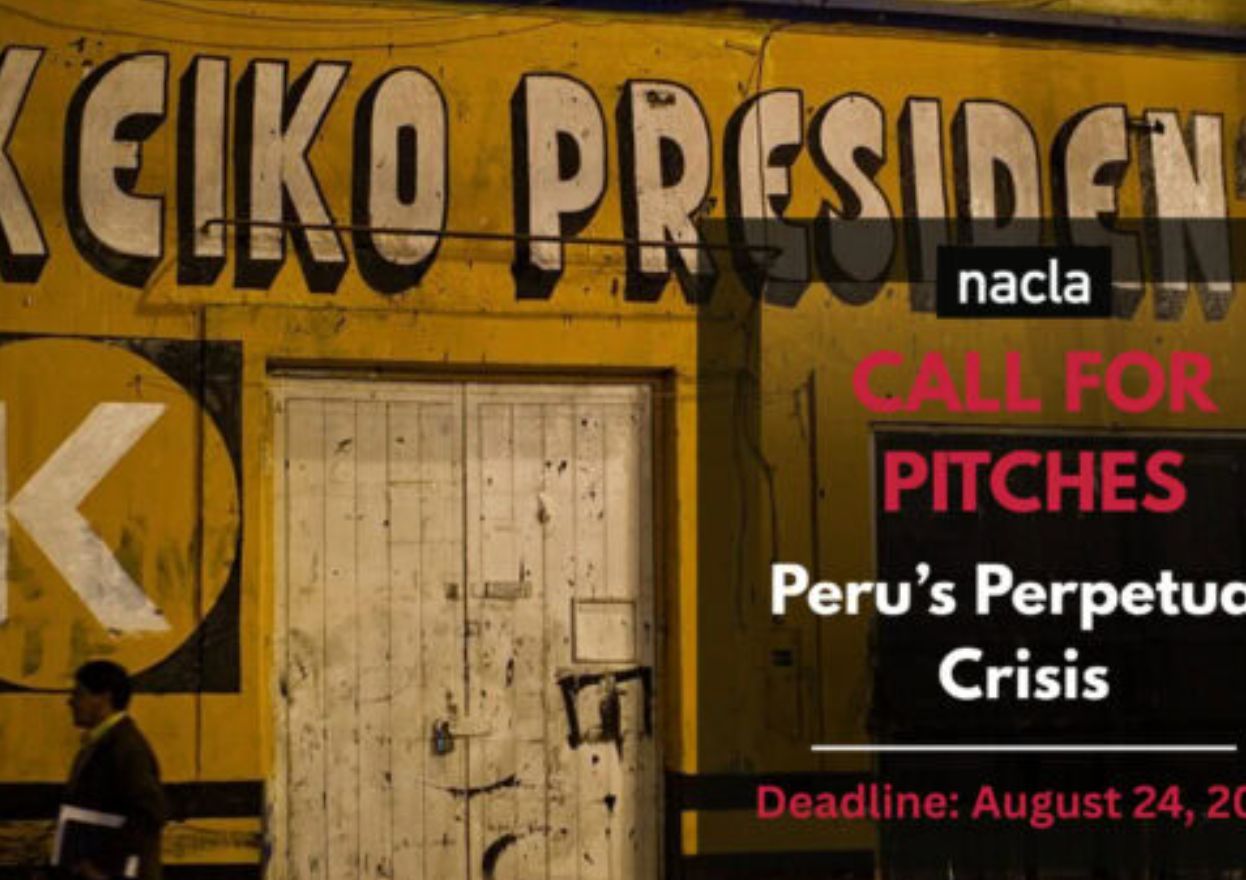
NACLA invites original contributions centered on Peru’s enduring institutional and political crisis (2018 – present), the legacy and resurgence of historical Fujimorismo, and the challenges ahead following Keiko Fujimori’s election as president for our Spring 2027 issue. Guest edited by Javier Puente and Gonzalo Romero, this issue will bring together detailed perspectives that collectively dissect Peru’s seemingly perpetual crisis and the emergence of a “hybrid regime” combining authoritarianism, corruption, and social repression, with troubling consequences for popular democratic legitimacy.
Please send a brief pitch (250 words) outlining the central argument, approach, and tone of your proposed contribution and why you are well positioned to write it by Monday, August 24 to managing editor Julianne Chandler at [email protected]. We will respond to pitches by early September. Drafts of accepted articles (2,500-3,500 words) will be due on December 1, 2026.
NEW ISSUE COMING SOON!
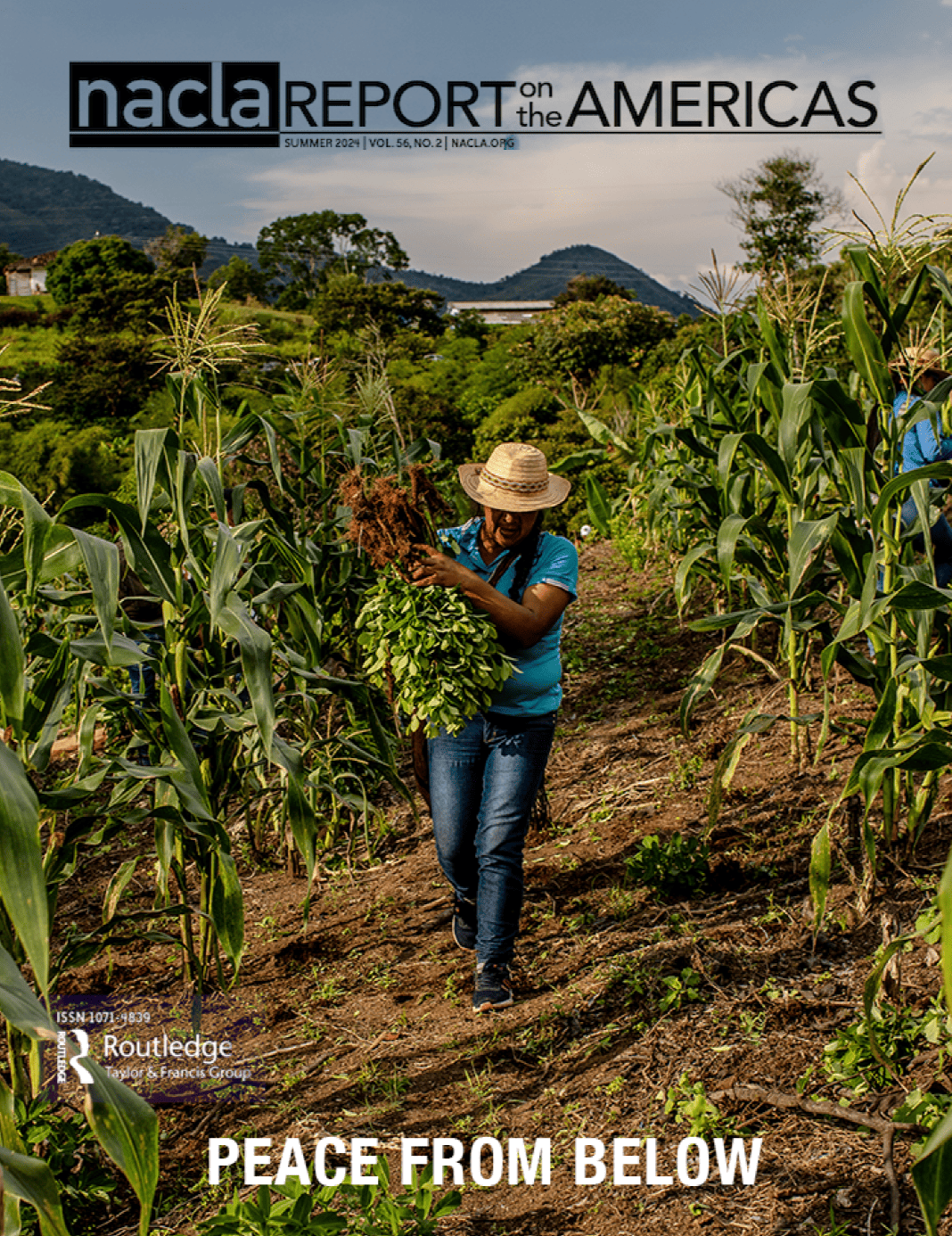
Subscribe now to receive NACLA’s fall 2026 issue, “Peace from Below,” examining the promises, achievements, and shortfalls of Colombia’s historic Peace Agreement signed a decade ago.
Guest edited by Anthony Dest and Diana Gómez Correal, the issue foregrounds the voices, analysis, and testimony of grassroots movements at the forefront of building peace, including former insurgents, buscadoras leading the search for the disappeared, victims of state violence, exiles displaced by the armed conflict, and campesino, Indigenous, and Afro-descendant communities that continue to confront multiple forms of violence at the hands of armed groups. At a critical moment, when an incoming far-right administration threatens to undo the hard-fought gains of the peace process, this collection centers the proposals, struggles, and demands of Colombians deeply committed to building peace from below.
If you haven’t done so already, SUBSCRIBE NOWto receive your issue in the mail. And, as always, please consider SUPPORTING THIS WORK.
NACLA is currently accepting proposals for our Spring 2027 issue on the resurgence of Fujimorismo and institutional crisis in Peru. Send us your pitches by August 24, 2026.
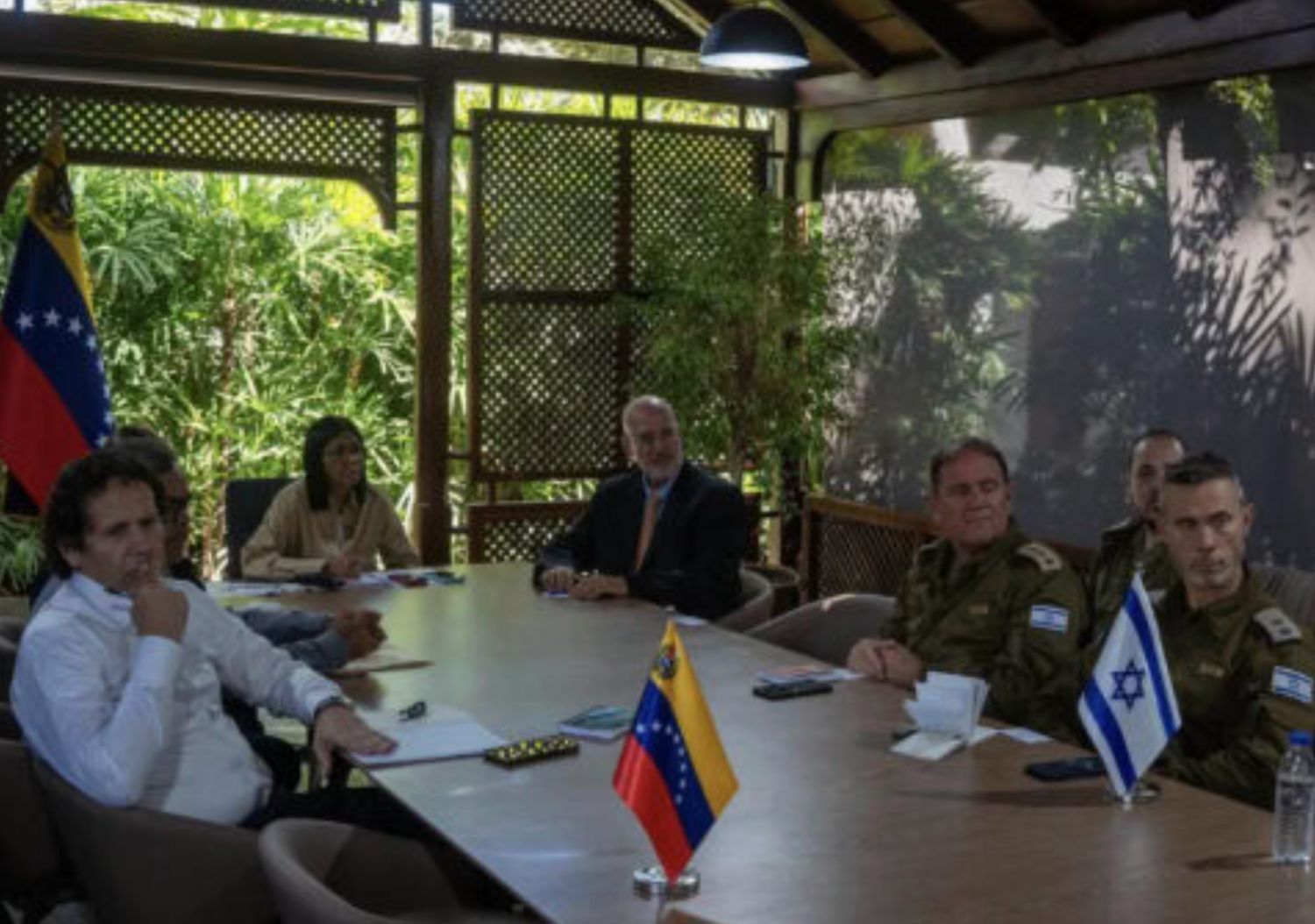
Israel’s aid mission to Venezuela has been framed by both sides as a step towards a deeper relationship, much to the chagrin of activists on the ground.
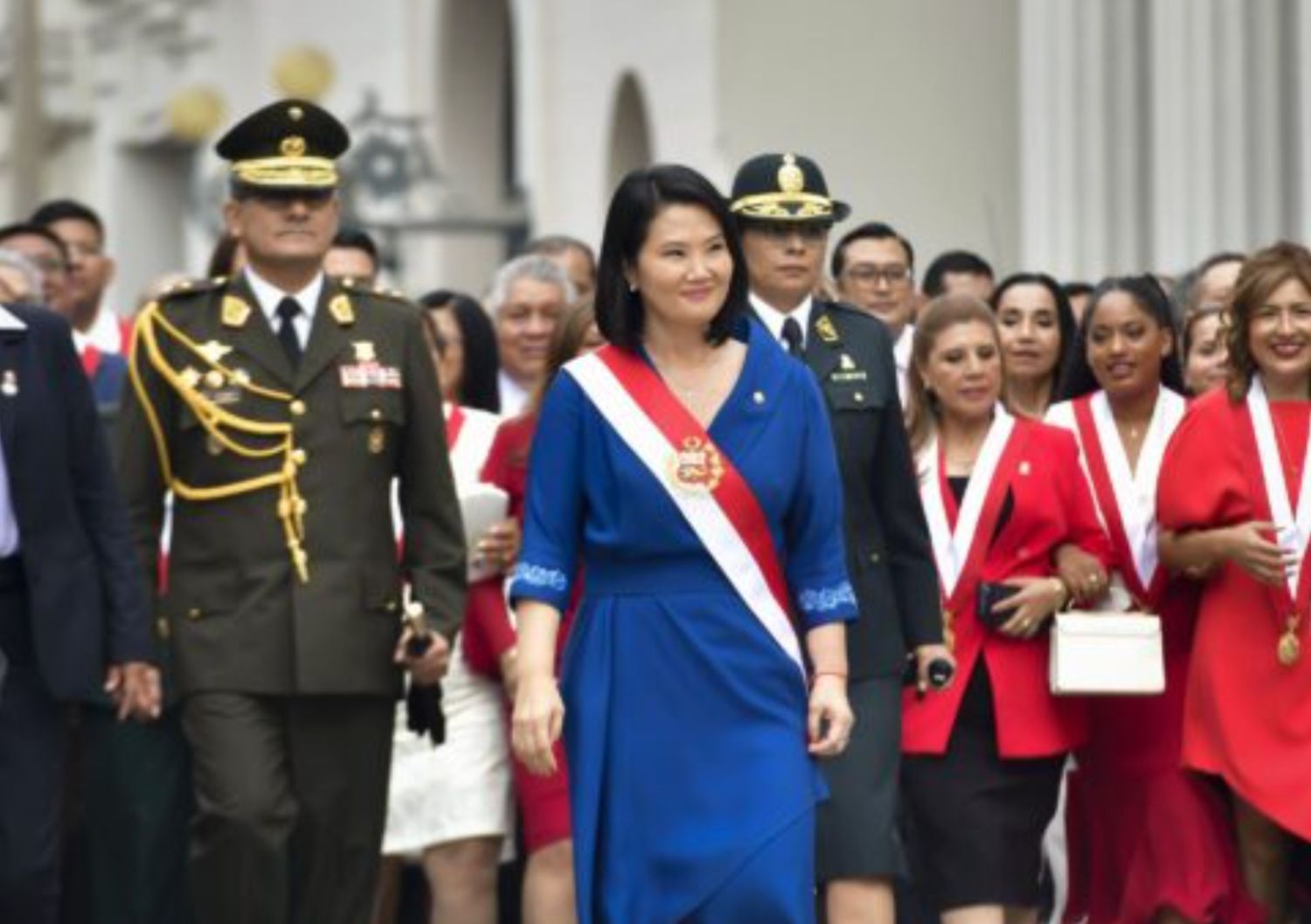
As Keiko Fujimori assumes power, the new president is reviving her father's hard-line approach to security and the economy—policies that once pushed Peru's fragile democracy to the brink.
IMAGE OF THE WEEK
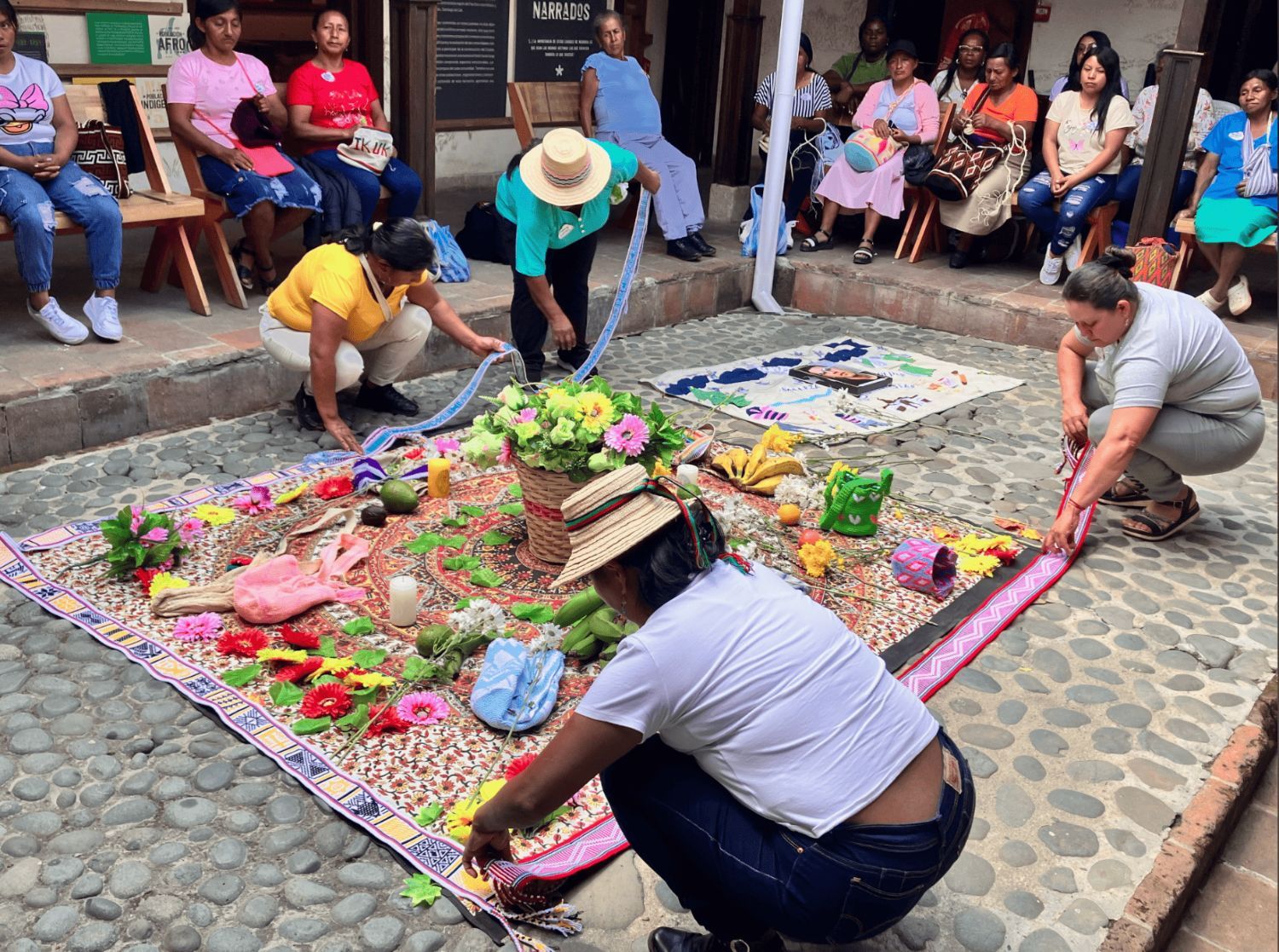
A Meeting of Women Searchers for Disappeared Persons in Southwestern Colombia, held in October 2025 at the House of Memories in Cali, Colombia. For more on the search for the disappeared in Colombia by Indigenous women search collectives, stay tuned for NACLA's forthcoming print issue, "Peace From Below." (Elisa Ribeiro)
AROUND THE REGION
GROWING U.S.-BRAZIL TENSIONS—The rift between the Trump administration and the government of Brazilian President Luiz Inácio “Lula” da Silva has reached new heights. Maria Luiza Ribeiro Viotti, the country’s ambassador to the United States, had her visa revoked by the State Department in retaliation for the Brazilian government’s ongoing withholding of approval for Daniel Perez, the U.S. pick for ambassador. The move, which will not lead to Ribeiro Viotti’s expulsion but would force her to reapply for a visa if she left the country, came as a result of the U.S. accusation that Lula’s administration is breaching protocol by not confirming Perez—a necessary step for him to assume the role. The Brazilian government has rejected this accusation, arguing instead that the Trump administration breached protocol in nominating Perez without consulting them. They also argued that the U.S. move formed part of a larger pattern of “deliberate escalation of hostile measures against Brazil”—including the recent imposition of tariffs and U.S. interference in Brazil’s upcoming elections.
HOUSE ARREST FOR INDIGENOUS LEADERS—Luis Pacheco and Hector Chaclán, two well-known Indigenous leaders who have been in prison since April of last year due to their role in the 2023 protests that defended President Bernardo Arévalo’s electoral victory, were granted house arrest in their ongoing trial. While their release from preventive detention was a step forward, their case—widely considered to be a sham trial pursued by Arévalo’s opponents for political reasons—is ongoing. In addition, the conditions attached to their release were extremely restrictive—including a hefty fine, monthly check-ins, and an upholding of the ban on holding office, which will prevent Pacheco from returning to his previous role as Vice Minister of Energy and Mines. At the time of their arrest, Arévalo was locked in a long-running battle with members of the opposition who controlled key levers of power, most notably former Attorney General Consuelo Porras. The resignation of Porras and her allies, who had led the charge to prevent Arévalo from taking office, was a key demand of the 2023 Indigenous-led protests.
END OF TPS FOR HAITIANS—The last remaining obstacle to the Trump administration’s move to strip Temporary Protected Status (TPS) from 350,000 Haitians was removed on Wednesday by a federal judge, formally opening the door to their removal. Following a Supreme Court ruling in June that granted the U.S. government the right to cancel TPS for Haitian and Syrian immigrants on July 27, the day it was set to expire, employers across the country began to layoff their Haitian workers en masse, though the situation had remained in flux. On Wednesday, U.S. District Judge Ana C. Reyes—whose ruling in February had prevented the Trump administration from ending TPS— confirmed that her previous court decision was “no longer in effect.” While litigation is set to continue, mass layoffs and potential deportations are set to accelerate. Last week, immigration officials began summoning Haitian migrants in Ohio to check-ins, where they were placed in electronic ankle monitors and instructed not to travel far from their homes—a potential tactical shift by a Trump administration that wants to carry out mass deportations without the blowback of large, militarized operations.
MORE PRESSURE ON CUBA—The CIA has reportedly established a Cuba task force to direct more financial resources to the island with the goal of sowing division within the country’s political elite. News of the task force was made public the same week that Politico reported that the U.S. was increasing its intelligence presence on the island. The U.S. intelligence community has a long, sordid history of involvement in Cuban affairs, including the training of paramilitaries in the failed Bay of Pigs invasion and numerous attempts on Fidel Castro’s life. The accelerating attack on Cuba comes after months of baseless accusations from the Trump administration that foreign powers are using Cuba as a base to spy on the United States. It also comes as the crisis caused by the Trump administration’s illegal oil blockade reaches further dire proportions. On Thursday, UN human rights experts condemned a wave of recent U.S. sanctions on Cuba, warning that the international community must take urgent action to prevent the country from becoming a “silent Gaza.”