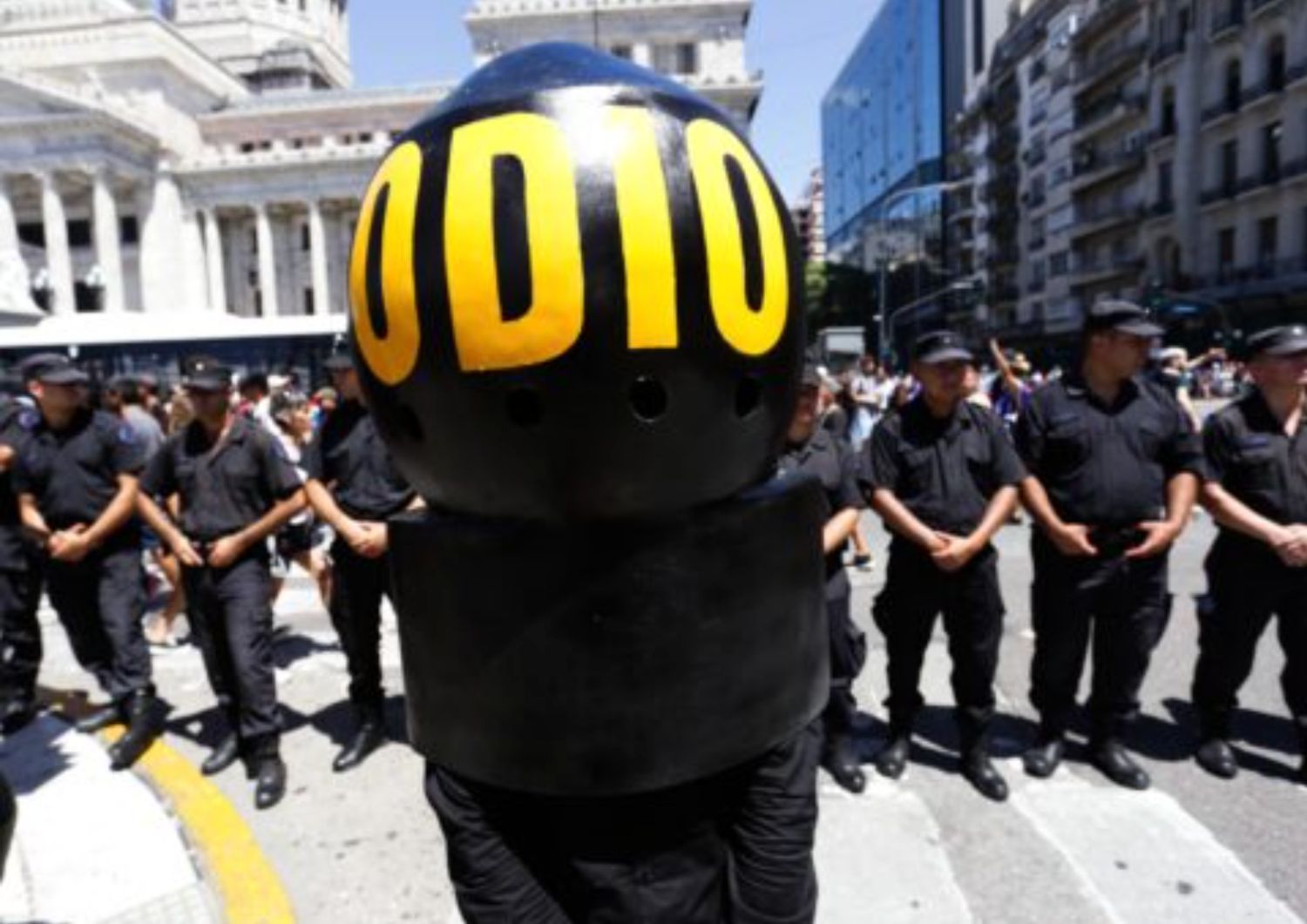
Three weeks into his term, Chile’s far-right President Jose Antonio Kast has begun to settle into his role, providing a glimpse into what the next four years may look like. Elected with 58 percent of the vote in December, Kast has already sparked backlash against his austerity measures, cuts to environmental regulations, and attacks on historical memory initiatives linked to the Pinochet dictatorship. Early polling suggests his moves have not been well received: his approval ratings have suffered a historic drop, falling by as many as 17 points.
Kast’s austerity agenda has already drawn Chileans to the streets. Last Thursday, in what marked the first protests of his term, thousands of students demonstrated against proposed changes to the education system, including a 3 percent budget cut and new limits on access to free public education. In Santiago, students clashed with police and were dispersed with water cannons and tear gas.
The demonstrations coincided with the implementation of a historic rise in the price of fuel, a policy that students also protested and that drew immediate calls for larger mobilizations. Major transportation leaders, however, have so far ruled out further action after meeting with the government. Days before, Kast announced that the state would no longer subsidize fuel prices as global oil costs surge amid the U.S.-Israeli war on Iran. Though the government has since announced targeted relief measures to cushion the impact, gasoline and diesel prices rose 32 and 60 percent respectively last week—an unprecedented jump that has become the key driver of growing public discontent.
At the same time, the Kast government also continued advancing other aspects of its agenda, including plans for its draconian crackdown on irregular migration. Weeks after Kast visited the border with Peru to oversee the construction of ditches and fences as part of “Operation Border Shield,”—a plan that also targets the Bolivian border and has drawn criticism for its environmental impact—he made another decisive move. This week, the administration announced that it would freeze the regularization of 182,000 migrants enrolled in a sponsorship program backed by his predecessor, former president Gabriel Boric. The measure overturned a decree Boric had issued before leaving office.The Kast administration claimed, without evidence, that 6,000 participants in the program had committed crimes as a justification for the cuts. It also announced that it was sending two migration bills to Congress: one to punish people who help migrants enter the country irregularly and another to classify irregular migration itself as a crime.
Kast—the son of a Nazi party member, a Pinochet apologist, and an ultra-Catholic whose religious convictions are unique even among right-wing Latin American leaders—has also moved to reshape the country’s memory politics. This week, his government paused the expropriation of Colonia Dignidad, a settlement founded by a German cult leader and sex abuser who collaborated with the Pinochet dictatorship in the torture of dissidents. Though Boric had put in place plans to convert the site into a memorial to the victims and started the expropriation process, Kast’s move stopped the effort in its tracks, drawing criticism from human rights organizations and the German government, which backed the project. Kast also fired three women leading the Plan Nacional de Busqueda, a Boric-era initiative tasked with locating the remaining disappeared victims of the Pinochet dictatorship.
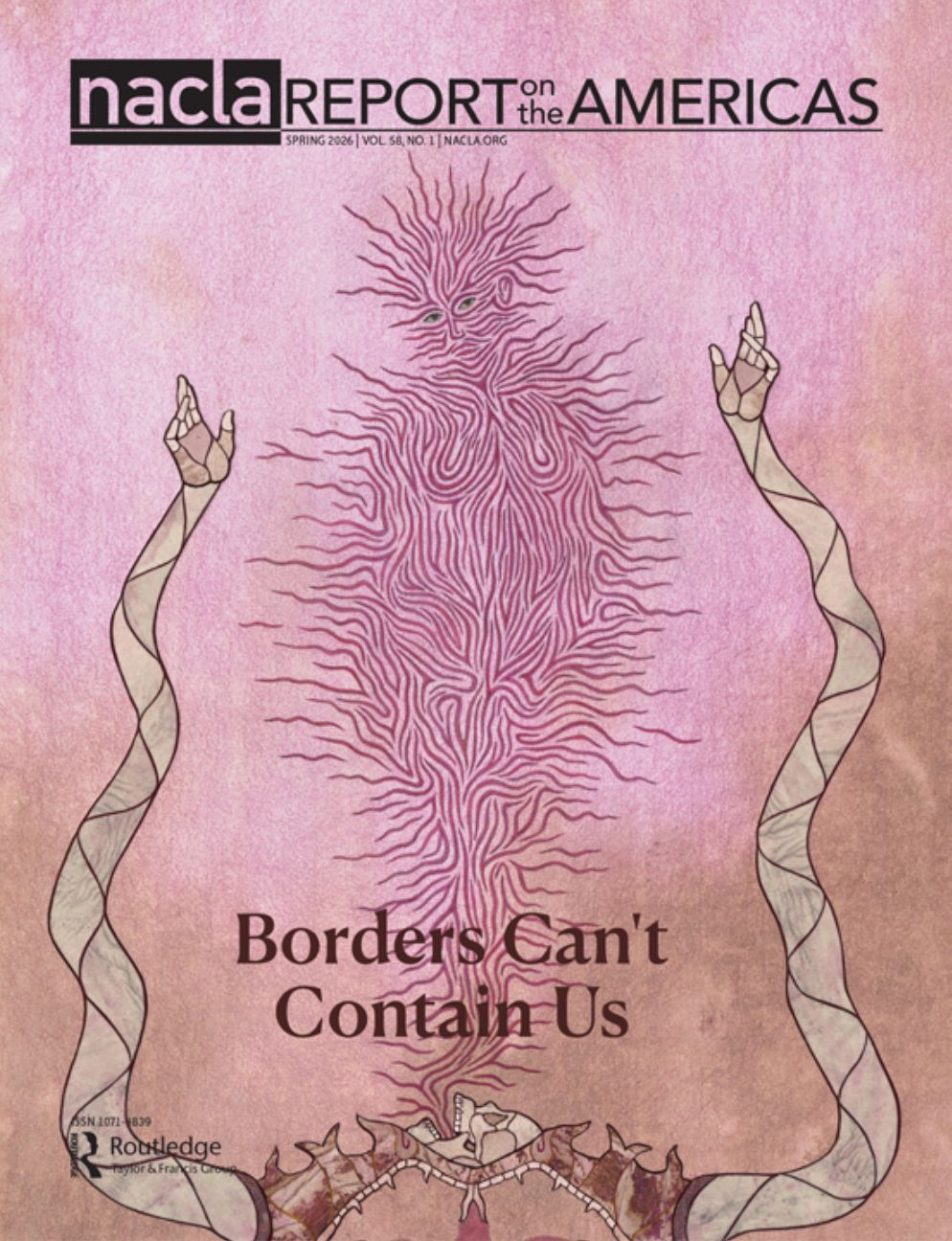
The latest issue of the NACLA Report, "Borders Can't Contain Us," examines the consolidation of a hemispheric bordering regime whose reach now extends far beyond any single boundary line, tracing how border violence has moved from the margins to the center of political life across the Americas.
Guest edited by Soledad Álvarez Velasco, Dawn Marie Paley, and P.S.D., this issue traces how border externalization structures governance across the hemisphere while documenting the forms of migrant resistance that continue to exceed it. “This dossier makes a clear political gesture,” write the guest editors in their introduction. “It insists on the political importance of both recording and archiving, by whatever means possible, the present moment of fascist bordering, while recovering the lessons of struggle forged across the region.”
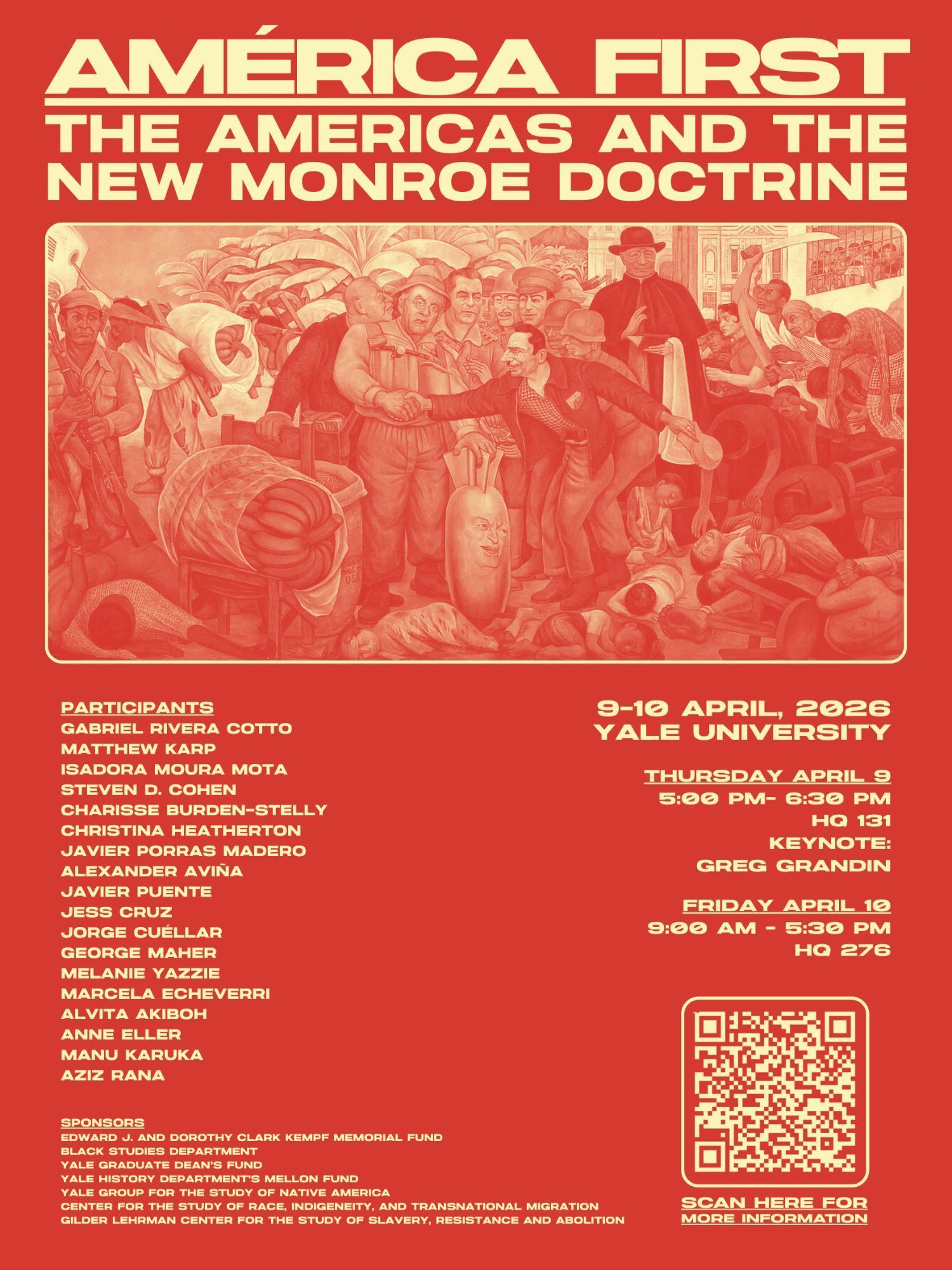
América First: The Americas and the New Monroe Doctrine
Our colleagues at Yale are organizing this upcoming conference, with a keynote by Greg Grandin and the participation of several NACLA editorial committee members. Stay tuned for a special NACLA web series linked to the conference!
"América First" explores the varied and formative roles the Americas--from Greenland to Patagonia--played, and continue to play, in the construction of US global power, from the 19th century to the present. Presentations will address the dependency between political, economic, racial, gender, and ethnic formations between North and Latin America, and how they are mediated through cross-regional migration of people, ideas, commodities. Our aim is to address the continuities and ruptures of the Monroe Doctrine across continental politics.
There is a live Zoom option for those who are unable to attend the Friday panels in person, please reach out to [email protected] to receive the link.
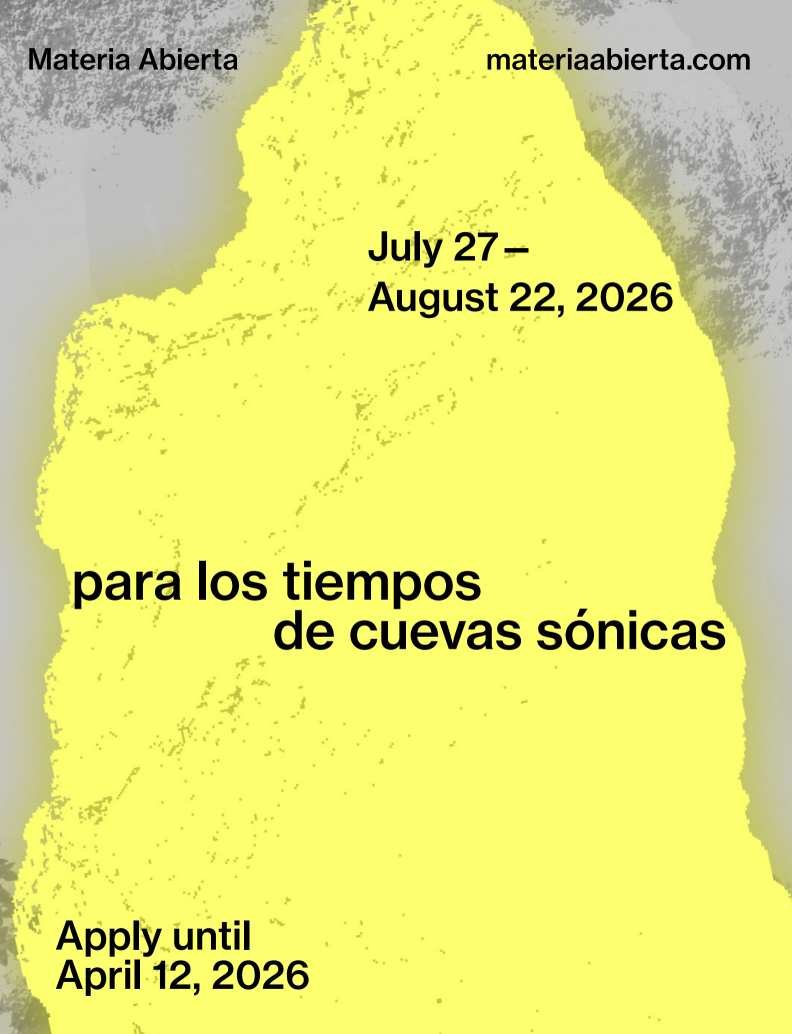
OPEN CALL FOR MATERIA ABIERTA 2026
Under the title para los tiempos de cuevas sónicasthis summer program in Mexico is focused on theory, art, and political ecologies. Curated by Yina Jiménez Suriel, the program will explore caves as temporal, geological, and revolutionary phenomena through their sonic materiality.
For four weeks, participants will delve into these resonant spaces of political insurgency and connection between mythological and spiritual worlds. The group of tutors includes Ariel Byía, Firas Shehadeh, Interspecifics, Kelman Duran, Leda Maria Martins, María Guadalupe Delgado + Juan Pablo Villegas, PATIO Lab, and Skye Arundhati Thomas.
The call for applications will be open until April 12. You can find more information on the website. Pleas share with your institutional, academic, and personal networks.
Since its founding in 1967, NACLA has worked to expose and oppose U.S. intervention in Latin America. In the face of lies and propaganda generated by the U.S. government, and a mainstream media often complicit in legitimizing U.S. actions, NACLA has sought to be a source of reliable information about the facts on the ground.
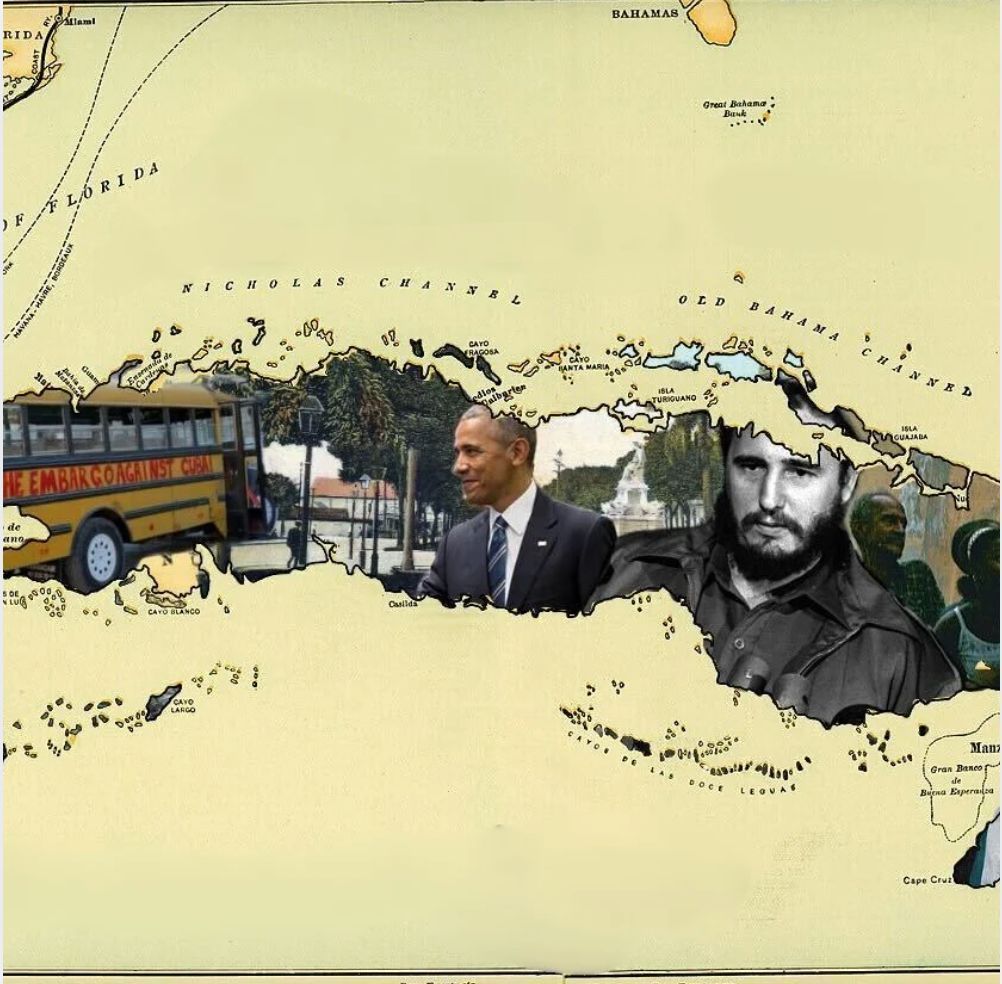
In this dossier of more than 30 articles, special print issues, and exclusive web series, NACLA's editors have curated a guide that touches on some of the most salient issues in recent Cuban history, including six decades of U.S.-led war, Cuba's role on the global stage, the Obama ‘thaw," the July 11 Protests, the role of the diaspora, and more.
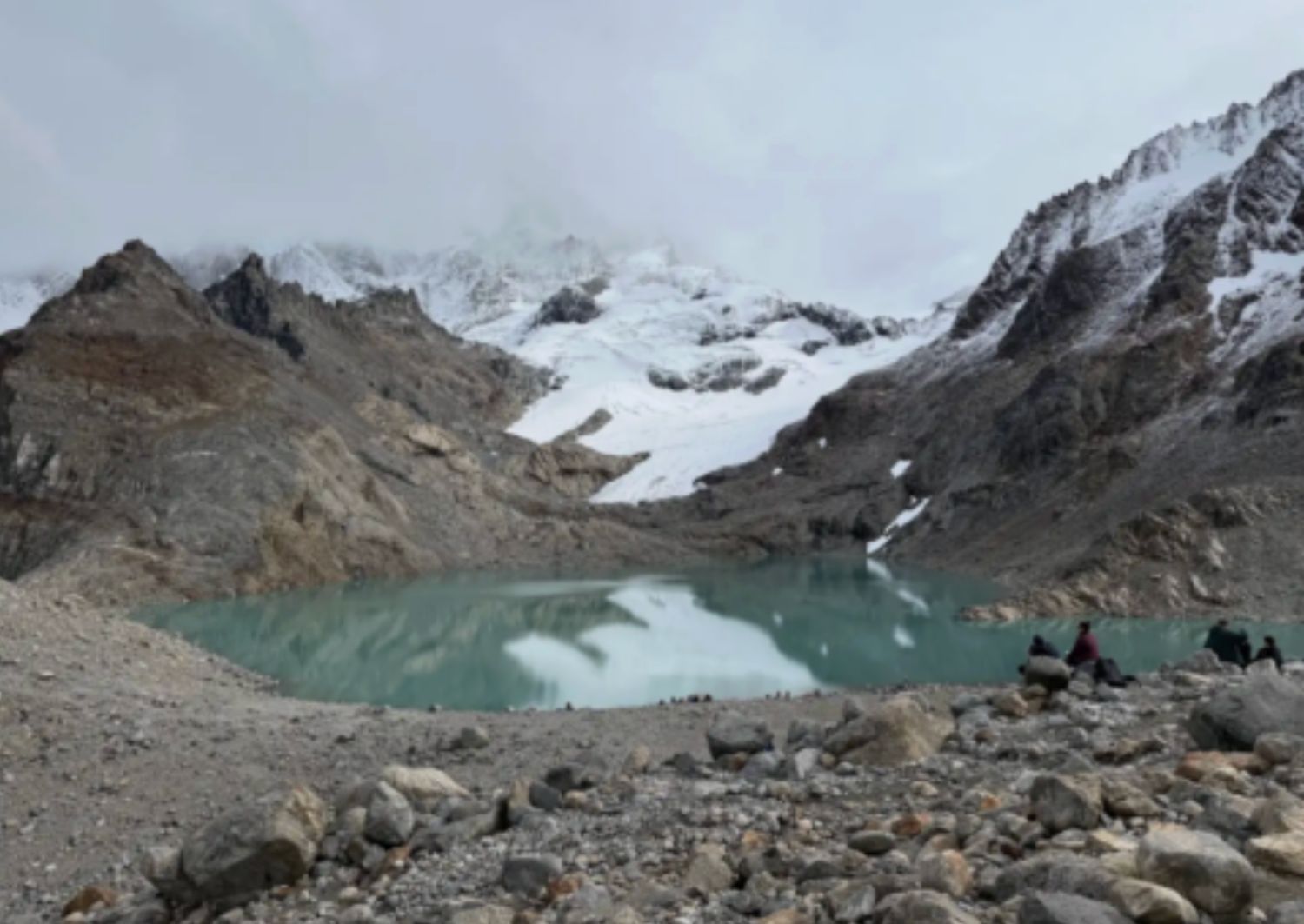
As the country’s far-right government attempts to undo groundbreaking legislation that has protected glaciers for fifteen years, activists are fighting back.
In January, Venezuelans in Chile briefly celebrated the fall of Nicolás Maduro, but many now fear a harsher climate for migrants as the country shifts to the right.
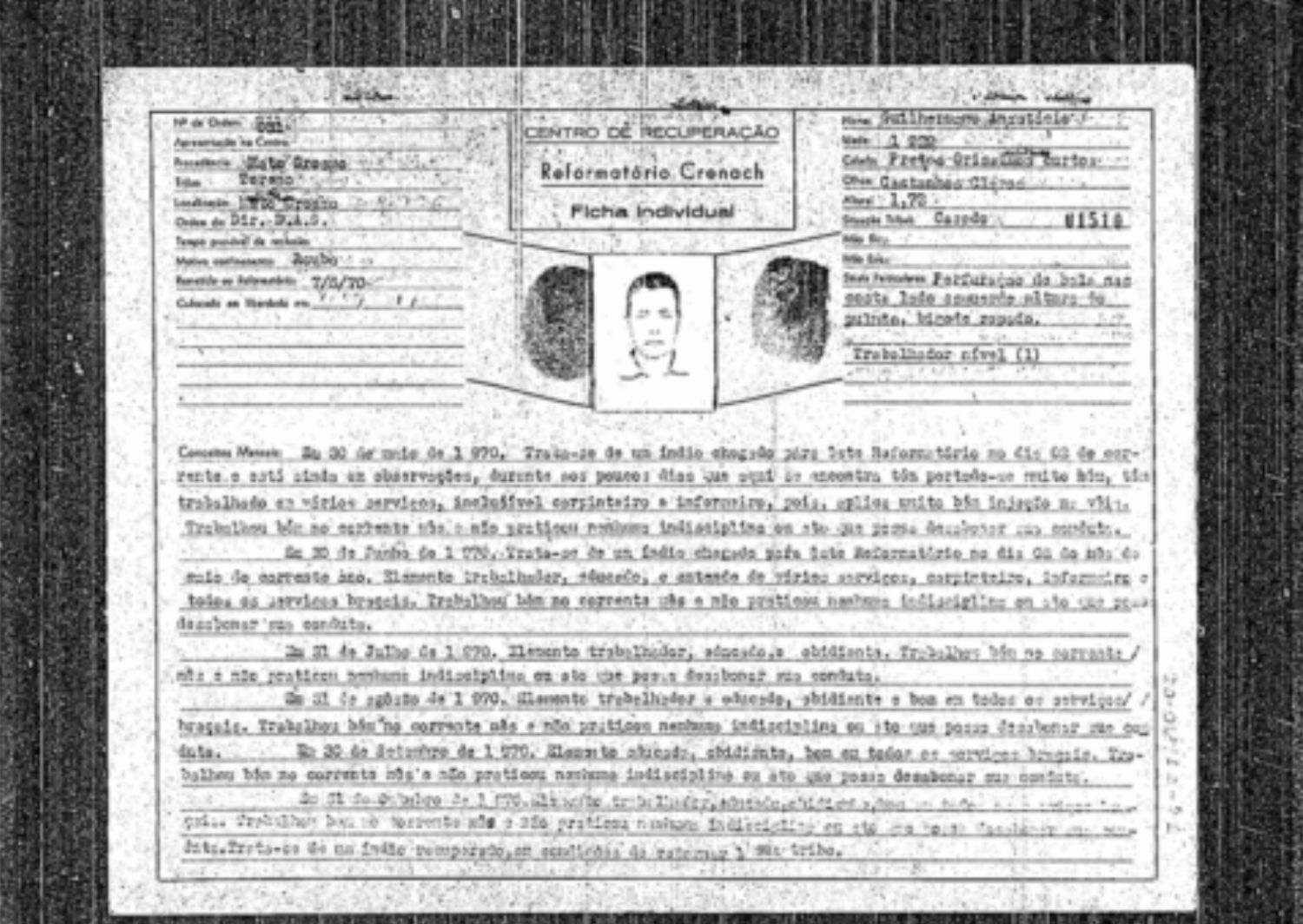
An Indigenous man in Brazil endured torture and forced labor for 19 months in a dictatorship “concentration camp.” Fifty-five years later, his son seeks justice.
Even as borders harden, life continues to exceed them. The Spring 2026 issue of the NACLA Report traces how border violence has moved from the margins to the center of political life across the Americas.
IMAGE OF THE WEEK
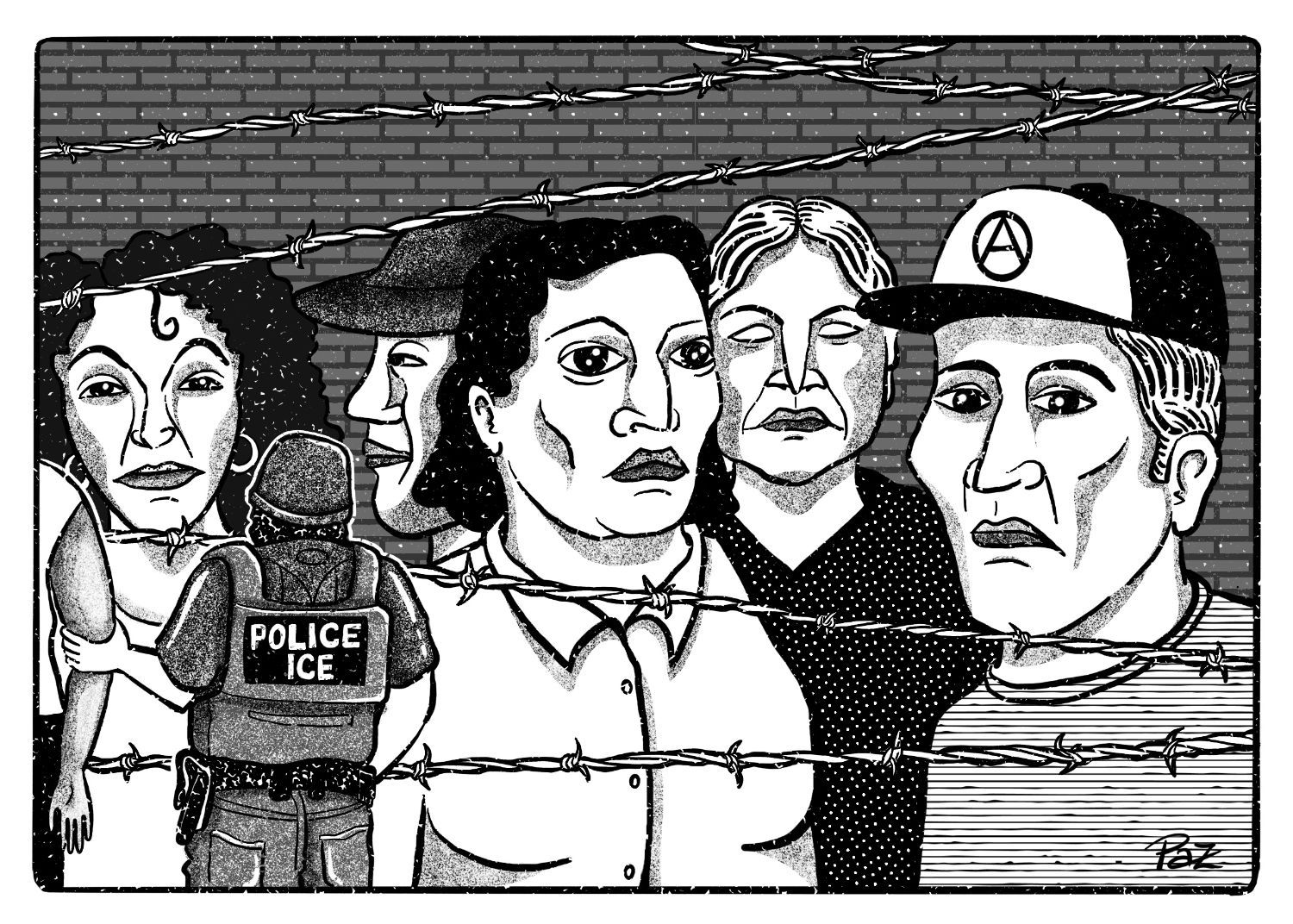
NACLA's Spring 2026 Issue is live! Read the full editors’ introduction and explore more from the issue. Stay tuned for more bilingual and Open Access content. This illustration accompanies "State Terror Seeks to Dismantle the Gains of Collective Struggle," an article by Dawn Paley. (Original illustration by Paz Ahumada Berríos, @pazconadie)