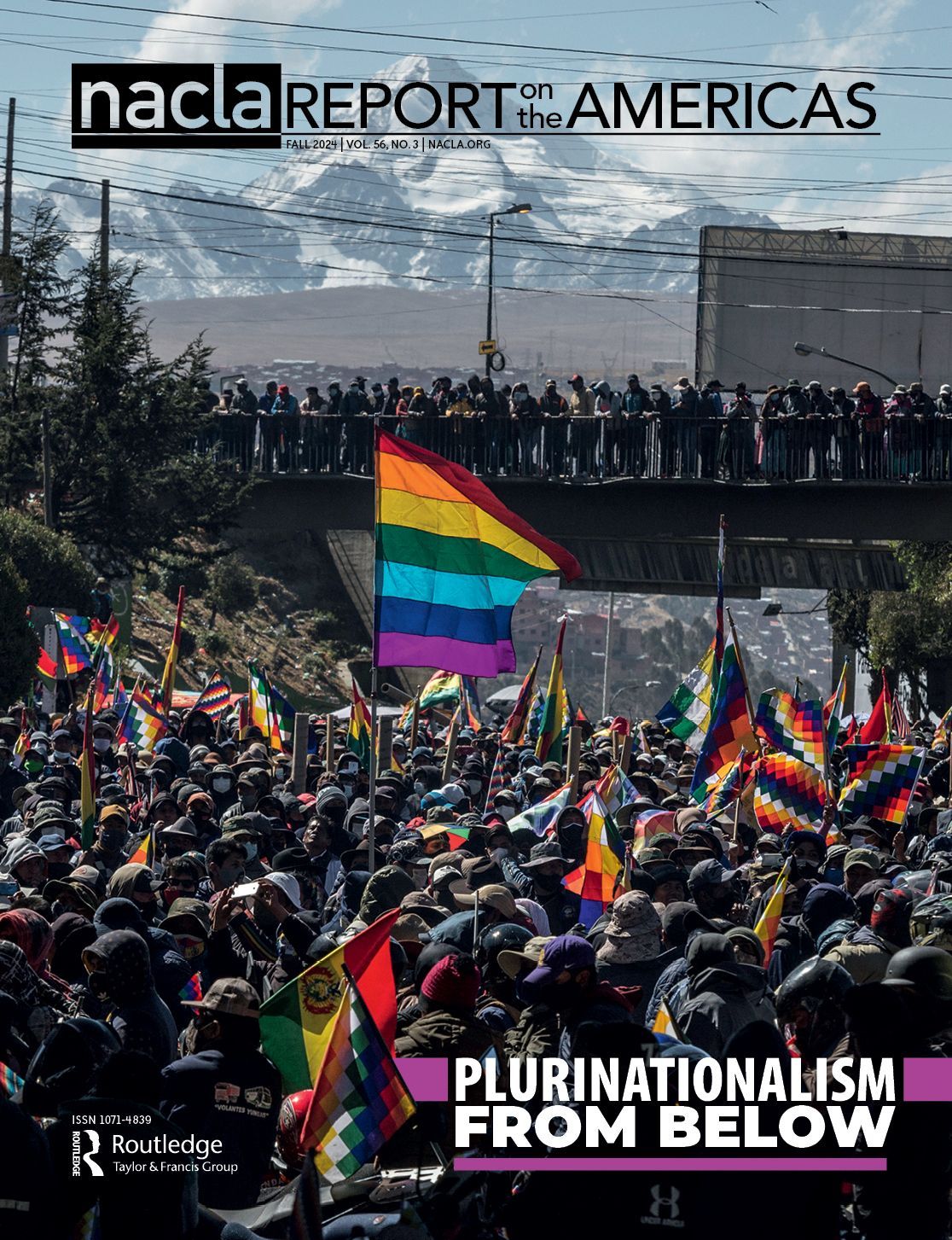
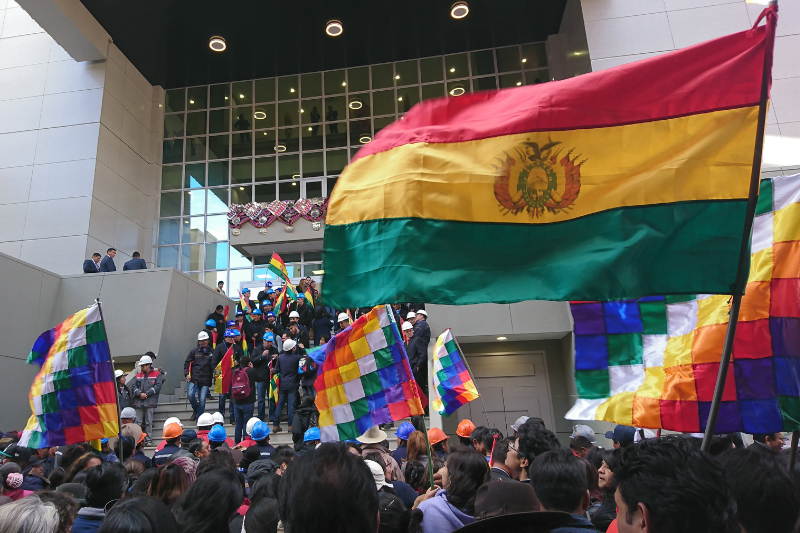
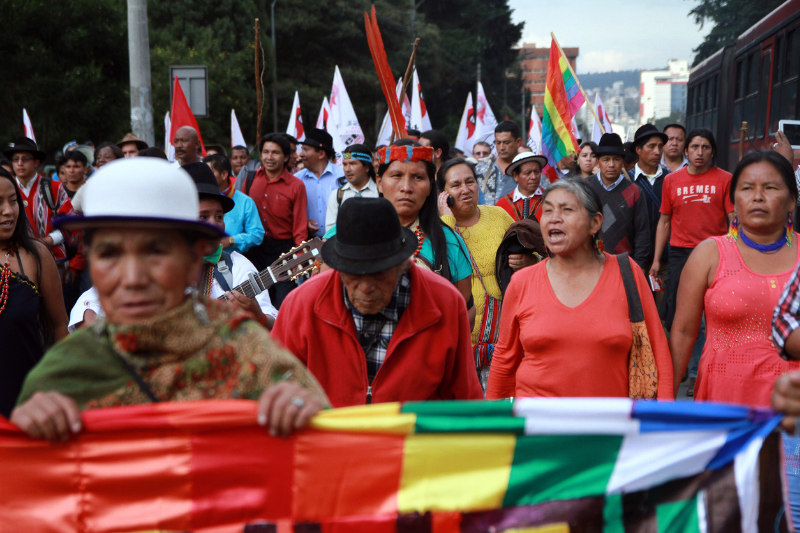
|  | | On February 7, 2009, thousands of Bolivians gathered for a ceremony enacting a historic new constitution. As fireworks crackled and wiphala flags flapped behind him, President Evo Morales signed the new charter into effect. “We proclaim the plurinational state, from the city of El Alto, from Bolivia to the world,” he declared. “Que viva a united Bolivia with autonomies! Jallalla sovereign Bolivia!” A sea of voices chanted back: “Que viva! Jallalla!” |
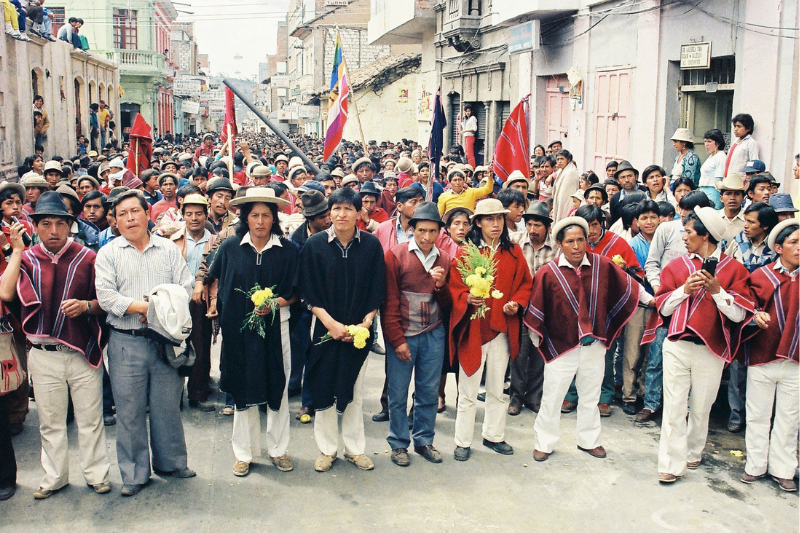
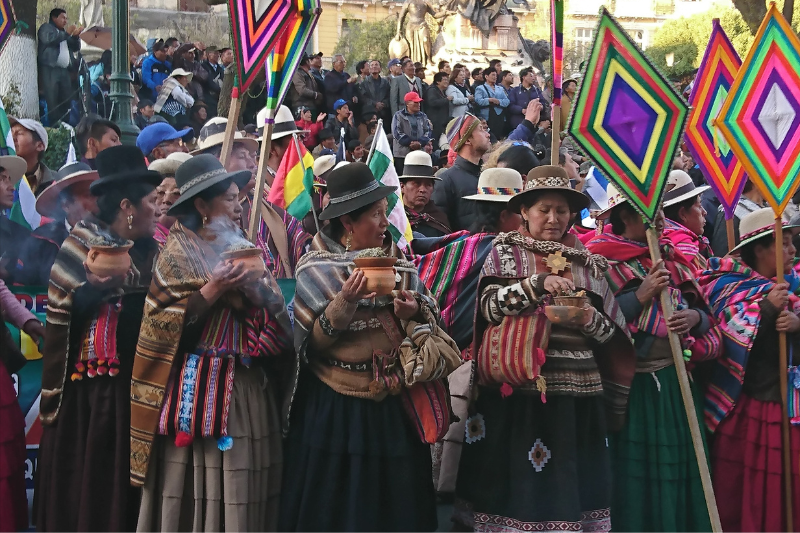
| For many observers, Bolivia’s new constitution, and a similarly unprecedented one launched in Ecuador one year prior, offered an introduction to the politics of plurinationalism. Yet debates and proposals reflecting the plural nature of Latin American societies had already been unfolding for years in grassroots spaces in the Andes and beyond, and those conversations remain alive today. A decade and a half after the heyday of the pink tide and the constituent processes in Ecuador and Bolivia, many have reflected on efforts to build plurinational states, particularly in these two countries. Although these landmark constitutions officially recognized the state as plurinational, marginalized Indigenous peoples are disputing the meaning of those words and challenging formal plurinational institutions. For many, the lofty promises of a top-down plurinationalism remain outstanding. This issue of the NACLA Report, guest edited by Romina Green Rioja, and Nayla Luz Vacarezza, and Roger Merino, explores how plurinational politics are organized and articulated at the margins of state power. Not only does the plurinational state remain an unfinished project; plurinational politics also continue to evolve toward new forms of engagement within and between the state and social movements. |
|
|
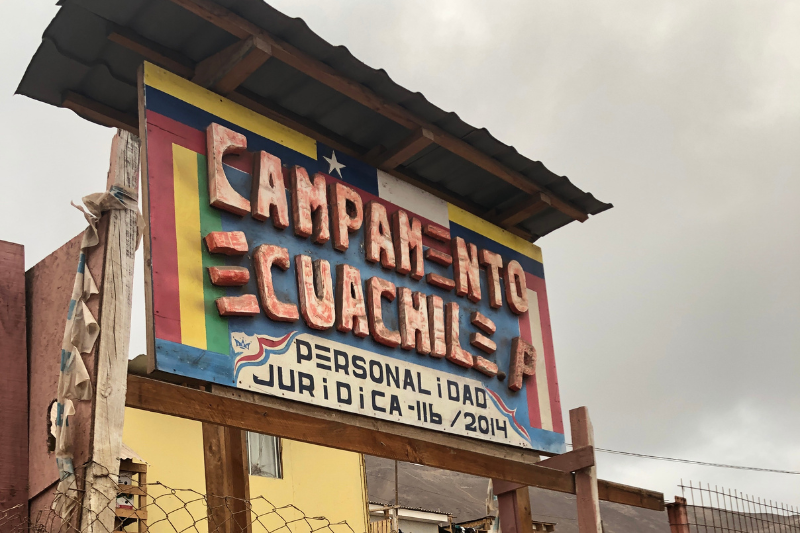
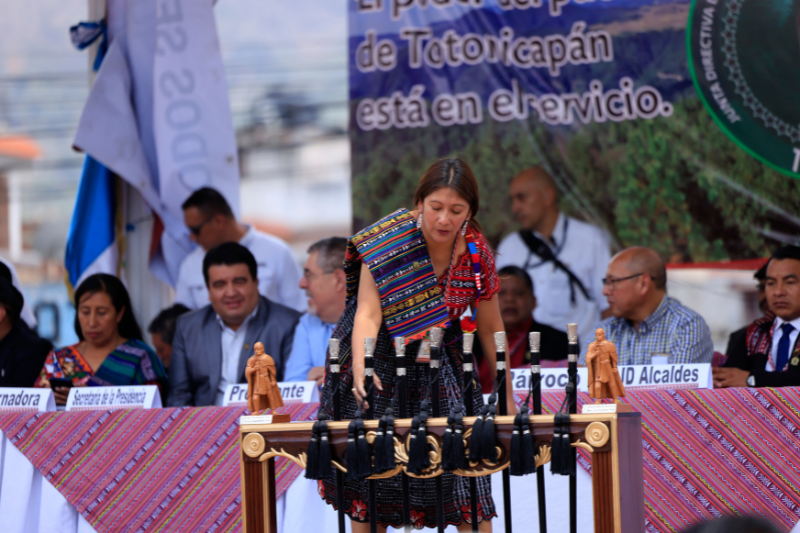
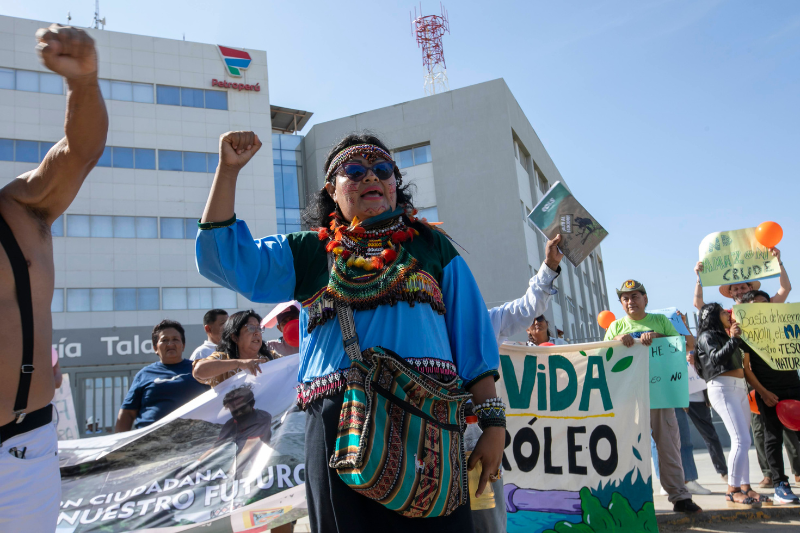
| The issue is strongly grounded in the Andes, where Bolivia and Ecuador offer the most prominent examples of efforts to build plurinational states. But authors also take readers to vibrant plurinational spaces that have garnered much less attention: the grassroots Indigenous movements of Guatemala, autonomous Indigenous governments in the Peruvian Amazon, pan-Latin American migrant settlements in northern Chile, and the region's cross-border feminist movements. As the far right surges, climate crisis worsens, and militarization, war, and extractive capitalism continue to wreak havoc on lands and communities, the need to not only resist the onslaught but actively create new paradigms is urgent. With a strong dose of reality about plurinationalism's challenges, limitations, and lessons learned, this issue offers visions for a new, more socially just way forward. Keep scrolling to explore key pieces from this issue—freely available only for a limited time. We also have several pieces available in Spanish. Looking ahead, our Winter 2024 issue of the NACLA Report will dig into the urgent theme of Palestine solidarity and Israeli ties in Latin America and the Caribbean. Then, we'll kick off 2025 with an exciting issue on travesti, trans, and queer politics across the hemisphere. These NACLA Reports are not to be missed! Not yet a subscriber? Subscribe now to receive the Winter 2024 and Spring 2025 issues in print! |
|
|
| | | | |
|
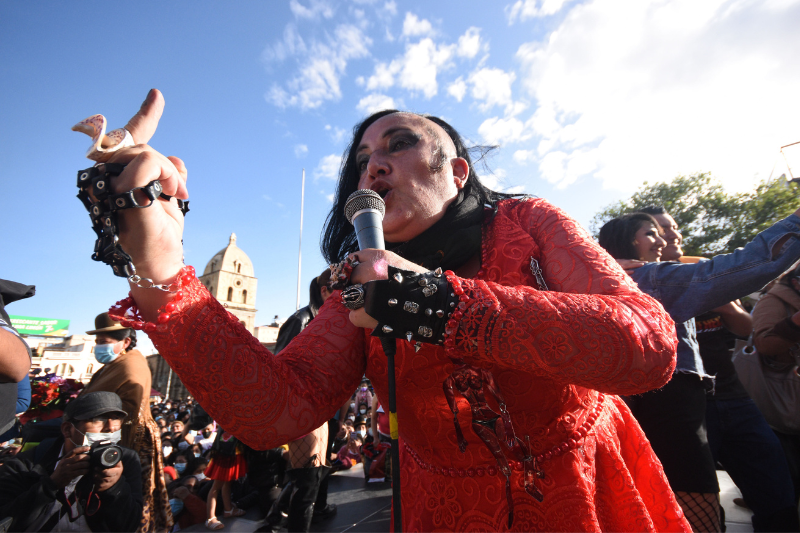
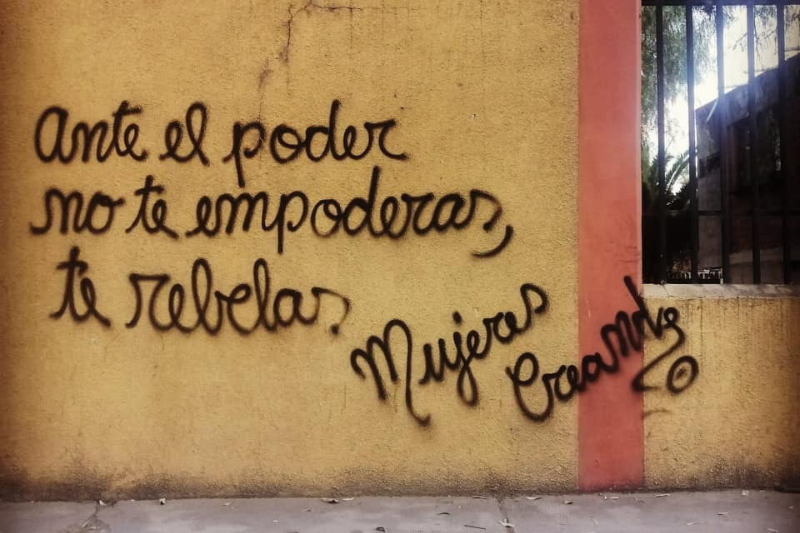
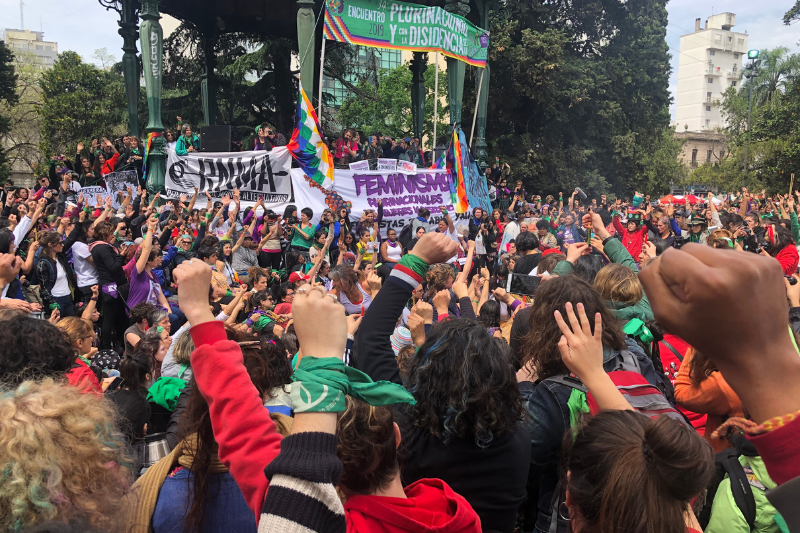
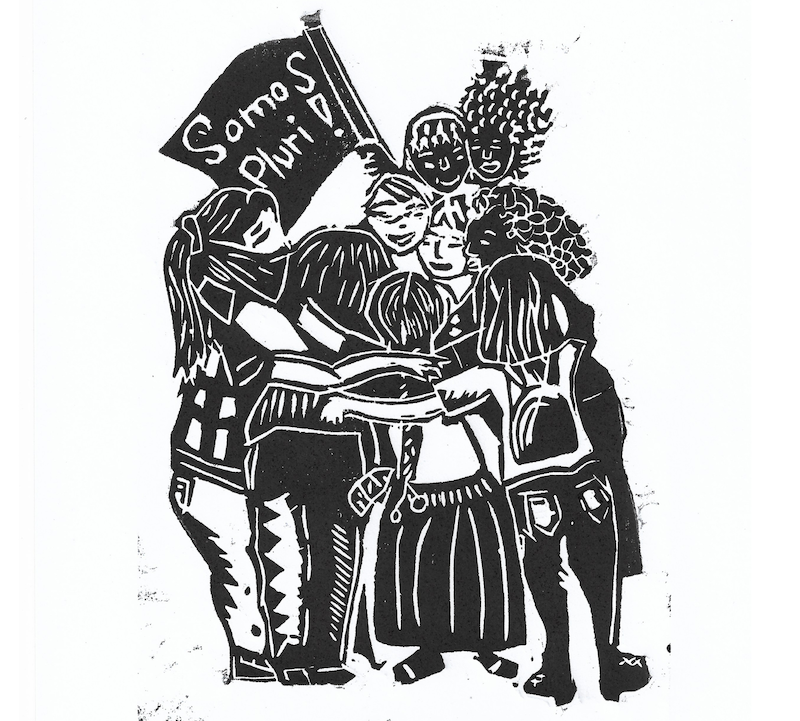
| | 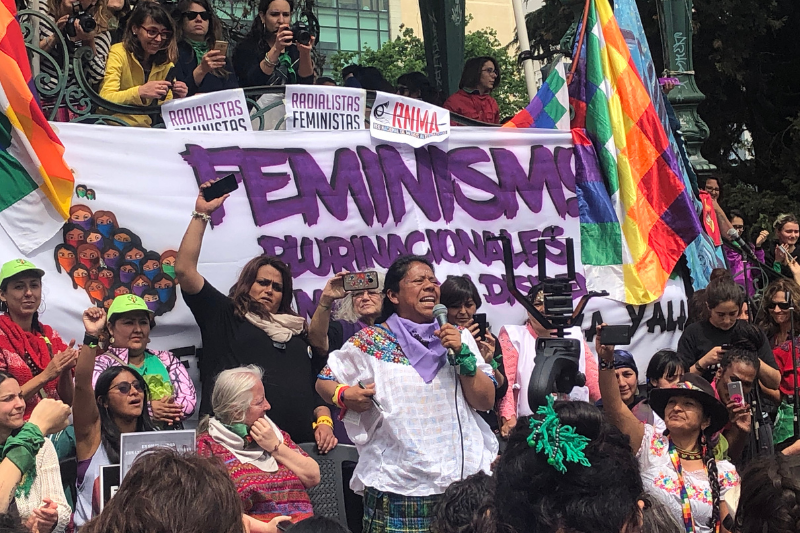 | Somos Pluri: Embracing the Diversity of Abya Yala's Feminist Movements Romina Green Rioja and Nayla Luz Vacarezza with Claudia Korol, Adriana Guzmán Arroyo, and Lolita Chávez Ixcaquic A continental feminist network enshrined its commitment to plurinationalism. What comes next in the collective struggle of women and trans, travesti, and nonbinary people across the hemisphere? |
|
|
| | | | North American Congress on Latin America 53 Washington Sq South, Fl. 4W | New York, New York 10012 (212) 992-6965 | [email protected] |
| |
|
| |
|
|