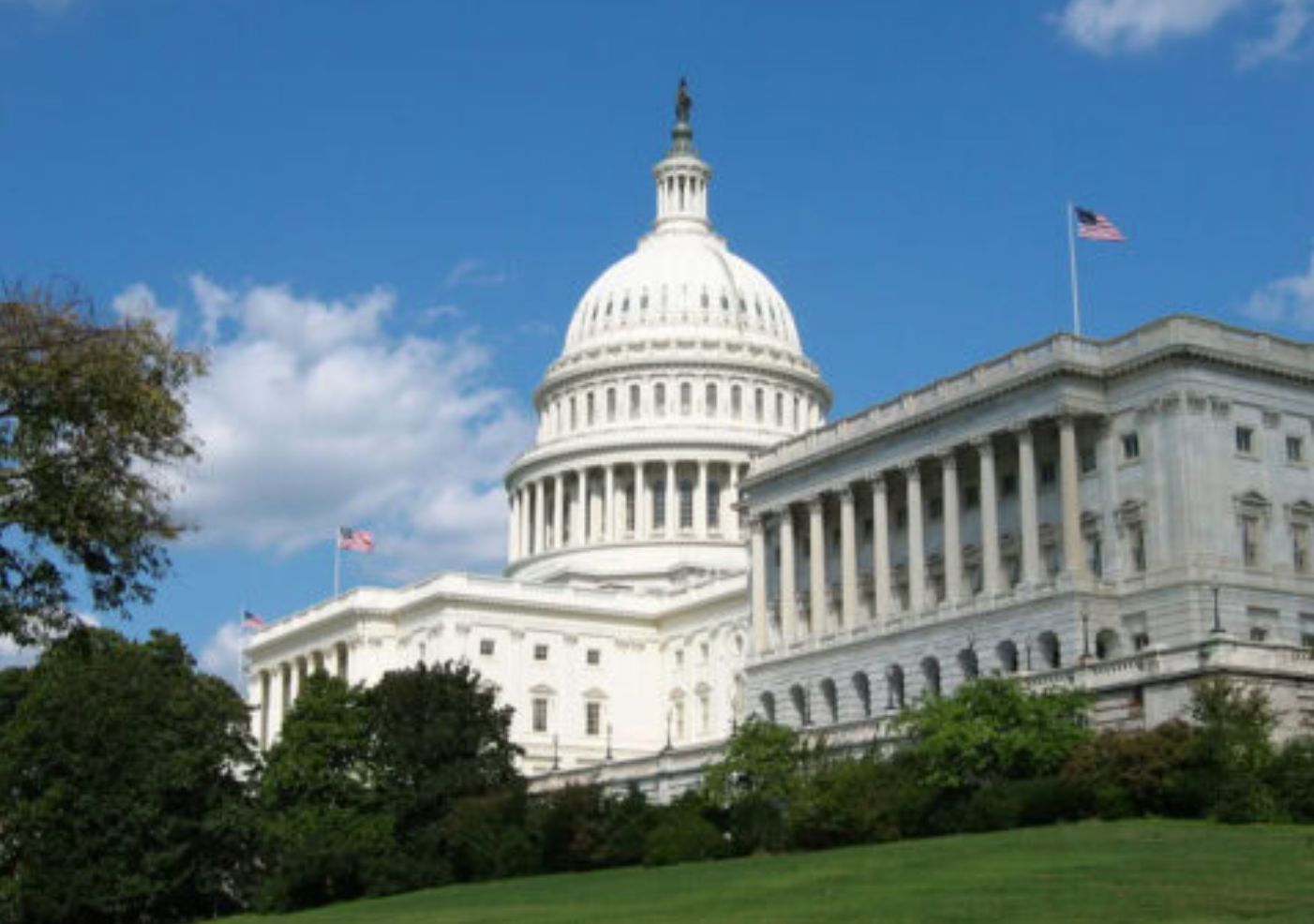
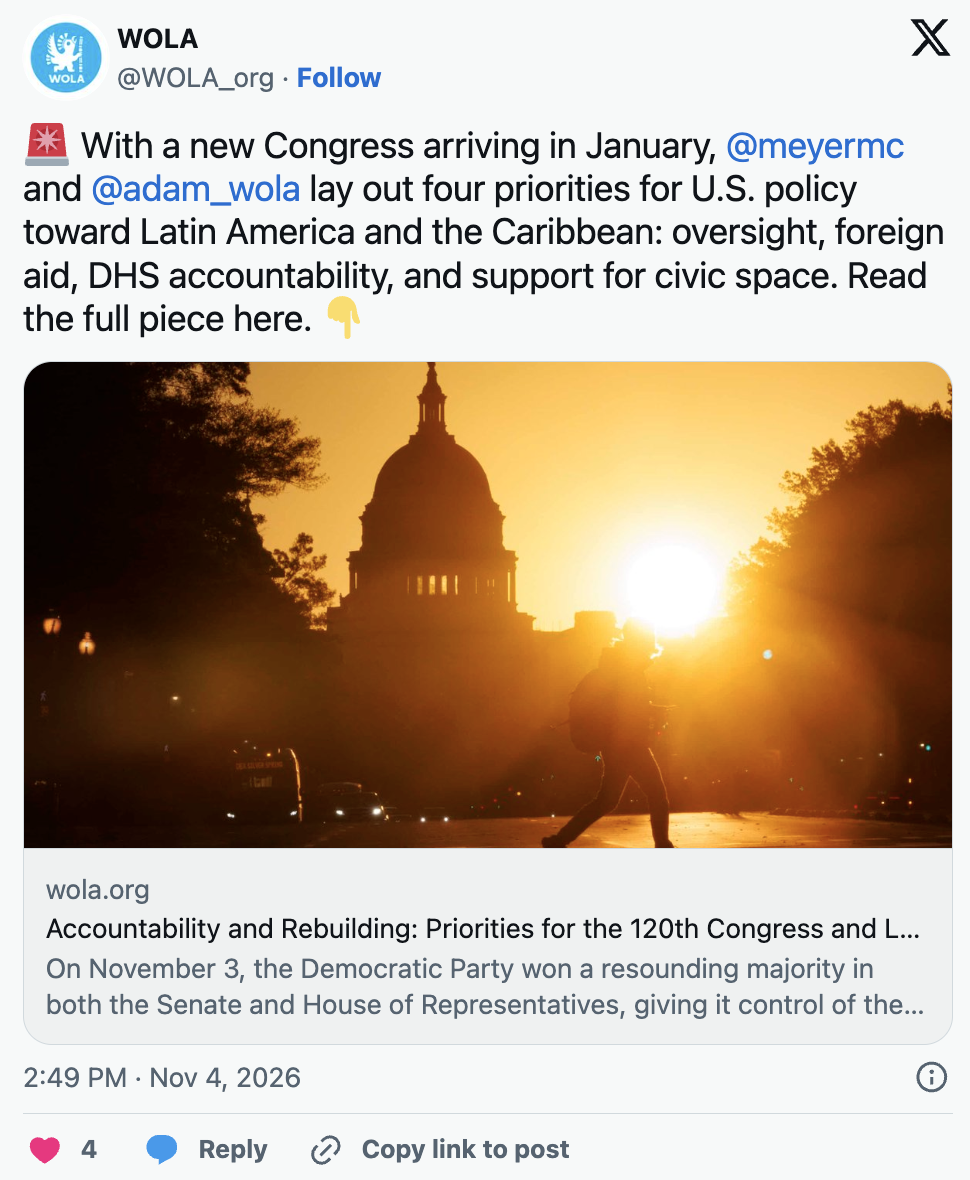
For the second week in a row, the far-right has suffered a resounding defeat in the Americas. Less than ten days after Luiz Inácio “Lula” da Silva held onto power in Brazil, U.S. voters delivered a stunning rebuke to Republicans in the midterm elections, handing control of the Senate, House, and a majority of governorships to the Democratic Party on Tuesday. While Democrats do not control the executive and the fight over the meaning of the victory between progressive and moderate factions has already begun, this week’s results have ushered in a new political reality in the United States.
The sheer breadth of races and the ideologically diverse nature of the Democratic coalition make it difficult to discern what animated voters, though disenchantment with rising prices and the Iran war were clearly top of mind for many. Latino voters were crucial to the Democratic victory, increasing their support for the party by 28 points compared to the 2024 presidential election. While furious at the rising cost of living, Latino voters were especially animated by the Trump administration’s immigration crackdown, turning out in record numbers to vote for Democratic candidates who promised to reform the country’s immigration system. Indeed, while the Democratic coalition included scores of candidates who sought to cast themselves as “tough” on immigration—including some who even released ads of themselves at the border—many Democratic candidates called outright for ICE’s abolition. While it remains to be seen what the party can do without executive control—and they have historically turned against migrant communities when politically convenient for them—many of the day’s most prominent candidates reaffirmed their commitment to abolishing ICE after their victory. However, the Trump administration was quick to stress that deportations will continue.
The Trump administration is also likely to intensify its imperial adventures in the region as presidents facing congressional opposition at home often turn to foreign policy. Analysts have raised the prospect of further intervention in Cuba as a real possibility, and on Thursday, the government announced a slate of new sanctions on the island. Democrats who will now control key foreign policy committees in the House and Senate will be in a good position to challenge the Trump administration’s overreach; indeed, some of these future committee leaders have recently called out U.S. meddling in Colombia’s presidential election, demanded transparency on the U.S.-Venezuela oil deal, or challenged Marco Rubio directly on U.S. military action in the region. Even still, before the midterms, Democratic leadership failed to challenge the Trump administration’s illegal attacks in the region and often repeated its talking points. After the U.S. kidnapping of Venezuelan President Nicolás Maduro, future Speaker of the House Hakeem Jeffries and Senate Leader Chuck Schumer denounced him as an illegitimate leader before then raising procedural objections to the operation.
The region’s dwindling number of progressive leaders reacted to the election results positively, though they were careful not to antagonize Trump. Mexican President Claudia Sheinbaum celebrated the Mexican heritage of Xavier Becerra and Gina Hinojosa, the governor-elects of California and Texas who each became their state’s first Latino and Latina governors. Lula linked the U.S. results to his own recent victory, sayingBrazilians had “inspired the whole planet” and that in the same week that he won, “Netanyahu lost in Israel and my friend Trump seems to be losing in the United States.”
With just four days left in our emergency fundraising campaign, NACLA still needs to raise $11,500 to reach our $25,000 goal.
NACLA has persisted for nearly six decades because of its community—while we have fallen on hard times before, scrappiness and solidarity have always helped see us through. Over the past three weeks, our readers have come together to sustain NACLA, many for the first time. To everyone who has responded to the call, we are grateful.
Every contribution has brought us closer to ensuring NACLA can continue to provide critical Left perspectives on Latin America and the Caribbean through its 60th anniversary year.
But we’re not there yet.
If you’ve ever read a NACLA article, shared one of our stories, attended one of our events, or relied on our analysis, please consider giving back today.
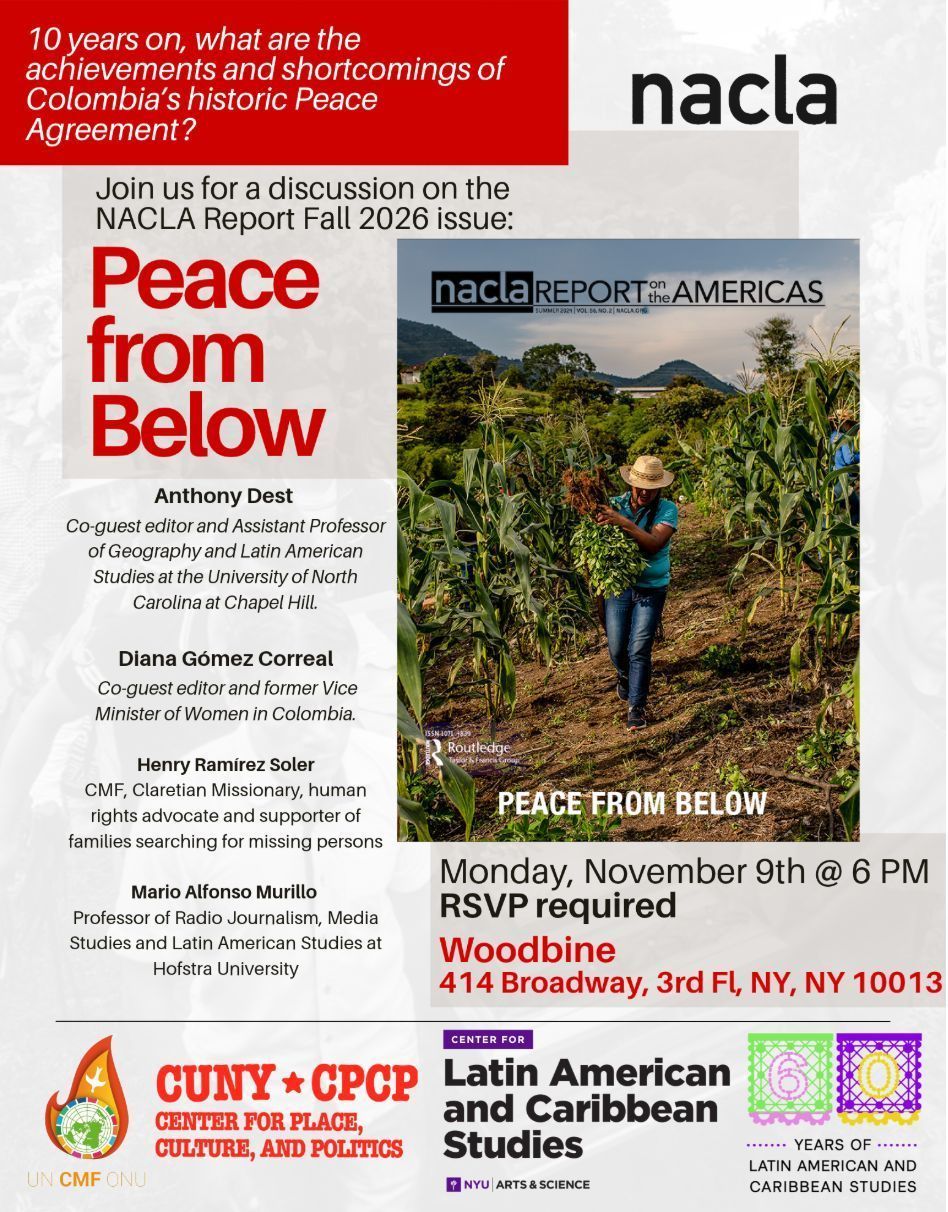
November 24, 2026, marks 10 years since the Colombian government and the Revolutionary Armed Forces of Colombia–People’s Army (FARC-EP) signed a historic agreement intended to end more than half a century of armed conflict. A decade later, the promise of peace remains unfulfilled.
This issue of the NACLA Report, “Peace from Below,” reflects on the promises, achievements, and shortcomings of the Peace Agreement by foregrounding the people and communities most affected by the armed conflict. Bringing together voices from across Colombia—including Peace Agreement signatories, victims’ organizations, campesinxs, Indigenous and Afro-descendant communities, and women’s and LGBTIQ+ organizations—the issue examines how communities continue to organize amid enduring violence and uncertainty.
Join us for a discussion with guest editors Anthony Dest and Diana Gómez Correal, where we will reflect on a decade since the Peace Agreement and the communities that have helped shape the country’s post-agreement landscape.
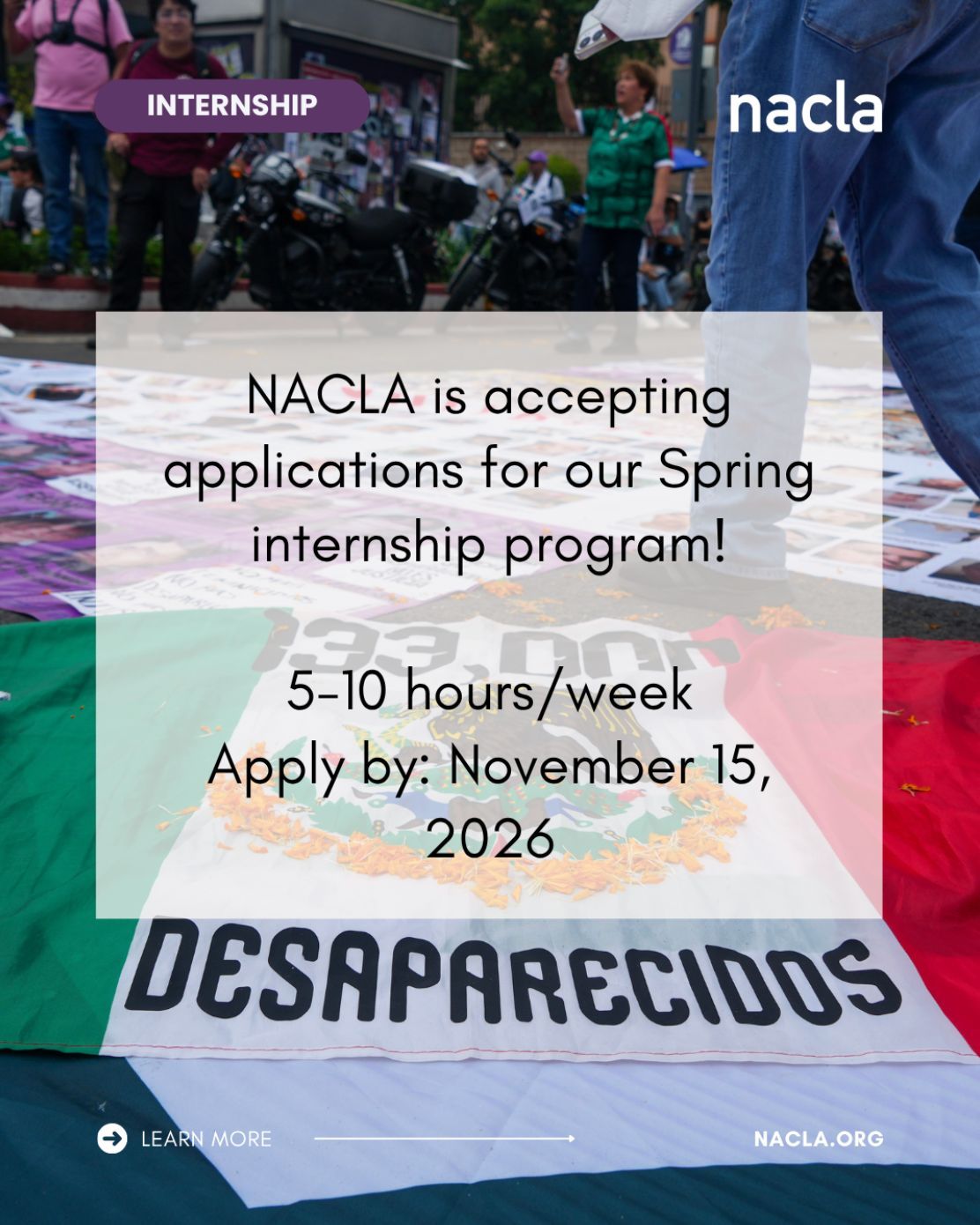
Are you an undergrad interested in and knowledgeable about Latin America, social justice movements, politics, and history?
NACLA offers a 5-10 hour/week internship opportunity for students who will receive course credit and/or funding from their educational institution for the internship as part of their studies. This opportunity is ideal for undergraduate students with an interest in alternative media, non-profit operation, and left politics and history in Latin America and the Caribbean. Candidates seeking in-person (based in NYC), hybrid, or remote work will be considered. Internship positions are unpaid. NACLA encourages interns to seek applicable funding from their institutions of study to support their work placement.
Apply for NACLA's spring internship by November 15!
NACLA has survived decades through grants, subscriptions, and generous donations from Naclistas like you. We need your help today!
IMAGE OF THE WEEK
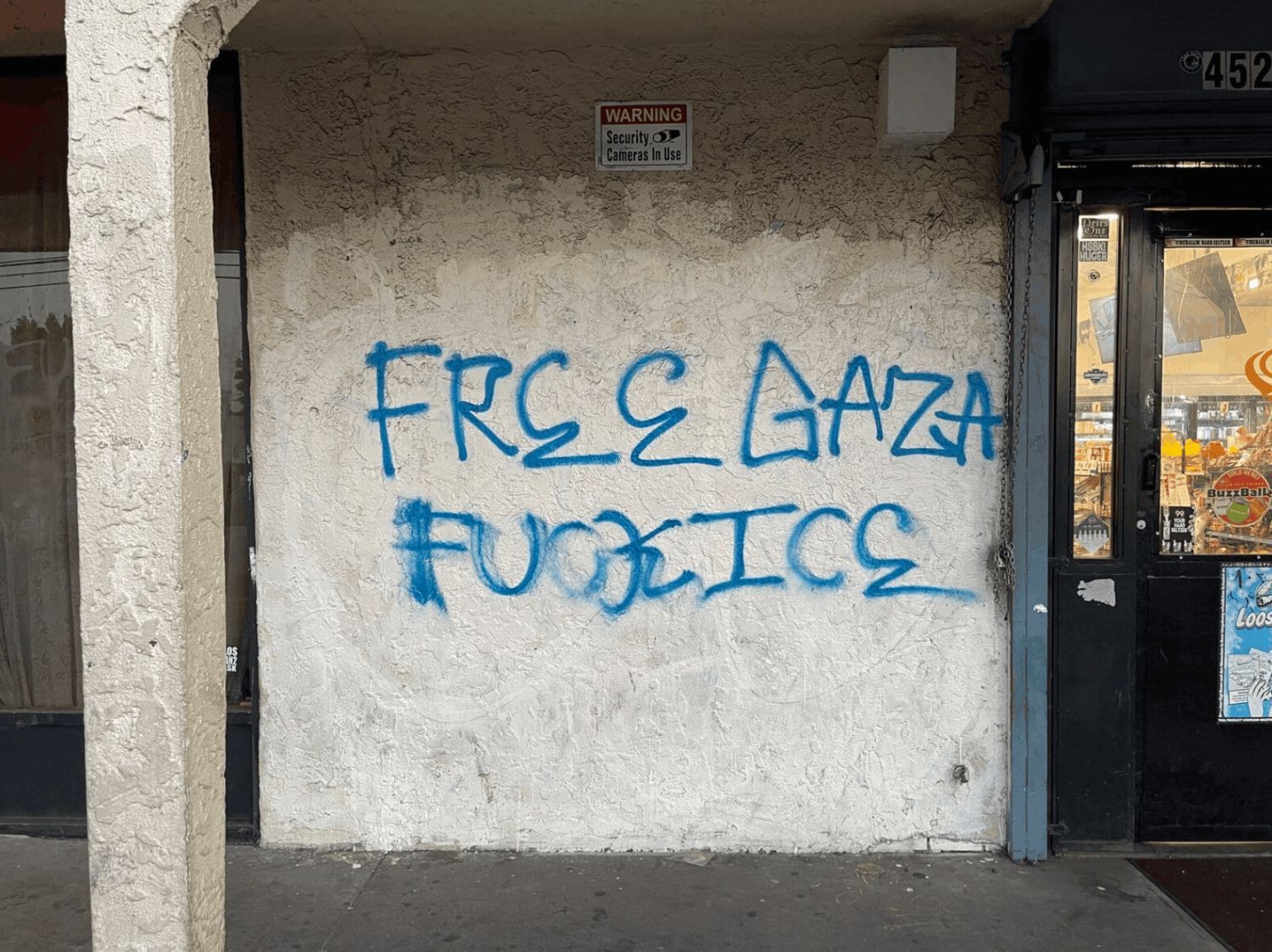
“Free Gaza, Fuck ICE.” Graffiti found in Paramount, California, after ice raids prompted widespread protests in the Paramount and Compton neighborhoods of Greater Los Angeles, June 7, 2025. From Alex Aviña's past article, "Notes from the Palestine-Mexico Border." Backlash to ICE raids was a central component of the Democratic victory on Tuesday. (Abraham Marquez)
AROUND THE REGION
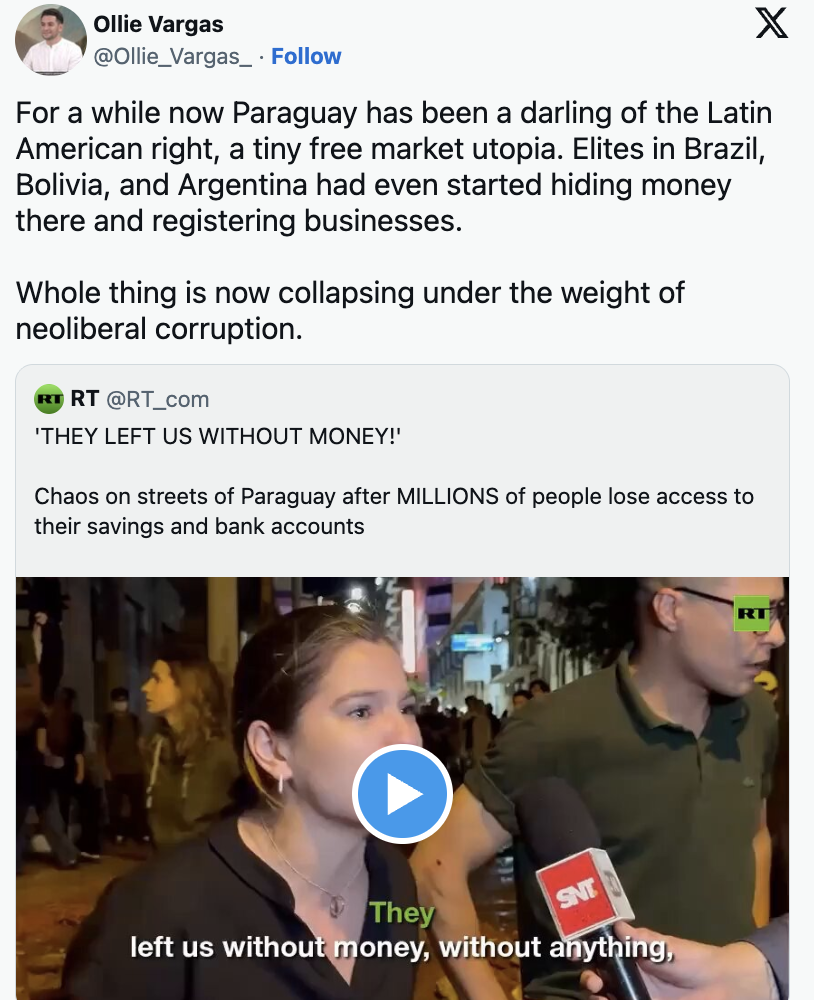
PARAGUAY’S CRISIS—Santiago Peña, Paraguay’s far-right president, resigned on Thursday after the collapse of Ueno Bank earlier this week left millions unable to access their accounts. Until last year, Peña had financial stakes in the bank’s largest shareholder. Peña also had ties to the bank’s leaders, including Carlos Carvallo, whom Peña appointed to lead the Central Bank, though he too resigned earlier this week. The country’s Attorney General announced it is investigating Peña for his role in the scandal. Additionally, both houses of Congress rejected his resignation and moved to formally impeach him, with opposition leaders claiming that allowing him to resign would grant him legal protections and preserve his eligibility to become a senator for life. The lower chamber approved a motion to impeach him by a vote of 78-0 almost immediately after his resignation. The ball is now in the Senate’s court and the process has already begun after the Senate rejected Peña’s request for an extension. While he has said he would cooperate with the investigation, rumors have begun to circulate that Peña—a close ally of the Trump administration who visited Washington weeks ago— plans to flee to the United States. The bank, which has about 3 million customers—nearly 60 percent of the country’s adult population—is now in the hands of the Paraguayan Central Bank, though millions remain frozen out of their accounts and protests are mounting.
U.S. STRIKE IN VENEZUELA?—Days after a deadly drone strike on a Venezuelan camp allegedly belonging to the ELN—Colombia’s largest active rebel group—information emerged that U.S. drones and intelligence had played a crucial role, but the extent of their involvement in the operation remains unclear. On Tuesday, the New York Times reported that the U.S. “assisted” the Venezuelan military in the attack in the border state of Apure, which killed at least 23 people. While the article quoted a U.S. official who said that the drone was likely piloted by U.S. forces, it characterized the attack as a “joint operation” and cast it as the second since June, when the Tren de Aragua leader was killed. Nevertheless, Juan Francisco García, a representative from local NGO Fundaredes, which initially reported the attack, argued the strike was led by U.S. forces alone. According to García, the Venezuelan military arrived on site the following day to secure the area and investigate what Interior Minister Diosdado Cabello called the “strange deaths.” The strike comes as the Trump administration pushes the Venezuelan government to sign a status of forces agreement to enable U.S. forces to stay in the country more permanently.
FUJIMORI’S FIRST 100 DAYS—Peru’s right-wing President Keiko Fujimori reached 100 days in power on Wednesday. Since assuming the presidency, her popularity has plummeted amid congressional gridlock and concerns over crime and the economy. Soon after taking power, Fujimori asked Congress to temporarily grant her emergency powers to rule on a series of issues, but lawmakers spent weeks debating her request and granted her much narrower executive functions on security and the climate phenomenon known as the “Super El Niño,” which is already beginning to batter the country. Fujimori also traveled to El Salvador to meet with Nayib Bukele, toured the country’s infamous CECOT prison, and signed a series of security agreements; upon returning home, Fujimori announced a massive reform of Peru’s overcrowded prison system. On Tuesday, after months of anger at its slow response, the government declared a 60-day state of emergency across much of the country in response to mounting concerns over extreme weather linked to El Niño. The government had previously argued that it could not address the issue unless it was granted broad powers, though it was clear that the environmental crisis was being instrumentalized to bolster other executive functions.
COLOMBIA’S NEW SUBMISSION LAW—Far-right President Abelardo de la Espriella formally approved the “Law of Submission to Justice” on Wednesday, a legislative package that drastically departs from the security strategy of his predecessor, Gustavo Petro. The bill, which was passed by large majorities in both chambers, rejects political negotiations with groups considered criminal organizations, a key tenet of Petro’s “Total Peace.” Soon after he assumed power, de la Espriella ended all ongoing negotiations with armed and criminal groups across the country. The new law significantly raises the bar for members of armed and criminal groups to benefit from engaging with the state; while Petro and other previous Colombian governments had suspended the arrest warrants of armed actors that they deemed to be negotiating in good faith, the new legislation does away with that practice and instead offers reduced sentences to members of armed groups who lay down their weapons, identify other members, and contribute to the search for missing people. The country’s ongoing violence and the failure of “Total Peace” to achieve its aims were key to the electoral rise of de la Espriella, who promised to crack down on crime. In his first 90 days, de la Espriella has escalated the military’s bombing campaigns, militarized cities, and published flashy videos of himself carrying a weapon and joining urban raids. While the security crisis is real, the rampant human rights violations of the country’s past crackdowns have produced backlash against the government’s macabre spectacles.