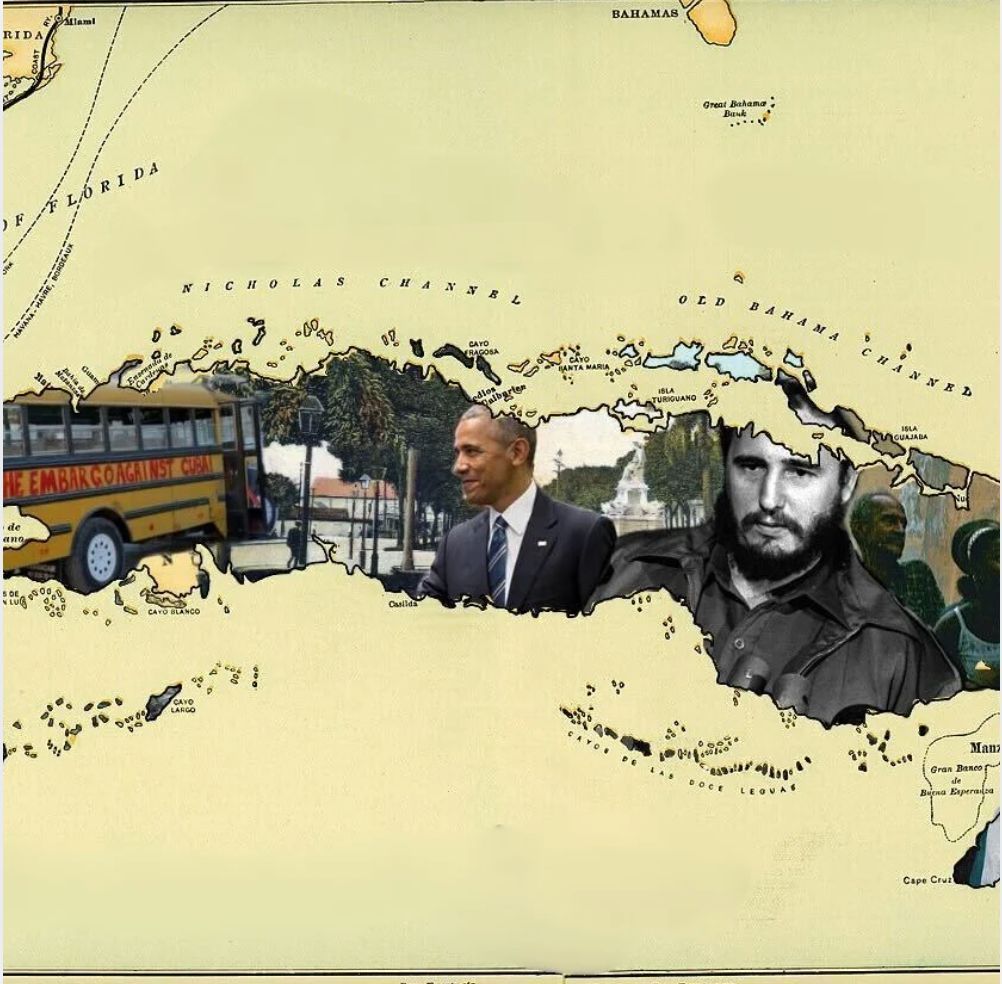
On Monday another crushing blackout plunged Cuba’s roughly ten million people into darkness. The same day, President Trump told reporters that he believed he would soon have “the honor of taking Cuba,” an ominous declaration that came as the Cuban government continued to announce economic reforms meant to please the Trump administration. There was a bit of good news on the horizon, however: activists with the Nuestra América Convoy have begun to arrive in the island, bringing crucial provisions, solar panels, and solidarity.
Monday’s widespread blackout came less than two weeks after large swaths of the island were left without power for days. Though the power grid was slowly brought back online by Tuesday, the situation is untenable—and likely to get worse as the oil embargo continues. Indeed, though Cuba’s economic crisis is complex, its energy crisis largely stems from crippling U.S. sanctions that have long prevented the government from replacing its aging infrastructure. As a result of the Trump administration’s oil blockade, no oil has been imported to the island since January 9, a catastrophic situation given that more than 80 percent of the country’s electricity depends on it. Though Cubans are resilient, the energy crisis has brought much of society to a standstill: trash is piling up on the streets, public transportation has been reduced, classes have been cancelled or moved online, access to food and clean water has grown more difficult, and medical procedures have been cancelled for tens of thousands.
Pressured by the Trump administration to “make a deal,” the Cuban government has responded by negotiating with the U.S. and announcing a slate of key reforms to gradually open up the state economy to foreign investment. Weeks after instituting changes to allow for the creation of public-private partnerships, the government announced Monday that Cubans living in the United States would soon be able to invest in the island’s infrastructure, use its banks, and invest in or own companies. The following day, U.S. Secretary of State Marco Rubio said that the reforms were “not dramatic enough,” emphasized that “the embargo is tied to political change,” and made clear that the government needs “new people in charge.” The call for a change in political leadership echoed recent reporting that the Trump administration has made President Miguel Diaz-Canel’s removal from power a key precondition for meaningful negotiations.
However, Trump’s recent comments on “taking Cuba,” is a reminder that that negotiation itself could be a ruse to disguise more aggressive action—as was the case with Iran. But the United States has not been the only nation to punish Cuba. Indeed, the Trump administration’s allies have contributed to further isolating the island by targeting its diplomats and embassies, as is the case with Costa Rica and Ecuador, and expelling its medical missions—a move made by Jamaica, Guyana, Honduras, Guatemala, Paraguay, and others.
Though some countries, like Mexico, have stepped up their shipment of humanitarian aid to the island, the region’s collective failure to defend Cuba from the Trump administration’s attacks have led activists from around the world to take matters into their own hands. Chief amongst these efforts is the Nuestra América Convoy, an international coalition of organizers, healthcare workers, veterans, artists, journalists, student union members, and community activists. The arrival of members of the convoy, modeled in part after the Global Sumud Flotilla that sought to break the Israeli siege on Gaza, was celebrated by President Diaz-Canel, who thanked those involved for their solidarity. The entire convoy, which will be joined—and covered extensively— by NACLA, is set to arrive in Cuba by Saturday.
Since its founding in 1967, NACLA has worked to expose and oppose U.S. intervention in Latin America. In the face of lies and propaganda generated by the U.S. government, and a mainstream media often complicit in legitimizing U.S. actions, NACLA has sought to be a source of reliable information about the facts on the ground.
In this dossier of more than 30 articles, special print issues, and exclusive web series, NACLA's editors have curated a guide that touches on some of the most salient issues in recent Cuban history, including six decades of U.S.-led war, Cuba's role on the global stage, the Obama ‘thaw," the July 11 Protests, the role of the diaspora, and more.
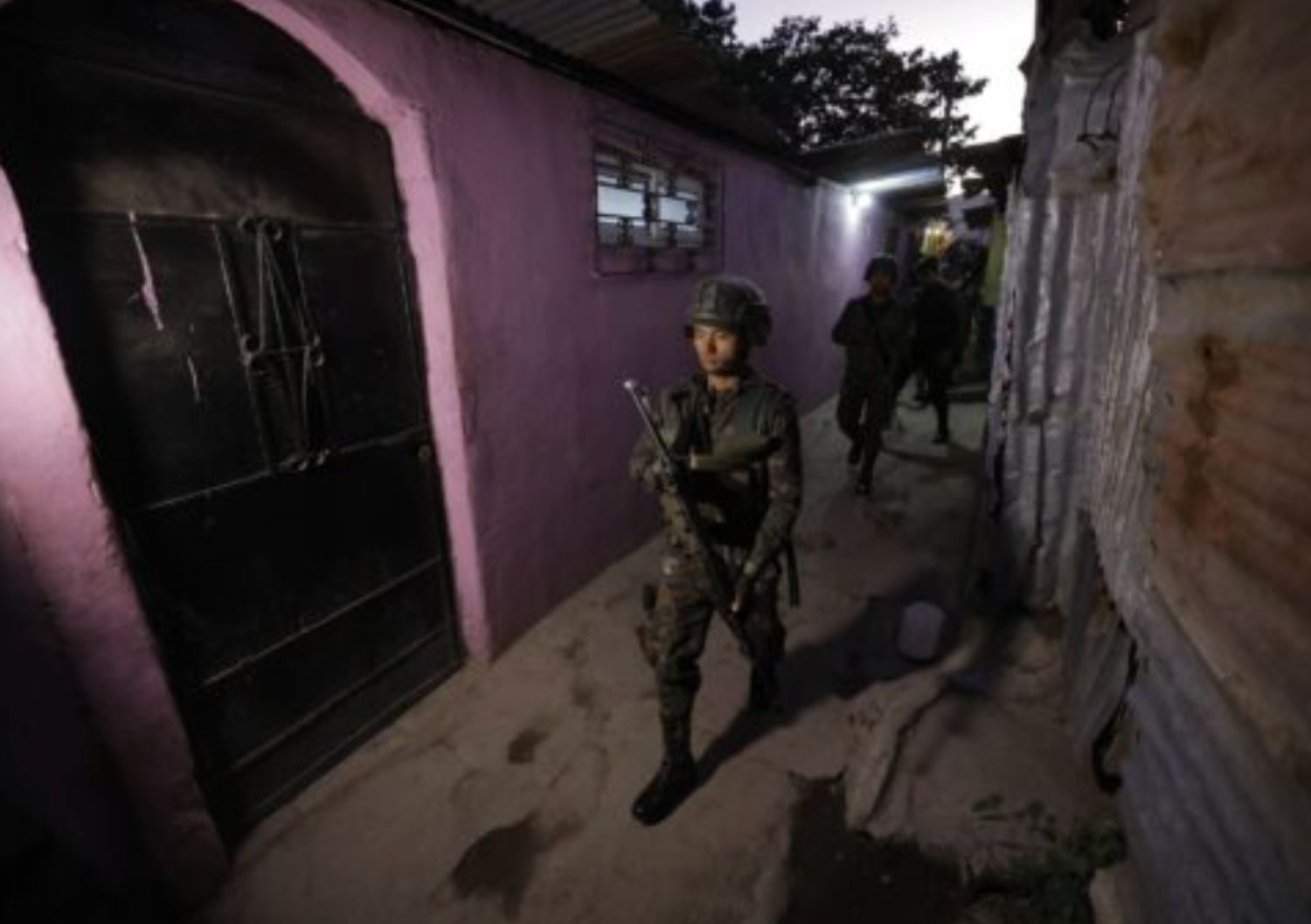
The Barrio 18's January attacks sought to destabilize the country to benefit well-connected political elites who have challenged the government of President Bernardo Arévalo.
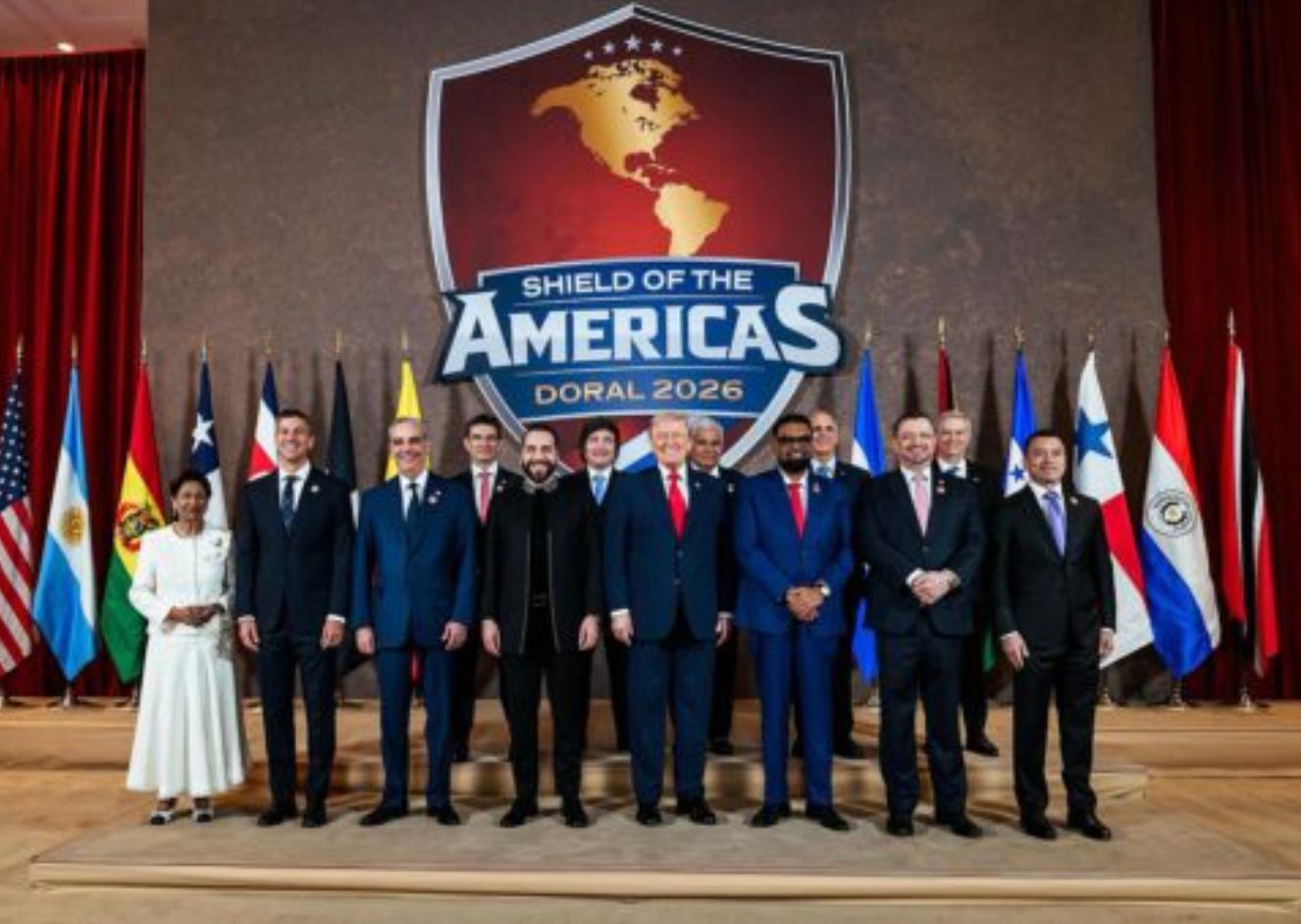
Last weekend, Donald Trump met with right-wing allies from Latin America to kick off a new military coalition to attack so-called drug cartels and push his agenda up and down
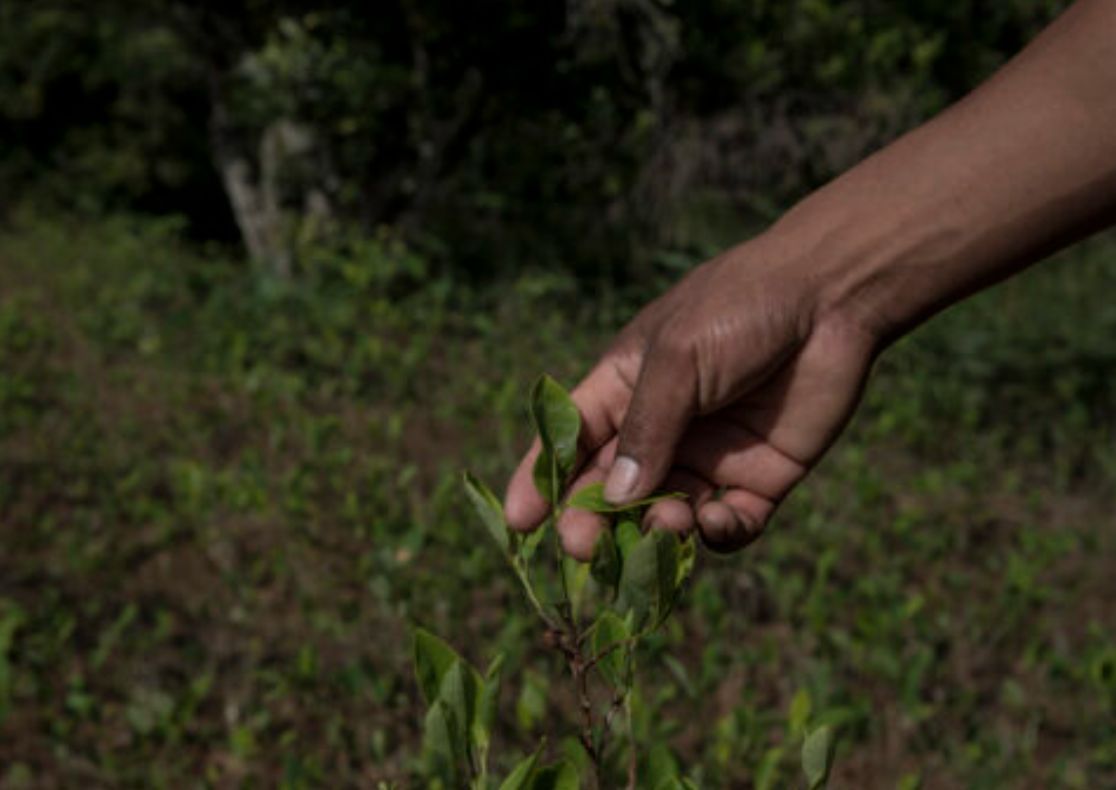
IMAGE OF THE WEEK
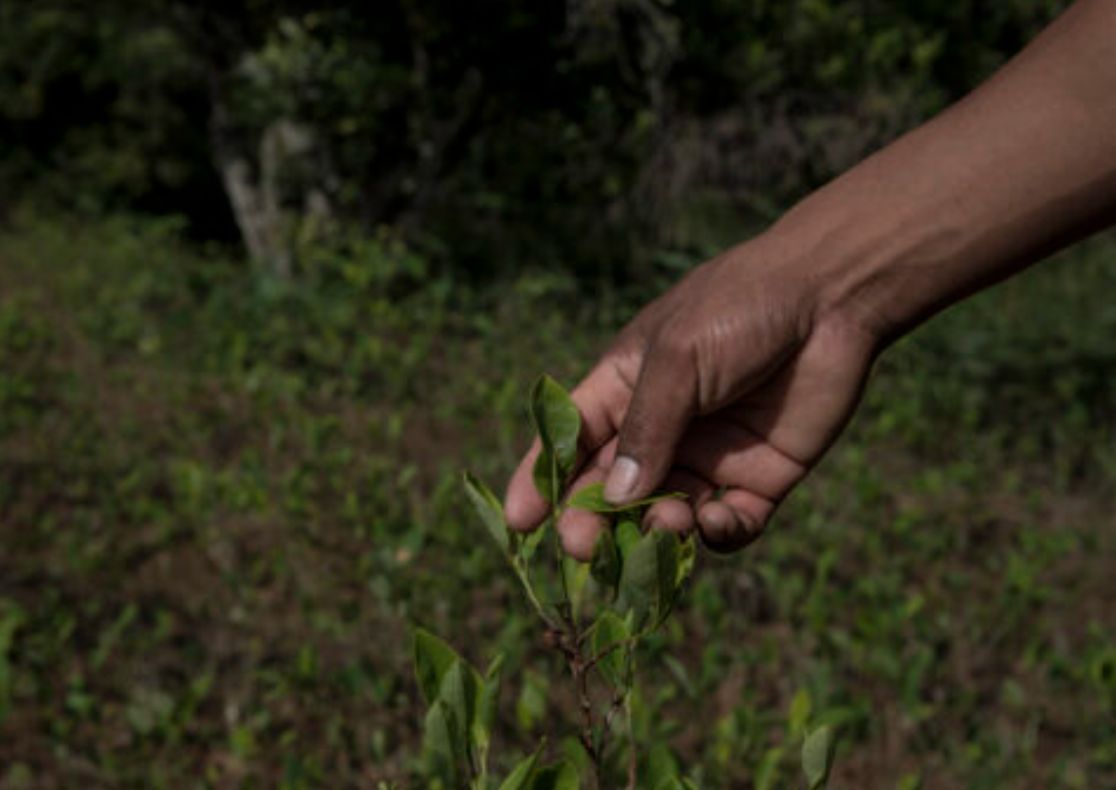
Detail of coca leaves at a coca leaf plantation in Cruz Loma, Los Yungas, the largest area of coca cultivation in Bolivia. (Photo: Marcelo Pérez de Carpio). Read more about the World Health Organization's refusal to reclassify the coca leaf in Linda Farthing's article for NACLA.
AROUND THE REGION
ECUADOR’S EXPANDING WAR—Ecuador’s government announced Monday that it had deployed 75,000 soldiers and police officers across four provinces wracked by violence, formally beginning a two-week U.S.-backed operation to crack down on organized crime. Declaring that the country was “at war,” Interior Minister John Reimberg warned residents in provinces affected by new nighttime curfews to “stay home” and “not take any risks.” The rights violations that have already characterized far-right President Daniel Noboa’s wider war on criminal groups, launched in January 2024, appear to be continuing. In the lead up to the operation, soldiers dismantled public street cameras, applied the curfew to journalists who are usually exempted, and allegedly tortured a man to death, before dropping his body off at the hospital. While crime is a serious issue in the country, the militarized approach taken by recent governments has often exacerbated the issue, a trend that frequent NACLA contributor Dawn Marie Paley argued will likely continue. “Recent history in the hemisphere suggests that the result is likely to be further entrenchment of extreme violence that leads to the strengthening of paramilitary formations,” wrote Paley.
COLOMBIA-ECUADOR TENSIONS: Weeks after Ecuadorian President Daniel Noboa teamed up with the U.S. military to launch joint strikes targeting alleged drug traffickers along its northern border with Colombia, an unexploded bomb was found on a farm in southern Colombia, sparking a diplomatic crisis. During a televised cabinet meeting on Monday, President Gustavo Petro alleged that the country was “being bombed from Ecuador” and appealed to the Trump administration for intervention. After Noboa rejected the accusation, Petro claimed that 27 charred bodies had been found in Colombia’s border region. The diplomatic rift between both countries stretches back to January, when Noboa announced a 30 percent tariff on Colombian goods to punish the country for alleged shortcomings in its anti-narcotics obligations, an accusation the Petro administration strongly rejects. Though the trade war has escalated since then, the fears of a wider armed conflict between the two nations led to calls for diplomacy, including a meeting between military officials on Wednesday. Though it remains unclear how the bomb landed in Colombia, the Ecuadorian government appeared to accept responsibility, though it claimed it was part of a “legitimate” military operation carried out on its own territory.
LIFE SENTENCES IN EL SALVADOR—El Salvador’s congress, firmly controlled by the party of strongman President Nayib Bukele, approved a constitutional amendment on Tuesday that will permit life sentences for “murderers, rapists, and terrorists.” The change raised fears that the excesses of Bukele’s crackdown on alleged gang members, and civil society in general, would deepen. While Bukele’s offensive against the MS-13 and Barrio 18 gangs has made the country safer and he retains popular support, it has come at the expense of human rights and the rule of law. Since Bukele’s declaration of a state of exception in 2022 suspended key constitutional provisions, alleged gang members have faced mass trials without due process, more than 90,000 people have been imprisoned—most held in pretrial detention—, and more than 450 have died in prison. These conditions have led critics to accuse Bukele of “crimes against humanity,” a conclusion echoed once again in a new report published last week by a team of international experts.
KAST’S EARLY DAYS—Less than a week after his inauguration, far-right President José Antonio Kast travelled to Chile’s northern border with Peru to oversee the construction of a border wall—a key campaign promise. In celebrating the launch of “Operation Border Shield,” Kast once again linked irregular migration to crime, claiming that his government was working on closing the border to “illegal immigration, drug trafficking, and organized crime.” Kast also revoked crucial environmental protections, fulfilling another key campaign promise. On Tuesday, the Ministry of the Environment announced that it had suspended 43 environmental decrees, some of which were issued in the final days of outgoing President Gabriel Boric. The suspensions covered a wide array of policies, including rules dealing with power plant emissions, pollution from smelting plants, the protection of the Humboldt penguin, the development of salt flats, and the creation of national parks to protect the country’s oceans. Kast defended the policy shift by casting environmental regulations as an obstacle to economic growth, an argument rejected by experts.