| |  | | The fallout from last week’s prisoner swap between the United States and Venezuela continued this week as the Venezuelans formerly detained in El Salvador’s maximum security CECOT prison returned to their homes and began telling their stories of abuse. Their reunions with their family members, though joyous, were accompanied by the revelation of harrowing tales of violence at the hands of the Salvadoran state. In response, the Venezuelan government opened a formal investigation. On July 18, 10 American captives and 80 Venezuelan political prisoners held in Venezuela were freed in exchange for the release of 252 Venezuelan migrants imprisoned in El Salvador. Among the released were men whose random detention and subsequent media vilification perfectly encapsulate the cruelty of the Trump administration’s deportation machine. Andry Hernández Romero, a makeup artist who fled Venezuela fearing persecution for his sexual identity and political beliefs, has returned home after being initially nabbed for his tattoo. So too has Neri José Alvarado Borges, a 24-year-old baker whose rainbow tattoo honoring his autistic brother led U.S. authorities to deem him a violent criminal. Arturo Suárez Trejo, a husband, father, and reggaetonero whose music surfaced online after he was abducted and sent to CECOT, returned to Caracas and spoke of all the innocent people he had met in the prison. Previous reports have detailed the violent treatment of detainees in CECOT. Still, the released Venezuelans’ tales of torture in the facility were shocking. During their four months living in CECOT, the men were allegedly subjected to beatings 24 hours a day, shot with rubber bullets, psychologically tortured, sexually assaulted, and given rotten food to eat. Though all of the 252 men returned to Venezuela were labeled by the United States as hardened criminals, the Venezuelan government announced that only seven had pending criminal cases in their country, a finding that matches earlier reporting. Venezuelan state television aired videos of the men speaking of their treatment and announced a formal investigation into the actions of Salvadoran President Bukele. Though there have not yet been reports from the 10 freed U.S. citizens of their experiences in Venezuela, the conditions of their capture were similar to the six U.S. citizens freed in an earlier January deal who reported inhumane treatment during their detention. The government of Nicolás Maduro has long been credibly accused of arbitrary arrest and torture. The U.S. State Department framed the deal as an attempt to defend the rights of those unjustly held abroad. But the trade was supposed to be impossible; The Trump administration had repeatedly claimed that the fate of Venezuelans deported to El Salvador belonged to the government of President Nayib Bukele, not the United States. The use of these prisoners as political bargaining chips, as well as a recent admission by the Salvadoran government itself, revealed this to be a lie. |
| |
|
|
|
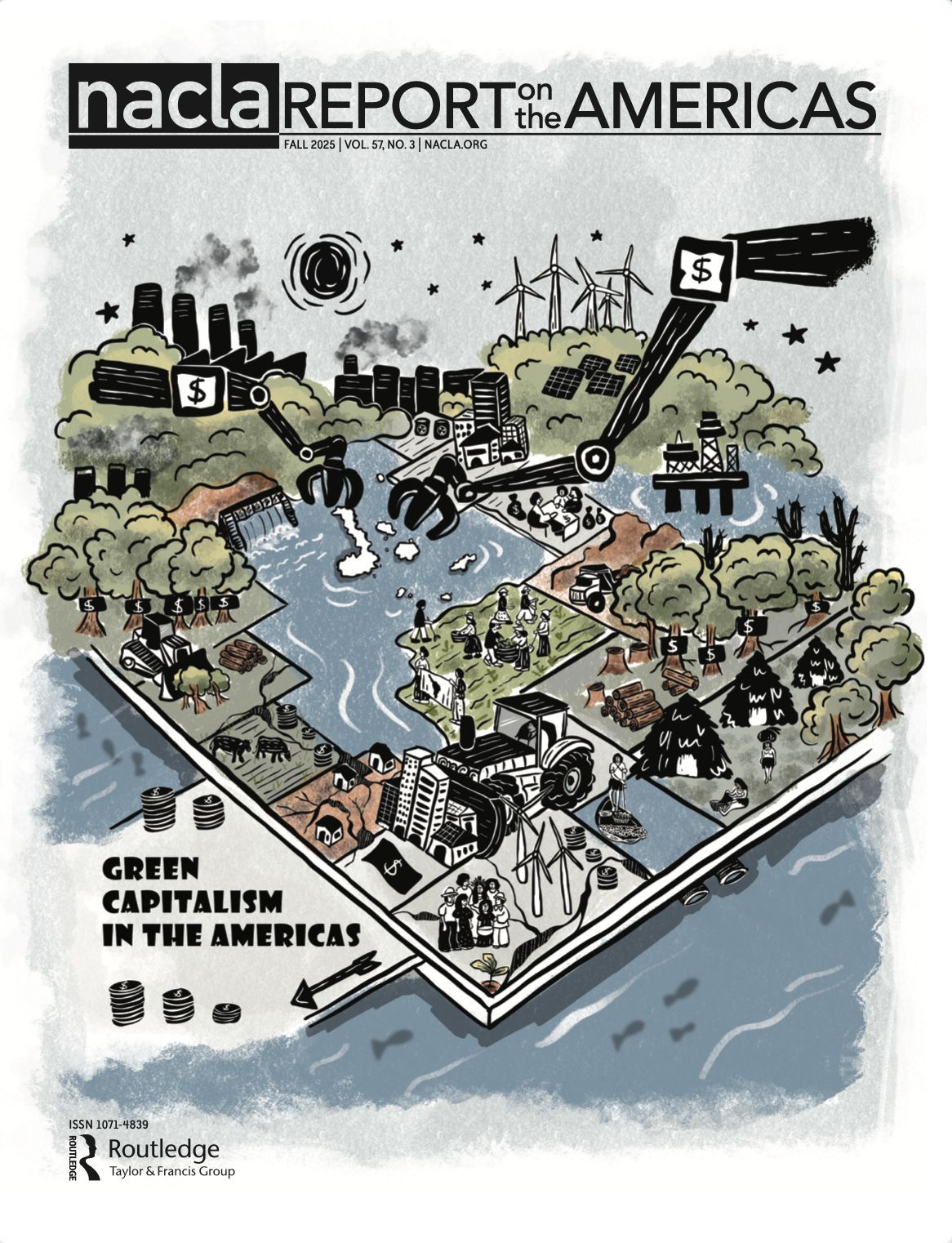
| | | | | | | | Subscribe by August 8th to get your copy in the mail. Guest edited by Sabrina Fernandes and Breno Bringel, the Fall 2025 issue critically examines the rise of green capitalism in the Americas. In the lead-up to COP30 in Belém in November, we analyze how its logics and instruments are shaping policy and territory, enabling new forms of dispossession, and deepening historical inequalities. The issue also highlights the movements, communities, and visions from below that challenge these false solutions and point the way toward just ecosocial transitions. Please also consider making a donation to help sustain this work. |
| |
|
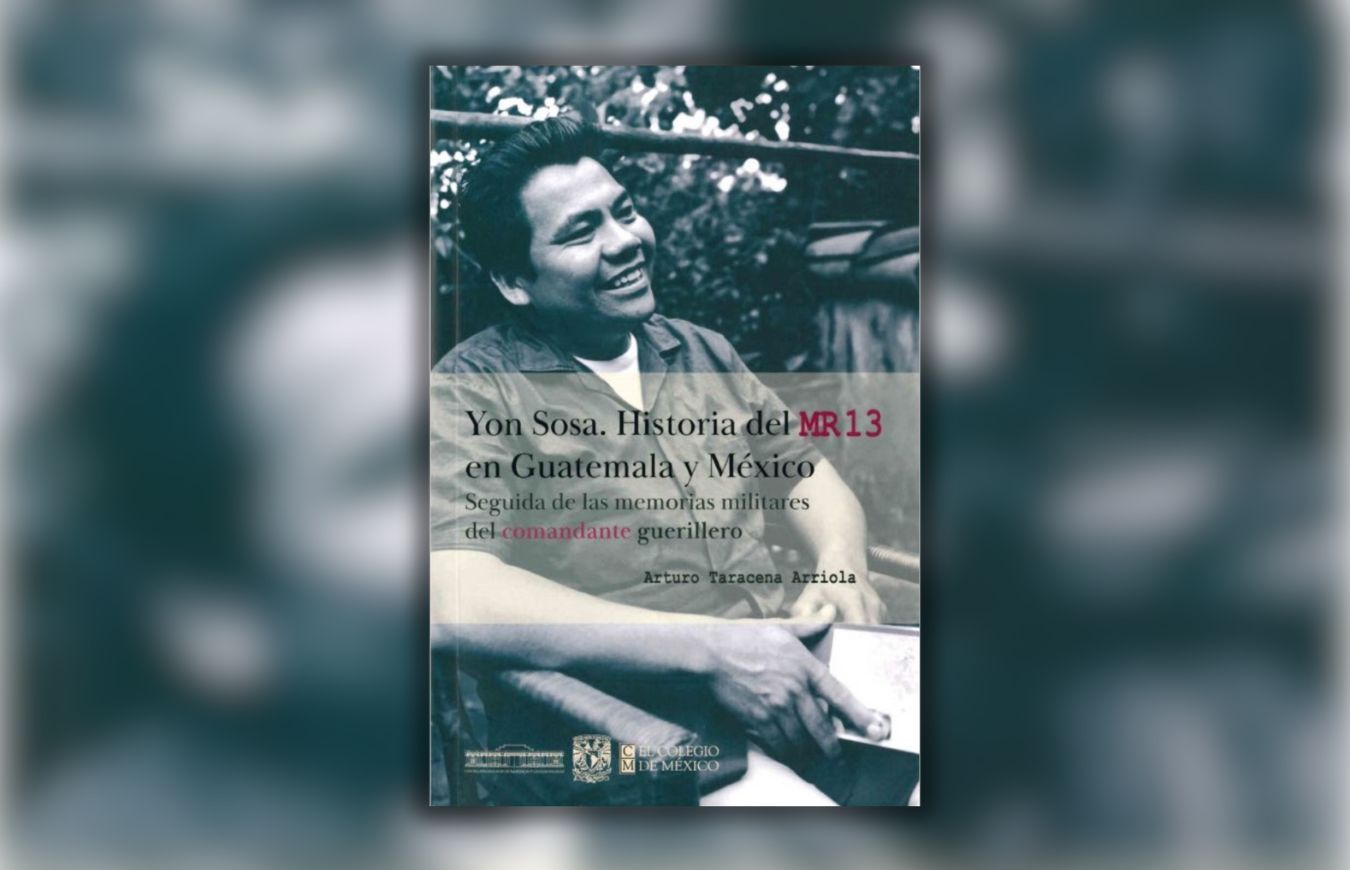
| | | | | Yon Sosa. Historia del MR13 en Guatemala y México: Seguida de las Memorias Militares del Comandante Guerrillero (REVIEW) Javier Porras Madero | July 25, 2025 Arturo Taracena’s deep dive into the Guatemalan guerrilla group and its leader is social history at its finest. |
|
|
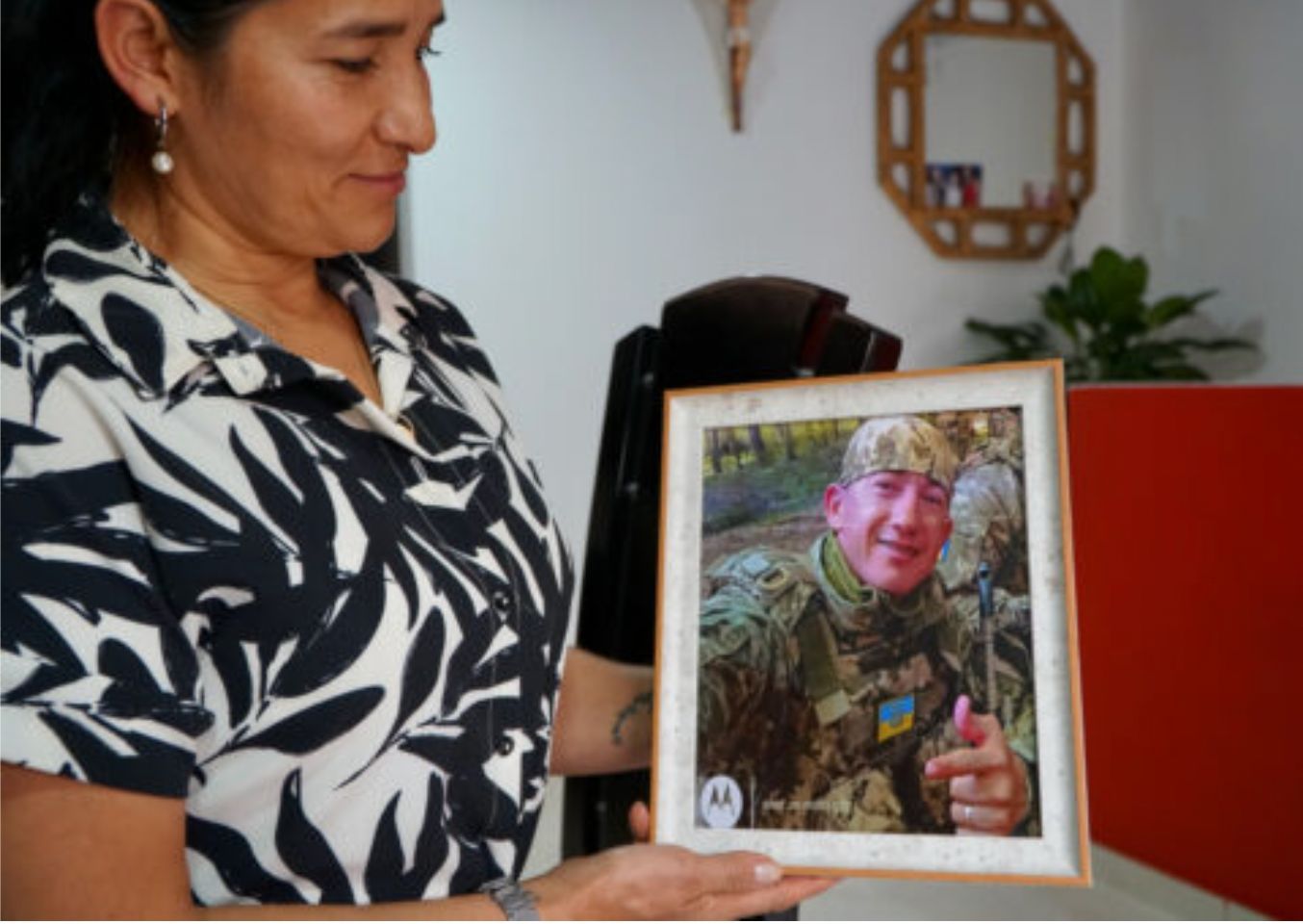
| | | | | | 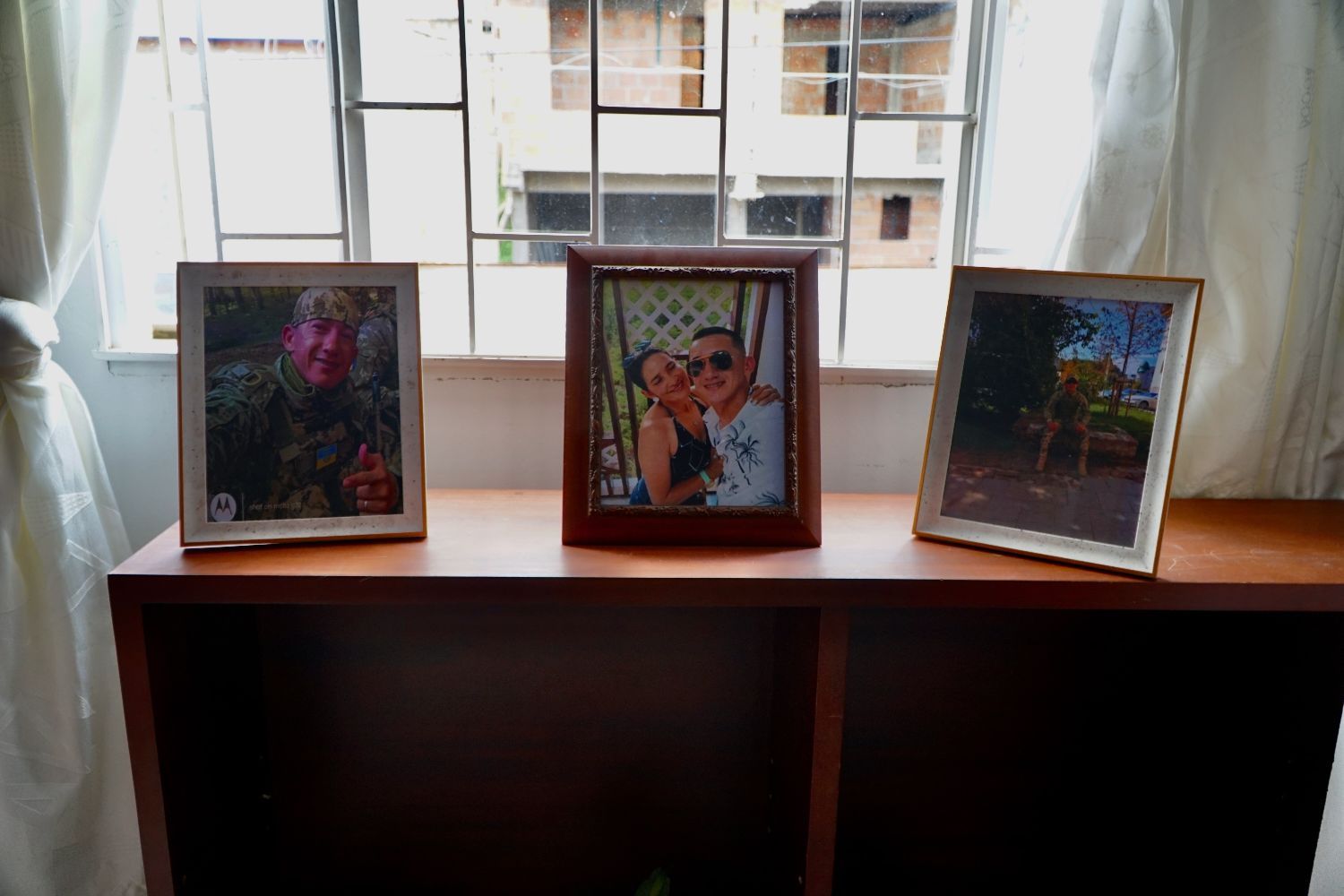 | Three photos from the home of Olga Suarez Fuentes. They depict and her partner, Jorge Yelian Pimiento Mejia, a Colombian man who volunteered to fight in Ukraine. Read more about their story in an article written for NACLA by Tony Kirby and Anna Abraham. (Tony Kirby). |
|
|
| | | -
ALLIGATOR ALCATRAZ DENOUNCED—Florida nonprofits, doctors, public health experts, and family members of detainees held a press conference Tuesday morning to call for the closure of an immigrant detention center known as “Alligator Alcatraz.” They gathered directly outside the facility, which is located in the humid Florida Everglades and surrounded by marshlands full of alligators. Since the jail opened earlier this month, the Trump administration has bragged about the site’s brutal conditions. Detainees report that they often sleep in overcrowded cages “flooded with feces,” are denied medical care, and subject to sweltering heat, mosquitoes, and insufficient food. Supposedly built to house “the worst of the worst,” the detention center has reportedly held hundreds of detainees with no criminal charges, violators of minor traffic laws, and a 15-year old boy. The barbaric conditions caught the attention of Mexico’s President Claudia Sheinbaum, who said that her government was making arrangements to ensure that “they are repatriated immediately.” -
BRAZIL TO JOIN ICJ CASE AGAINST ISRAEL— Brazil is formally requesting to intervene in a case before the International Court of Justice (ICJ) that claims Israel is committing a genocide in Gaza. In his Wednesday announcement that Brazil was in the “final stages” of submitting an application to join the case, the country’s foreign minister said that there is “no longer room for moral ambiguity” and that “impunity undermines international legality.” Brazil joins 14 other countries that have also pledged to back the case, including Colombia, Chile, Cuba, Bolivia, and Mexico. The case, which has become a rallying cry for non-Western countries to hold Israel accountable and defend the principles of international law, was initially brought to the court by South Africa in late December 2023. Brazil’s announcement came as President Luiz Inácio “Lula” da Silva has become increasingly vocal in his criticism of Israel’s genocide. Yet as Israel purposely starves the people of Gaza and kills them as they search for food, Brazilian unions and activists have called on Lula to go beyond rhetoric and implement an energy embargo on Israel. Brazil is deeply implicated in fueling Israel’s war machine, sending the country nearly 3 million barrels of crude oil to the country in 2024. It also retains diplomatic ties with Israel. |
|
|
| -
CHIQUITA EXECUTIVES SENTENCED—Colombian courts sentenced seven executives from the banana giant Chiquita Brands to 11 years in prison and a fine of $750,000 on Wednesday for laundering money to a paramilitary group during the country’s armed conflict. According to the case, in the late 1990s and early 2000s, the company paid a total of $1.7 million to the United Self-Defense Forces of Colombia (AUC), a right-wing paramilitary death squad responsible for the displacement, torture, and murder of thousands of civilians. The money was laundered through two of Chiquita’s Colombian subsidiaries and paid out through CONVIVIR, a state-backed initiative that enabled private companies to hire security and fueled the AUC’s growth. Three cents of every dollar the company made from its bananas went to the AUC, which used the profits to purchase weapons and murder social leaders. It is unlikely that most of the executives will serve jail time: while a few live in Colombia, most of them live abroad or are U.S. citizens. Chiquita, formerly known as the United Fruit Company, has a long history of sponsoring violence in the region. In June 2024, a U.S. civil court forced the company to pay $38.3 million to victims of the AUC for payments it made to the criminal group. -
GENTRIFICATION IN MEXICO CITY— Protesters in Mexico City once again called on the government to do more to combat a gentrification crisis that has raised housing prices, displaced residents, and fundamentally transformed the city’s culture. Sunday’s protest focused on the southern borough of Tlalpan, which is adjacent to a large stadium that will draw thousands as Mexico prepares to co-host the 2026 World Cup. Protesters highlighted the risk posed to residents by real estate speculation in the lead-up to the event. This is the second anti-gentrification protest in two weeks, focusing mainly on the rent surge fueled by “digital nomads” from the United States, a population that has surged in the wake of the COVID-19 pandemic. On Tuesday, Mexico City Mayor Clara Brugada, herself a longtime activist, announced a “Plan for a Livable and Affordable City with Local Identity and Roots.” The plan, which supporters said puts the city at the “global vanguard” in the fight against gentrification, calls for consultation with affected communities and rent control, a crackdown on short-term rentals, the construction of affordable public housing, and the protection of the city’s cultural identity. |
|
|
|
|
|
|
| | | North American Congress on Latin America
53 Washington Sq South, Fl. 4W | New York, New York 10012
(212) 992-6965 | [email protected] |
| |
|
| |
|
|