Nearly two weeks after Hondurans cast their votes, the country’s electoral authorities have yet to declare an official winner. Though a tense calm has held up until now, mounting accusations of fraud, allegations of “coups,” and the revelation that gangs exerted pressure to tip the scales have threatened to profoundly destabilize the country.
As things stand, Nasry Asfura, the Trump-backed former mayor of Tegucigalpa, maintains a slight lead over Salvador Nasralla, the centrist former vice president who last week was narrowly ahead. On Monday, Nasralla formally alleged fraud in the vote count, pointing to repeated crashes of the vote-tabulation system and demanding recounts in several departments. “This is theft,” he said, accusing Asfura’s National Party of “manipulating the system.”
Asfura is not the only one to question the legitimacy of the results. Representatives of the ruling left-wing LIBRE party have also denounced the conditions under which the elections were held. Rixi Moncada, LIBRE’s candidate who is currently in a distant third place, said earlier this week that her movement “does not recognize the elections held under the interference and coercion of the President of the United States.” She called for the results to be annulled, for new elections, and for popular mobilizations to defend the country’s sovereignty. Xiomara Castro, the current president, also alleged that an “electoral coup” was underway. In addition to pointing to the outsized influence of the Trump administration, she denounced manipulation of the results transmission system and the “threats, coercion, and adulteration of the popular will” that characterized the vote.
Moncada’s poor showing most likely had less to do with fraud than with the country’s ongoing security crisis and corruption scandals, which eroded support for the ruling party. Nevertheless, reporting this week by The Intercept lent credence to LIBRE’s claims of widespread intimidation. Numerous sources told the outlet that MS-13 gang members fanned out across Tegucigalpa and San Pedro Sula to threaten people against supporting LIBRE: they warned voters they would be killed if they backed Moncada, forbid moto-taxis from bringing potential LIBRE voters to the polls, and, in some places, checked ballots inside polling stations to enforce compliance. Though MS-13 was declared a Foreign Terrorist Organization by the Trump administration earlier this year, the gang reportedly intimidated voters into supporting Asfura, Trump’s preferred candidate.
For the first time since the election, protesters have begun to take to the streets. On Tuesday night, LIBRE supporters gathered outside the offices of the National Electoral Council in Teguicigalpa in response to a call from Manuel Zelaya, Castro’s husband and a former president himself. By Wednesday, the protests had begun to spread across the country. Even so, Zelaya has not claimed that Moncada was robbed of a victory. In a surprising move that may point to back-channel negotiations between competing parties, Zelaya announced on social media that his party’s internal counts point to a clear victory for Nasralla, Castro’s former vice president before his acrimonious split with LIBRE.
Though protests have remained tame so far, the longer the vote count drags on, the stronger the political crisis becomes. Hoping to foreclose this possibility, the military vowed on Wednesday to ensure an orderly transfer of power once electoral authorities declare an official winner. Still, given the military’s role in the 2009 coup that overthrew Zelaya, its impartiality is far from guaranteed.
Given our critical left perspective, perhaps it won't come as a surprise that we don’t attract many billionaires. But you don’t have to be a millionaire to support NACLA—we know the value of grassroots support. No matter how much, your gift has a singular impact that helps us commission, edit, and publish crucial reporting and analysis on the Americas.
In fact, today we can double the impact of gifts of all sizes.Thanks to the generosity of NACLA's Board and Editorial Committee, all gifts made this week will be matched up to $4,000!
If you’ve been waiting to donate this year-end, now is the perfect time to ensure your donation has the highest impact—no matter how big or small. Donate today to have your gift matched!
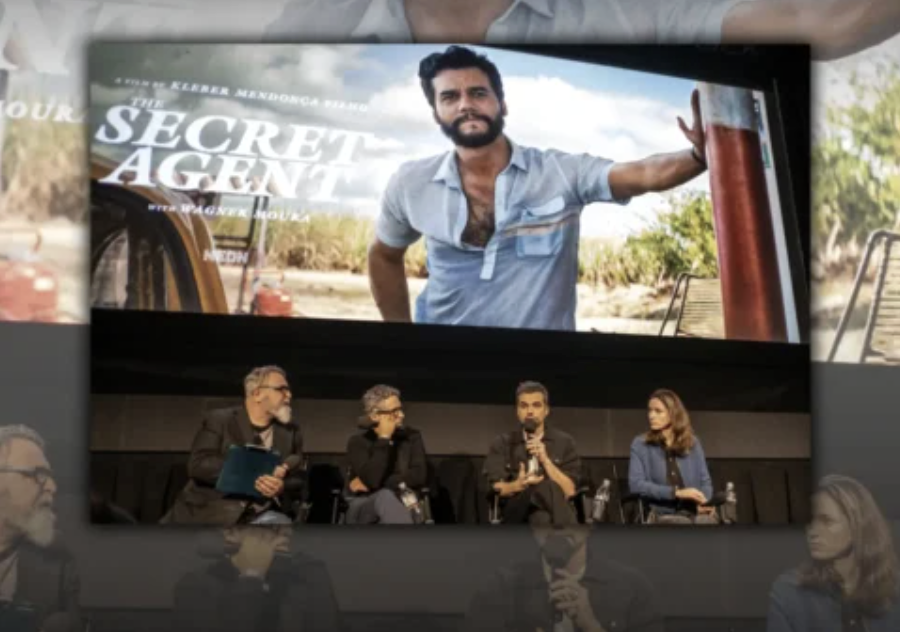
Kleber Mendonça Filho's latest political thriller, O agente secreto, comes at the end of an exceptional year for Brazilian films set during the military dictatorship.
Mientras el país se inclina hacia la derecha y sus nuevos líderes se enfrascan en luchas internas, la justicia y las reparaciones por las masacres de 2019 se detienen.
IMAGE OF THE WEEK
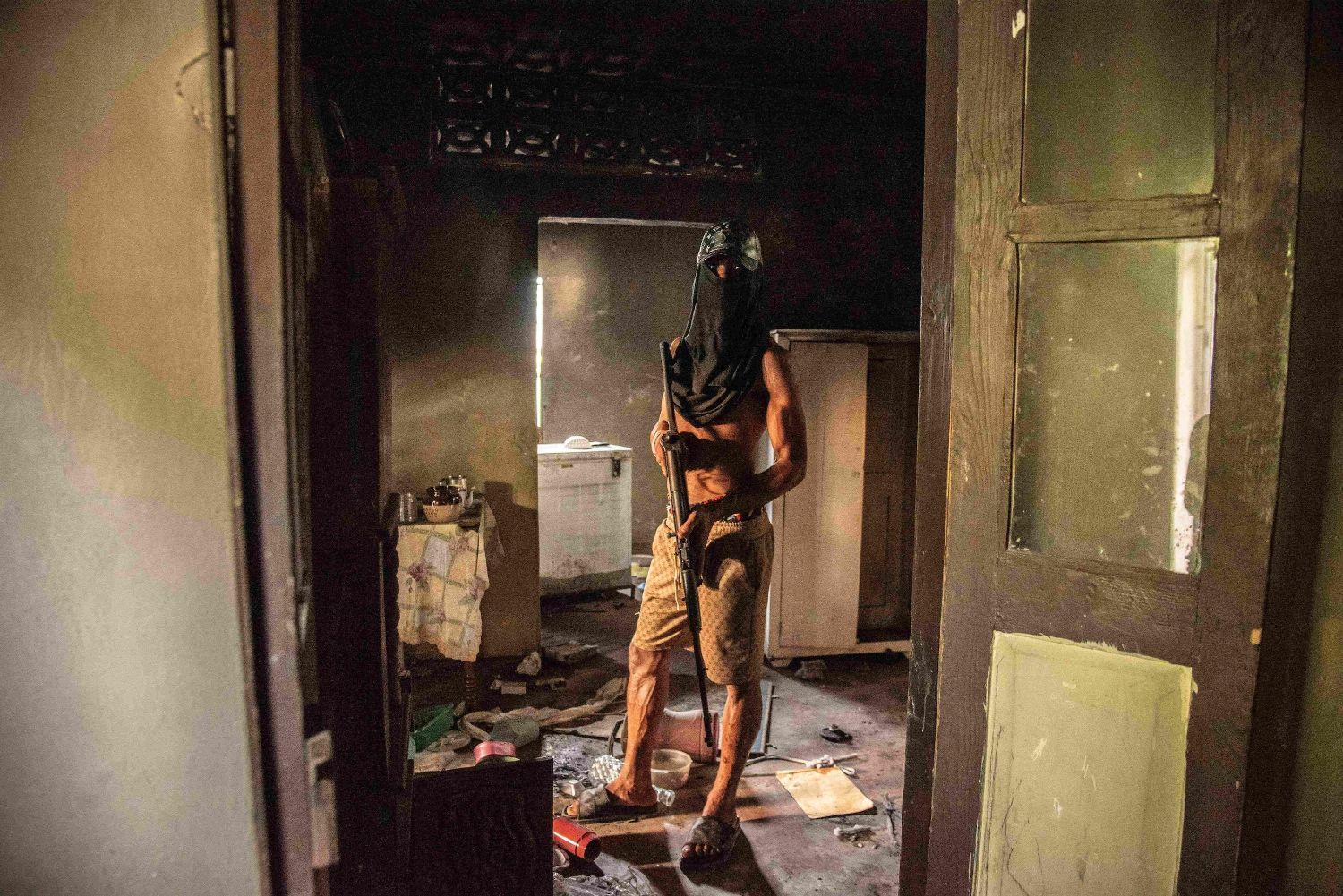
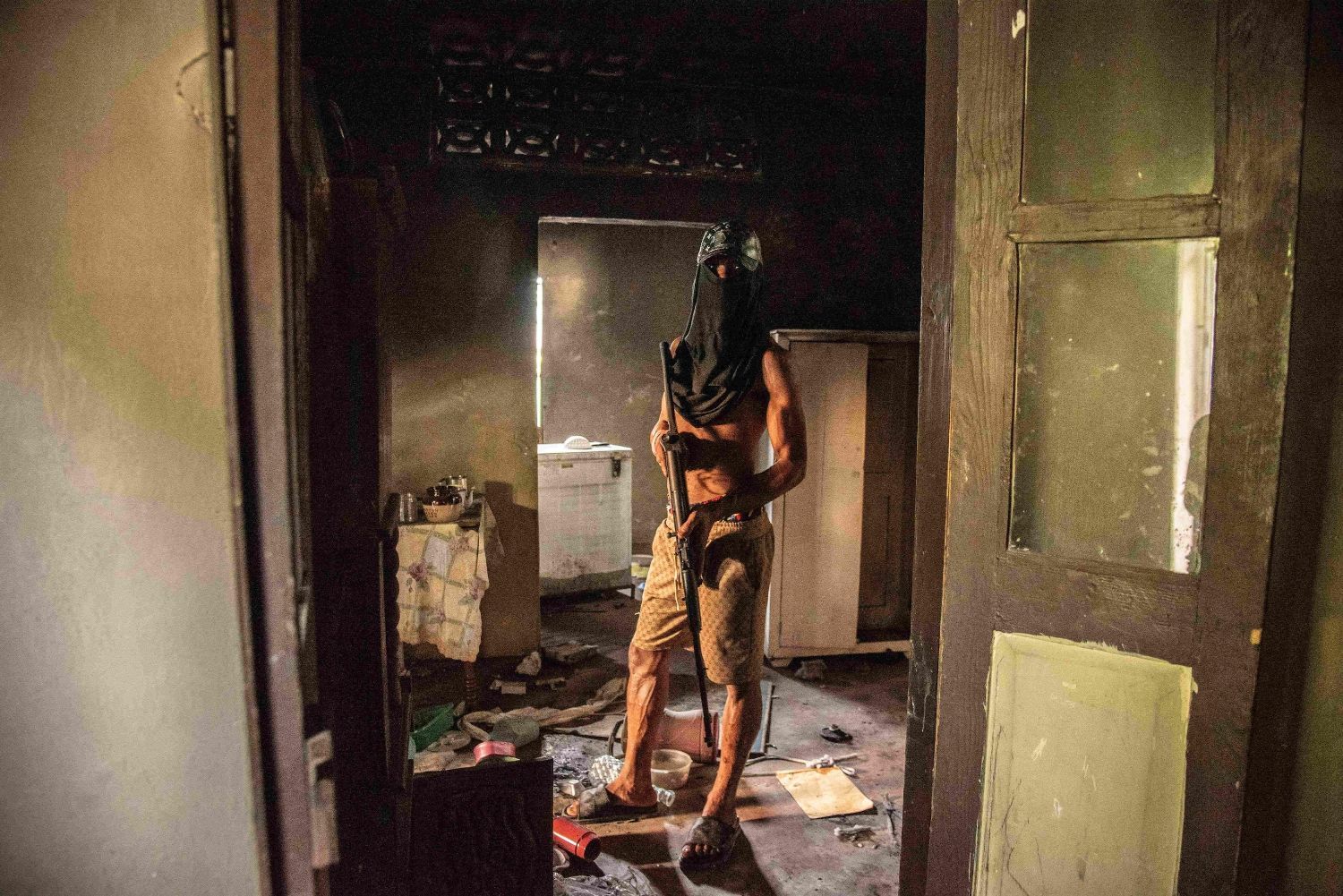
A member of the armed gangs that control Haiti's capital Port-au-Prince, July 15, 2024. (Hector Adolfo Quintanar Perez / ZUMA Press Wire / Alamy). Read more about the role of child combatants in Haiti's gangs in Danny Shaw's article for NACLA this week.
AROUND THE REGION
MACHADO’S PEACE PRIZE—María Corina Machado, the Venezuelan opposition leader awarded the Nobel Peace Prize in October, was unable to attend her own acceptance ceremony in Oslo on Wednesday, arriving hours after her daughter accepted the award on her behalf. Intrigue over her whereabouts dominated the event: her pledge to appear in person raised immediate questions, given that she has been in hiding since August 2024 and returning to Venezuela could mean arrest. Her journey reportedly began with a boat trip to Curaçao, though President Nicolás Maduro’s role remains unclear; some outlets cast her voyage as clandestine, while others reported that the government helped her leave as a gesture of goodwill toward the United States. The focus on her escape briefly overshadowed growing anger over the Committee's decision to grant her the award. Critics have condemned her support for Trump’s extrajudicial strikes on vessels and her parroting of debunked claims about Maduro’s interference in U.S. elections and alleged role as a cartel boss, prompting protests in Oslo. Upon her arrival in the Norwegian capital, she continued to champion aggressive action, calling the Trump administration’s seizure of a Venezuelan oil tanker a “very necessary step.”
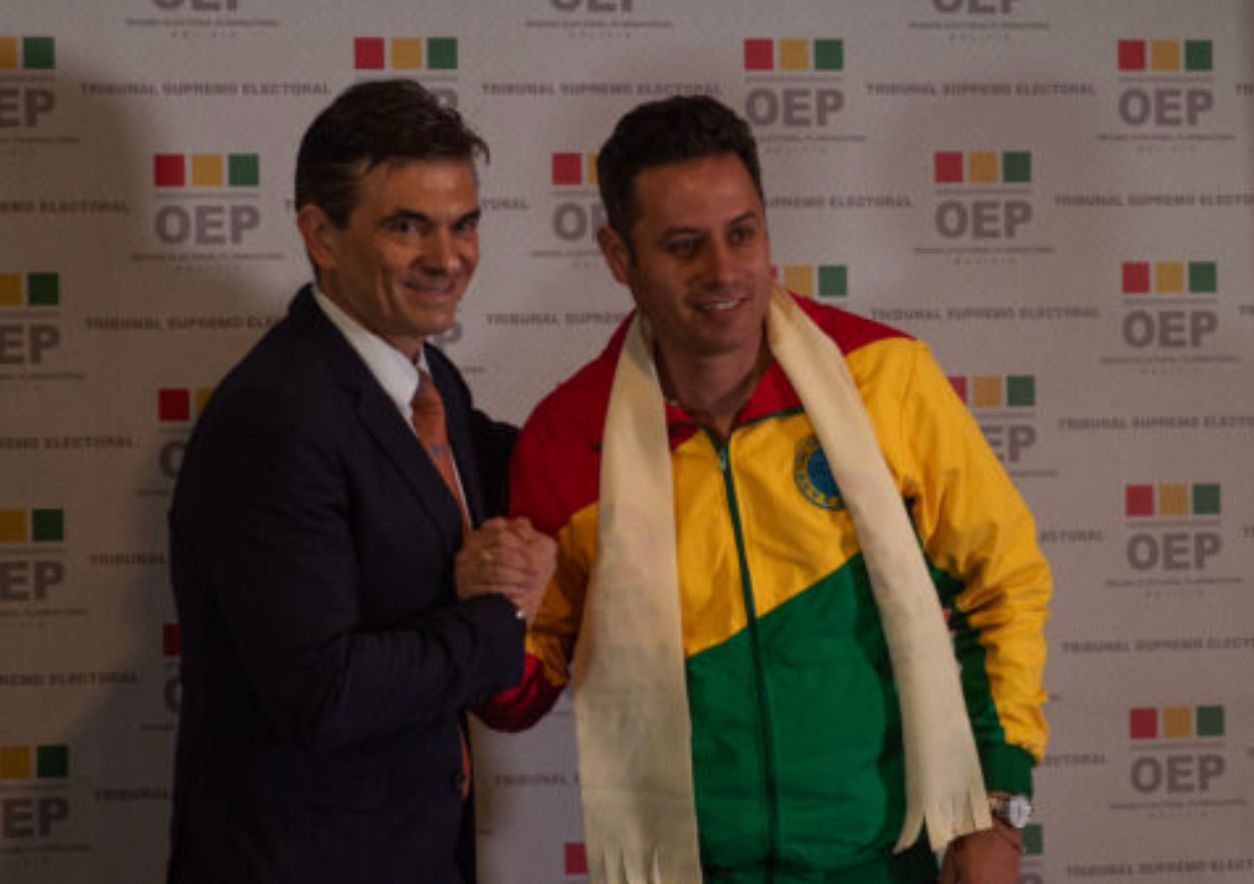
ARCE DETAINED—Luis Arce Catacora, Bolivia’s former President who left power just last month, was detained on Wednesday on charges stemming from his alleged role in a corruption scheme that channeled state funds to the personal bank accounts of government officials. Arce’s arrest comes only weeks after he transferred power to Rodrigo Paz, the country’s first elected right-wing leader in decades. Since taking office, Paz has railed against alleged corruption within the formerly ruling left-wing MAS party and activated at least 10 formal commissions to investigate. This anti-corruption drive has been supercharged by Vice President Edmand Lara, a Tik Tok-savvy former police captain who built a following by denouncing police corruption. On Wednesday, Lara championed Arce’s detention and vowed to hold accountable “everyone who has stolen from this country.” Arce previously served as economy minister under former President Evo Morales, the role for which he is now accused of corruption. Marco Antonio Oviedo, the new interior minister, said Arce was the “principal person responsible” for the loss of more than $50 million originally intended for Indigenous and rural development projects. Arce is set to face a judge on Thursday, who will decide whether he can remain under house arrest during the investigation. If convicted, he could face up to six years in prison. For more on the Paz and Lara government, see Benjamin Swift and Linda Farthing’s recent article for NACLA.
BOLSONARO AND SON—Brazil’s lower house of Congress approved legislation on Wednesday that could significantly reduce the sentence of former President Jair Bolsonaro. The vote, which passed by a large margin, comes weeks after Bolsonaro began serving a 27-year prison term for attempting to overturn the results of the 2022 election. If the Senate approves the measure, his sentence could be reduced to just two years; many of the his former supporters who stormed the presidential palace, Supreme Court, and Congress on January 8, 2023 would also be released on parole. Though support for Bolsonaro has waned since his imprisonment, his eldest son and current senator, Flávio Bolsonaro, announced last week that he will run for president in the October 2026 elections. His father’s endorsement quickly earned him the official backing of the far-right Liberal Party, as well as the support of several important allies. Still, his candidacy got off to a rocky start when he suggested on Sunday that he would exit the race for the right “price”—widely interpreted as a reference to his father’s incarceration—though he has since walked back the remark.
ELECTIONS IN CHILE—Chile’s two presidential candidates, right-wing front-runner José Antonio Kast and left-wing Jeanette Jara, faced off in a final debate this week as the country prepares for its momentous runoff vote on Sunday. Over two and a half hours, the candidates laid out starkly different visions for Chile’s future. Kast, a Pinochet-apologist who has promised to pardon scores of figures accused of crimes against humanity, implement a brutal crackdown on migrants, and model his security policies on those of Salvadoran President Nayib Bukele, portrayed Chile as a country in crisis. Jara, a Communist Party member who narrowly defeated Kast in the first round, emphasized her belief in a Chile where “instead of hating each other, we unite.” Observers, however, believe it is highly unlikely that Jara’s historic campaign will end in victory on Sunday. Kast, who beat multiple right-wing candidates in the first round and subsequently secured their support, is expected to beat Jara by a wide margin.