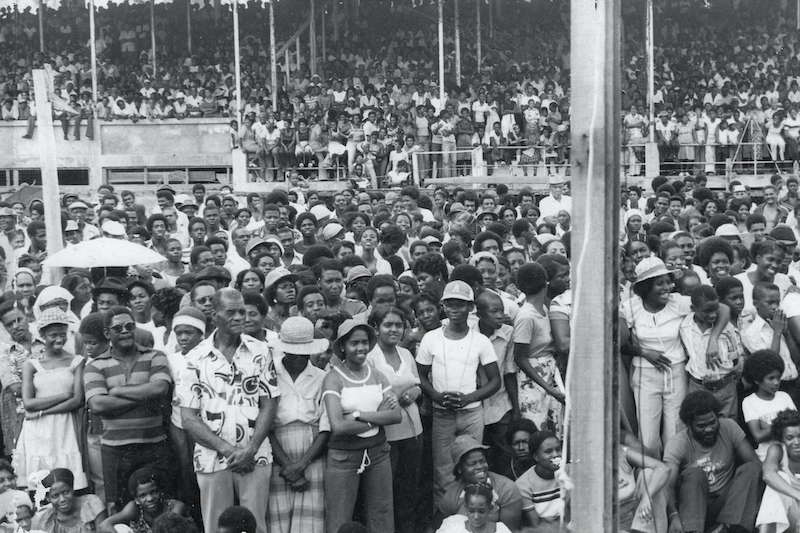
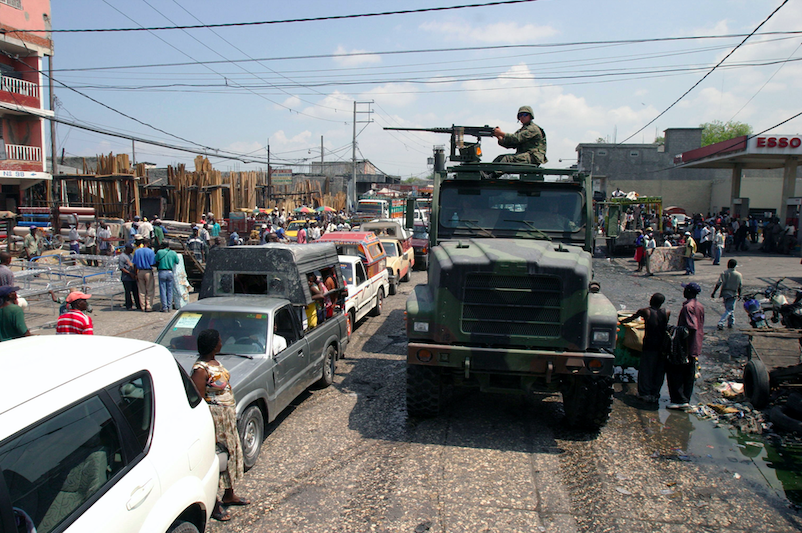
|  | | | On April 28, 1965, over 22,000 U.S. troops invaded the Dominican Republic in the name of warding off the threat of communism. Nearly two decades later, on October 25, 1983, thousands of U.S. troops descended on Grenada with similar Cold War justifications. Today, 40 years on from the Grenada invasion, the legacies of empire and imperialism continue to reverberate across the Caribbean. Former colonial powers shirk calls for reparations even as debt and climate crises increasingly squeeze Caribbean nations. U.S. foreign policy has seen no substantial overhaul in the 200 years since the declaration of the Monroe Doctrine, the position that has fundamentally shaped U.S. intervention and hegemony in the Americas. In recent decades, the expansion and entrenchment of neoliberal capitalism has compounded the plunder. |
| The Fall 2023 issue of the NACLA Report delves into these histories and presents. Contributors tackle head-on the issues that define both the Caribbean and the world today: climate crisis, extractive capitalism, displacement, migration, and struggles for revolution, decolonization, reparations, and self-determination. “As in the past,” guest editors Nicole Burrowes and Mónica A. Jiménez write in their introduction, “the region continues to reshape and rebuild itself in the afterlife of empire.” |
|
|
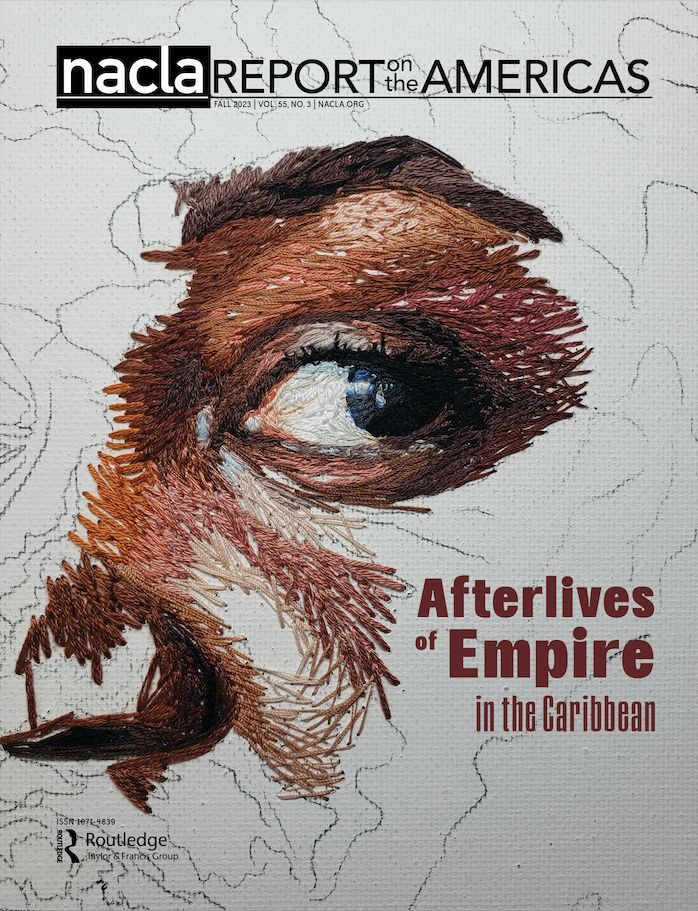
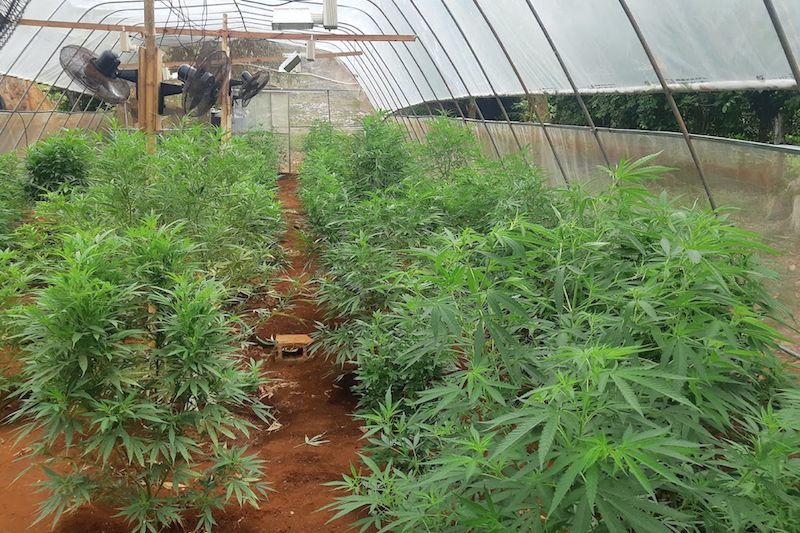
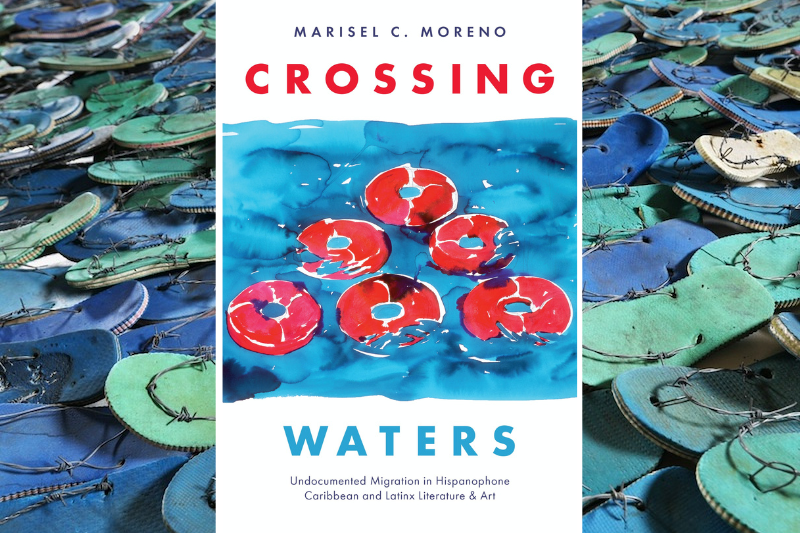
| This issue brings together historians, anthropologists, climate researchers, artists, and others to examine these afterlives of empire while highlighting the movements and communities struggling to be free. From the latest extractive frontier of offshore oil drilling in Guyana to the new plantation economy of Jamaica’s medicinal cannabis industry, Caribbean peoples are resisting the imperial status quo and building livable alternatives from below. By examining how empire’s ripple effects are lived today, the authors “not only advance our regional understandings,” Burrowes and Jiménez write, “but also ask us to imagine and remake out world anew.” Cover artwork by Trinidadian artist Nneka Jones similarly "prompts us to weave, design, and bring new possibilities into being." The theme of empire in the Caribbean is woven into NACLA’s history. Back in the 1960s, NACLA came to life in response to the U.S. invasion of the Dominican Republic. In the wake of that invasion, “the ‘movement’ reacted quickly and strongly,” as longtime NACLA editor Fred Rosen wrote. “It was out of that reaction that NACLA was formed.” While the critical contributions in this issue speak for themselves, the theme also holds a special place for taking us back to NACLA’s important roots. |
|
|
| | Keep scrolling to explore key pieces from the issue—available open access for a limited time only. Looking ahead, our Winter 2023 issue of the NACLA Report will explore militarism across the Americas. Not yet a subscriber? Subscribe now to receive the Winter issue in print! |
| | | |
|
| | Haiti as Empire’s Laboratory Jemima Pierre As the United States and its allies push renewed foreign intervention, the uses and abuses of the first Black republic as a testing ground of imperialism offer stark warnings. Haiti still struggles to be free. |
|
|
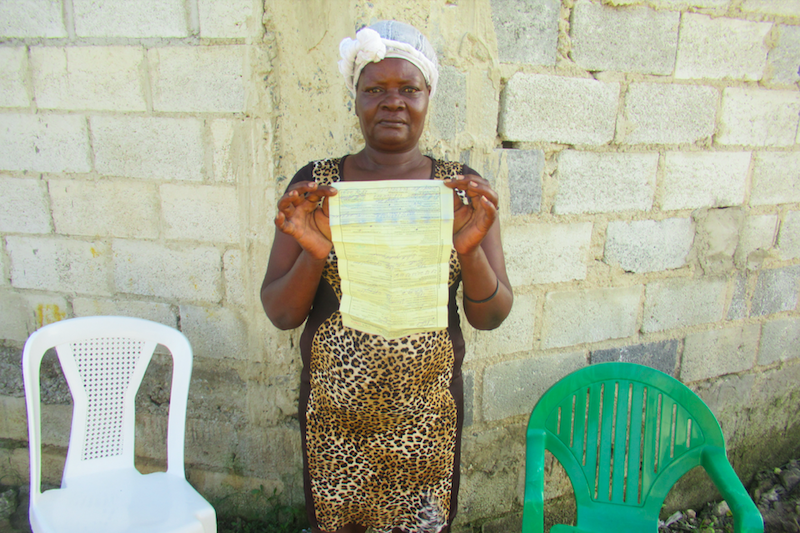
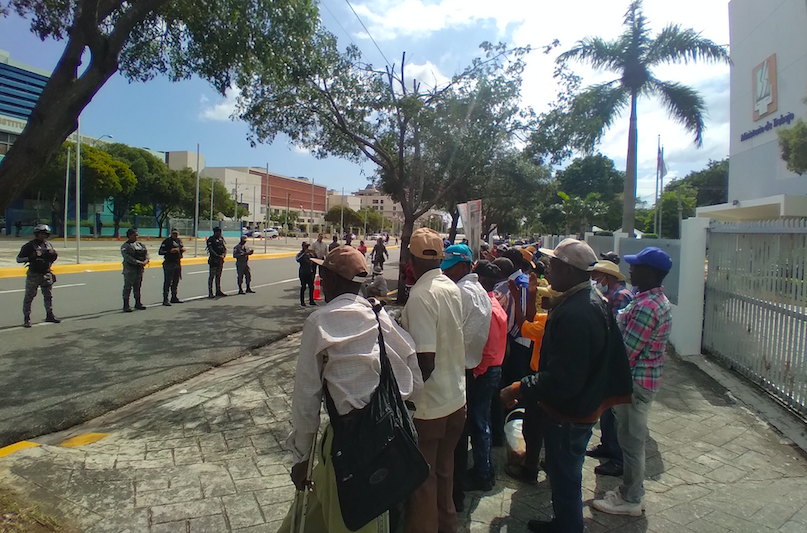
| Apartheid in the Caribbean Simón Rodríguez In the Dominican Republic, policies toward Haitians and Dominicans of Haitian descent bear ominous parallels with Israel’s racist repression of the Palestinian people. |
|
|
| | | 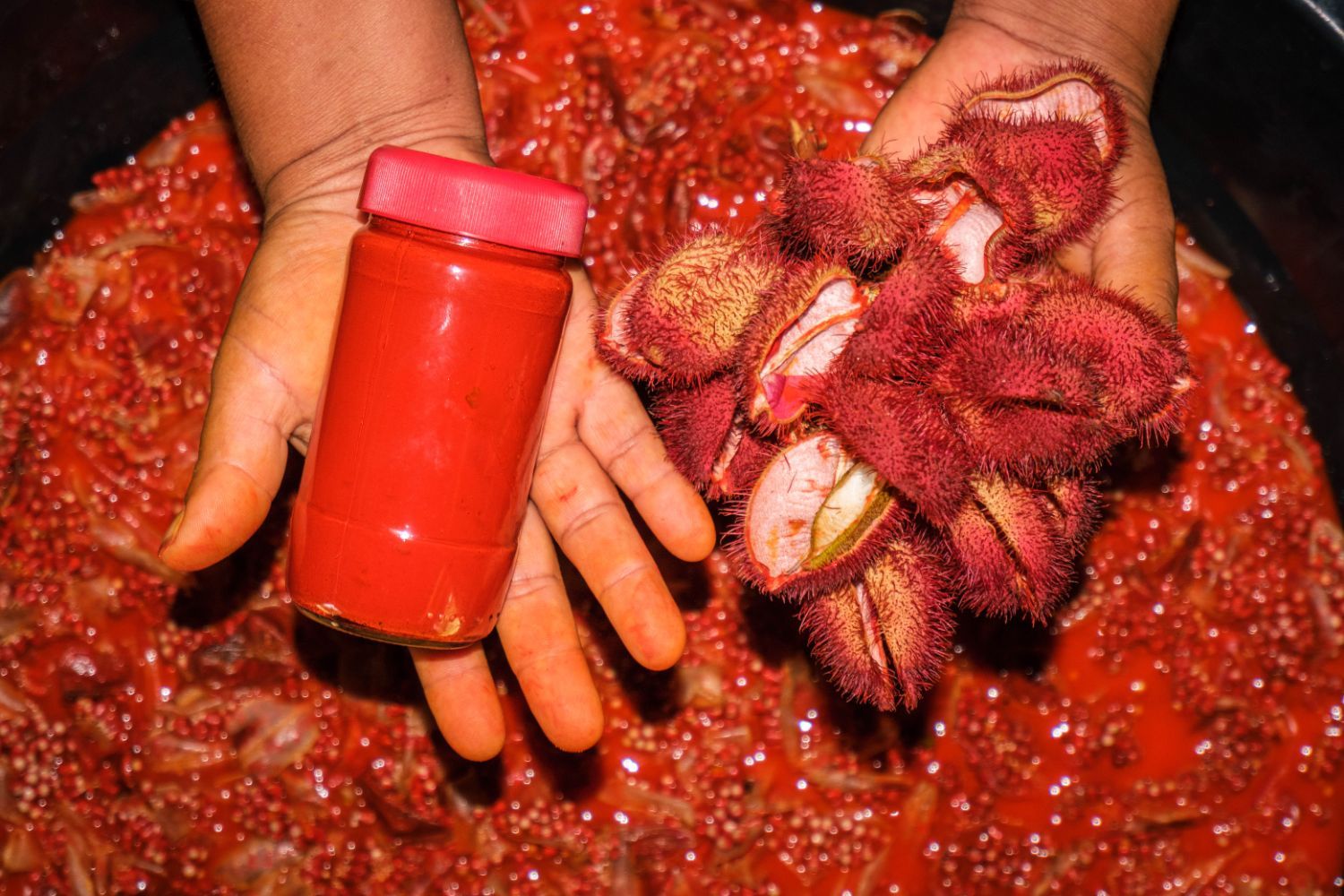 | For Maya Q’eqchi’ and Mopan communities of southern Belize's Toledo District, resisting land grabs and stewarding the commons are central to struggles to protect territory, heritage, and collective ways of being. This image shows annatto made from the achiote plant by Maya women for their families and to sell. (Photo by Roberto Kus) MOPAN: Kuxub’ hump’eel päk’aal ti xaab’hanal, walak ub’etb’el umenoo ixch’up ti’i hump’enahil waxan ti konol. Q’EQCHI’: Xayaw ki tyeeb’amank chiru li xayaw che’ xb’aaneb’ li ixq reheb’ lix junkab’lal ur re k’ay. |
| | | Un apartheid en el Caribe Simón Rodríguez En República Dominicana, las políticas hacia haitianos y dominicanos de ascendencia haitiana guardan ominosos paralelismos con el apartheid israelí contra el pueblo palestino. |
|
|
| | | | | 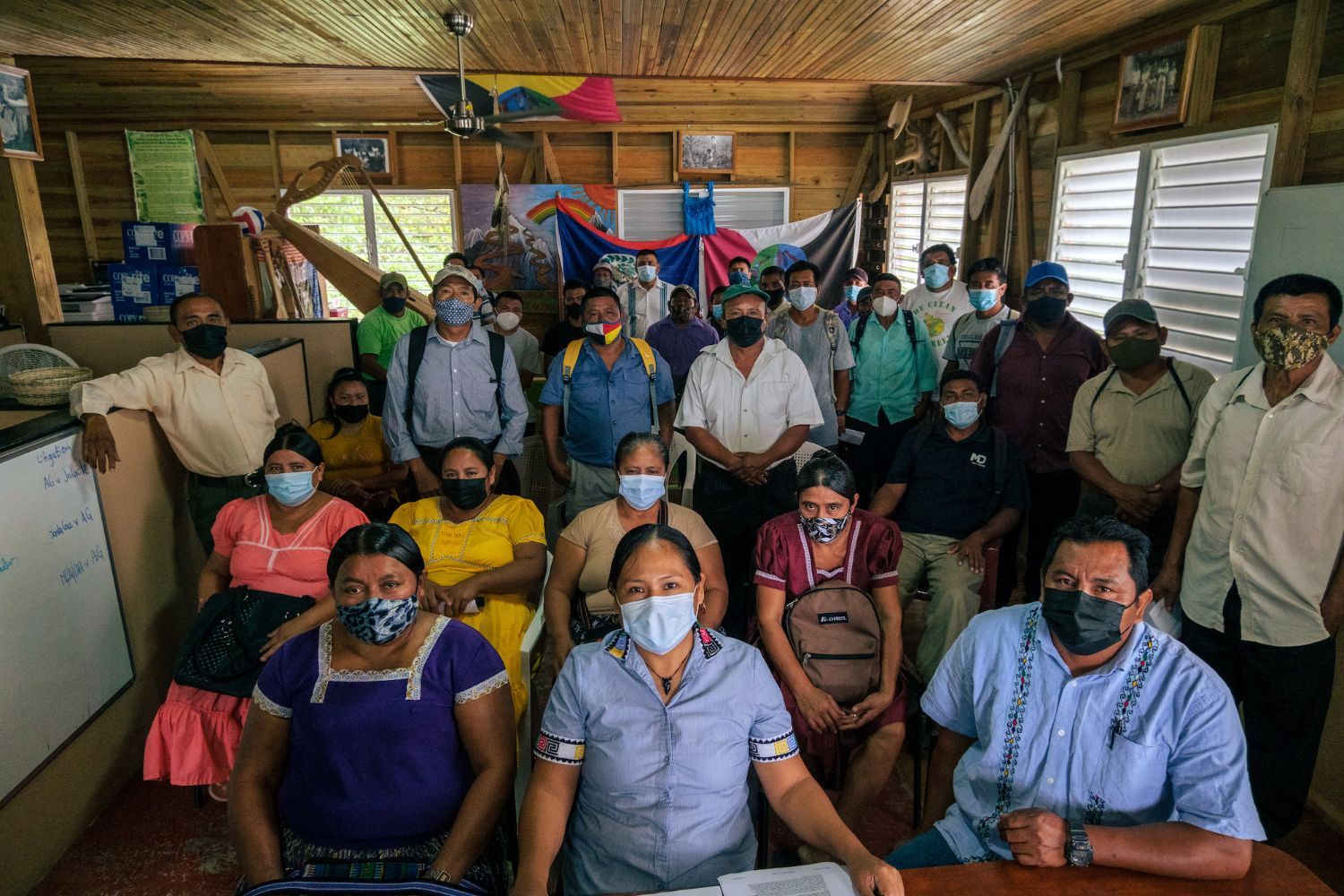 | In southern Belize, Maya Q’eqchi’ and Mopan alcaldes, elders, and women gather after the government of Belize unilaterally filed a free, prior, and informed consent protocol to the Caribbean Court of Justice. (Photo by Roberto Kus) MOPAN: Upolil Kah, Nooch’ Chihaan eteloo ixCh’up muuch’lahoo tumen tuhuunal ubeta utukul ah goberno ah Belize tupach FPIC Protocol ti’i ah CCJ. Q’EQCHI’: Eb’ li alcaalt, li chek’ ut eb’ li ixq xe’ xch’utub’eb’ rib’ sa’ xraqik xq’axtasinkil jun ch’ol chi chaq’rab’ re FPIC re li CCJ xb’aaneb’ li Government of Belize. |
| |
|
| | North American Congress on Latin America 53 Washington Sq South, Fl. 4W | New York, New York 10012 (212) 992-6965 | [email protected] |
| |
|
| |
|
|